When your dog gets injured, the first instinct that kicks in is to keep them as still as possible. This isn’t always easy, but it does make intuitive sense. Rest plays an important role in recovery for animals of all types, so it is an excellent starting point.
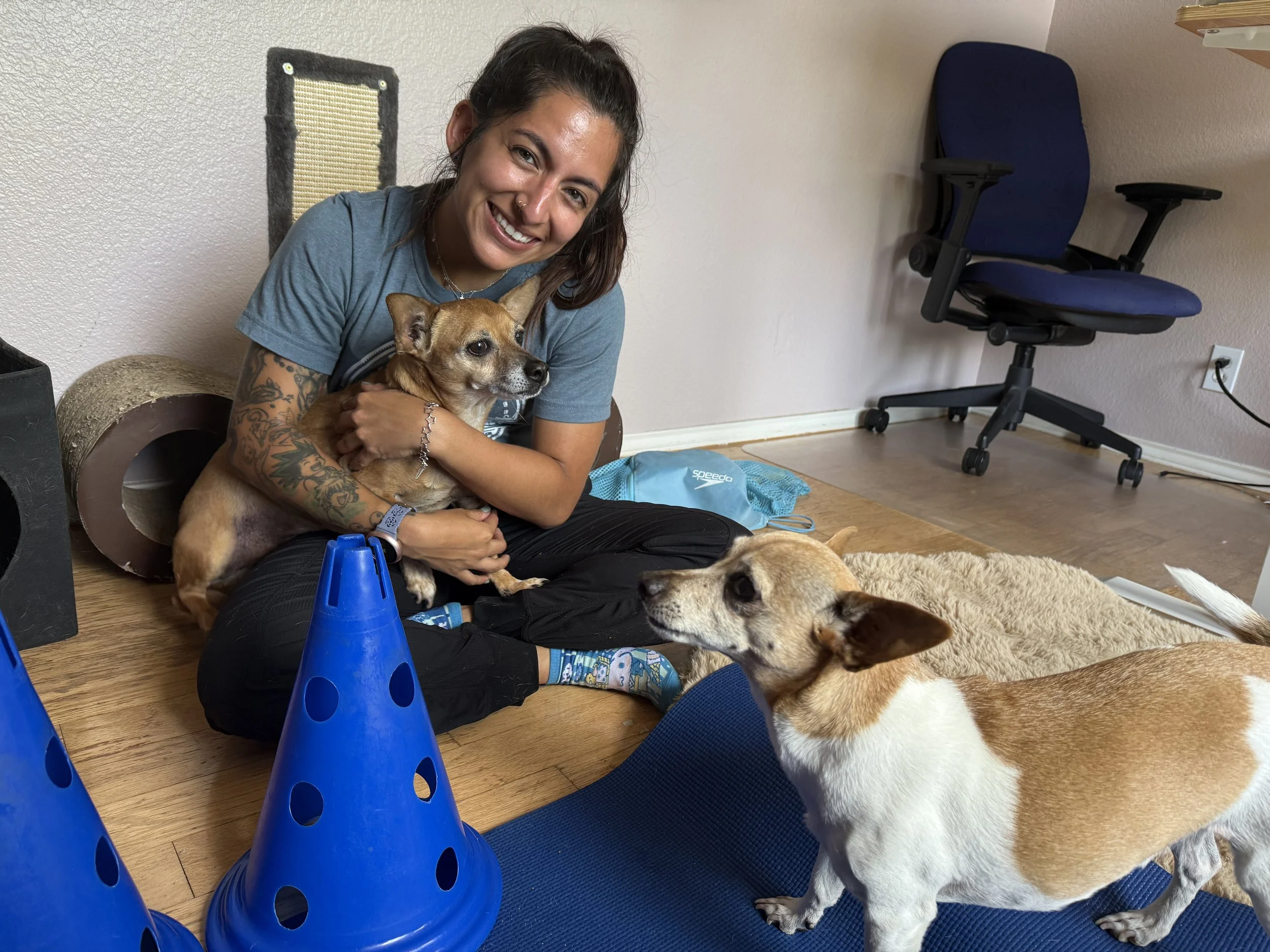
But that’s not the end of the story. Rehabilitation can also play a vital role in the overall recovery journey. When rest and rehab are blended together strategically, you can put your pet on track for a happy and healthy future.
What Happens When a Dog is Told to “Just Rest”?
The implications of having your dog rest as much as possible will change as the recovery process moves along. At first, rest is exactly what your dog needs. They will be less likely to get reinjured while resting, and inflammation will be able to calm down. [1]
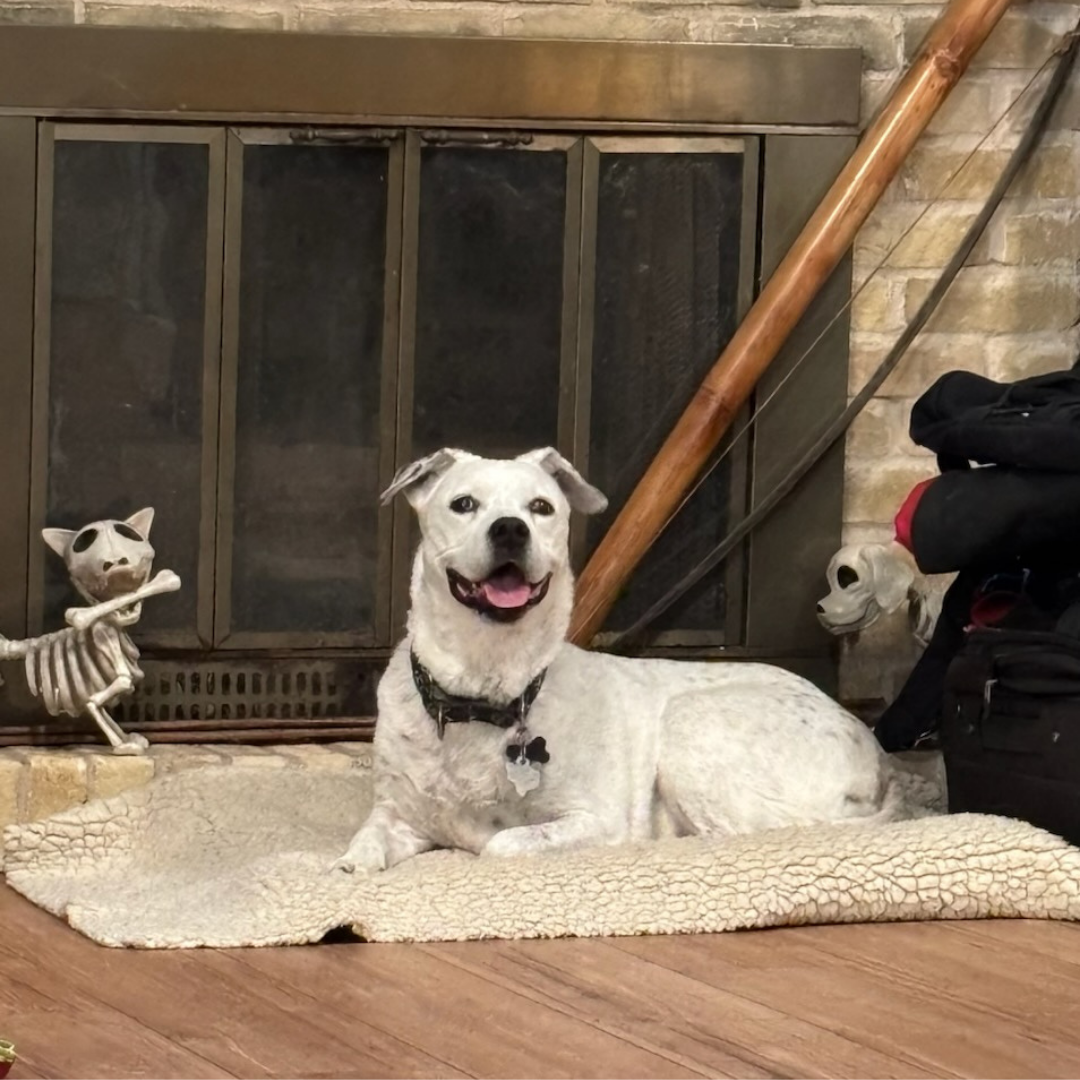
So, early on, rest is great. At some point, however, the story starts to turn, and rest can even be counterproductive. If your dog rests too much for too long, they will start to lose muscle and become stiffer. Muscles weaken and shrink relatively quickly when they aren’t used, and joints that don’t move get stiffer over time, which makes resuming regular activity more difficult.
Other outcomes of too much rest can include weight gain and a loss of overall balance and coordination. The key piece of this puzzle to understand is that while rest is good at the start, there comes a point where it is harmful, and your dog needs to get back into motion to fully recover.
Dog Injury Rehabilitation: What Is It?
Dog injury rehabilitation, which is also called canine rehabilitation, is a formal approach to helping dogs regain function after an injury (or surgery). The process is guided by a certified canine rehabilitation therapist. [2]
It’s important to understand that canine rehabilitation isn’t as simple as just forcing an injured dog to exercise. Instead, it’s a progressive, strategic, individualized program that is designed specifically to meet your dog’s needs, both now and into the future. Rehabilitation programs, like those designed by Austin Canine Rehab, typically focus on improving mobility, strength, flexibility, balance, and coordination.
Rest vs. Rehab: What’s the Difference?
Let’s break down the fundamental differences between rest and rehab with a simple chart:
| Rest | Rehabilitation | |
|---|---|---|
| Primary Action | Limits activity | Uses controlled activity |
| Primary Goal | Protects healing tissues | Helps restore function |
| Effect on Injury | Reduces stress on the injury | Gradually rebuilds strength |
| When It Matters Most | Often most important early in recovery | Can become increasingly important as healing progresses |
| Movement Approach | Prevents excessive movement | Encourages appropriate movement |
Different Methods Used in Canine Rehabilitation
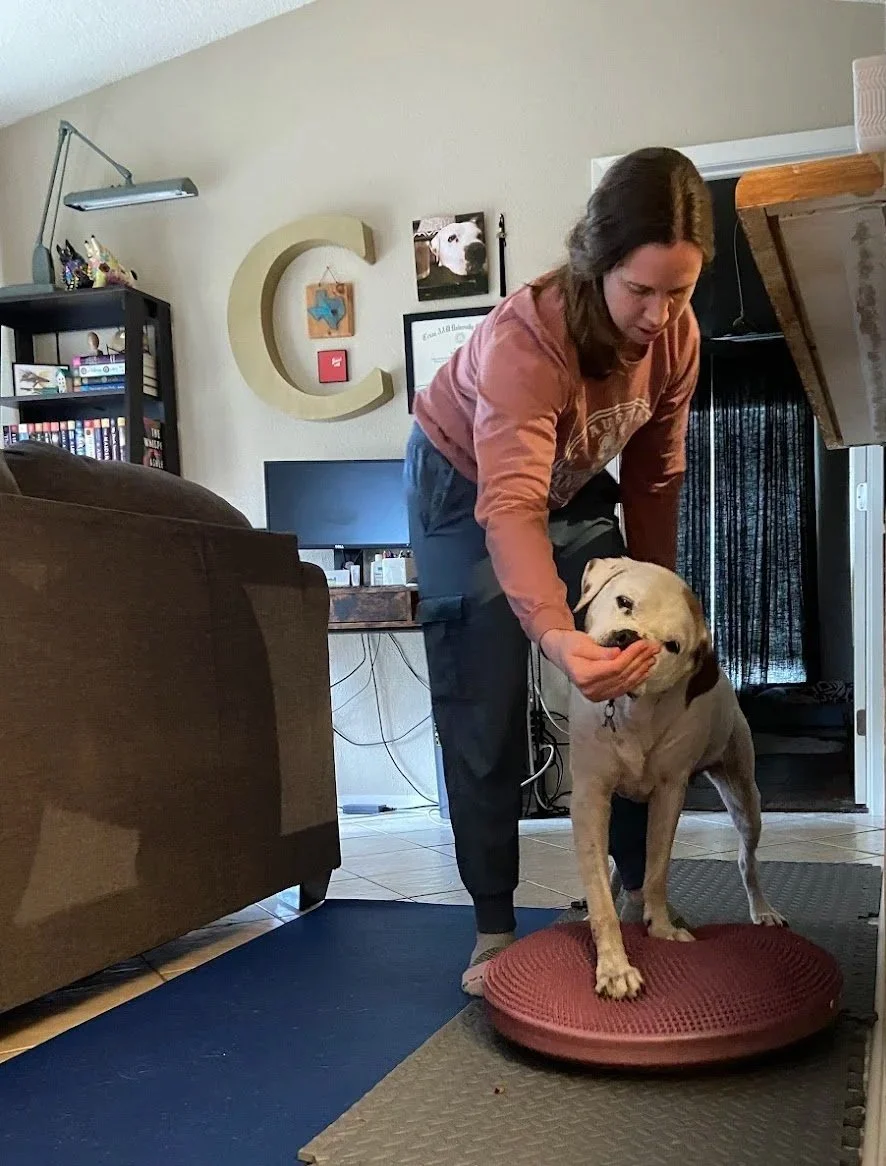
One of the key takeaways from this page should be that canine rehabilitation is not a one-size-fits-all process. It should be customized to your dog’s needs, using a variety of methods such as those listed below:
Therapeutic exercises
Controlled strengthening
Range-of-motion exercises
Balance and coordination work
Gait and movement exercises
Progressive return-to-activity plans
Environmental and activity modifications
Pulsed Electromagnetic Field Therapy, or PEMF
How Canine Rehabilitation Can Support a Dog’s Recovery
Your dog’s recovery likely needs to start with plenty of rest, but the real progress comes when targeted rehab work begins. Here’s a breakdown of how the long-term recovery of your pet will be supported by effective canine therapy.
Rebuilding Strength
One of the most consistent outcomes from injury and extended rest is muscle loss. Simply put, when a dog stops moving regularly, muscles start to atrophy. Many dog owners are surprised to find just how quickly their pet loses muscle while resting after an injury. Given that muscle loss is expected during this period, rebuilding that lost strength is one of the standard goals of the rehab process. Stronger muscles help guard against future injuries and help support joint stability.
Improving Mobility
Along with muscle loss, reduced joint mobility is another common outcome after injury. This issue tends to be a downward spiral, as stiff joints are less comfortable to move, so your dog moves them less, which leads to more stiffness. Canine rehab can break that cycle through careful range-of-motion work that will help to keep your dog’s joints functional without pushing them too hard.
Restoring Balance and Coordination
Dogs who have been in pain for an extended period often will develop altered movement patterns in order to protect a specific limb. This can include shifting their weight, shortening their stride on one side, or just moving in ways that feel more comfortable in the moment despite being harmful over the long run. Our rehab programs keep balance and coordination in mind and are designed to help your pet return to normal patterns as soon as possible.
Supporting a Return to Normal Activities
In the bigger picture, the goal of canine rehab is often to return a dog to normal activities. In other words, getting back to the life they had before. Whether that means just being able to walk around the block, or something more aggressive like a sporting dog returning to competition, we work toward that ultimate goal safely and steadily until it becomes a reality.
When Physical Rehab May Be Helpful for Dogs
There are plenty of different situations where physical rehab might be the right choice for your pet:
Recovery following orthopedic surgery like TPLO, CCL repair, or fracture repair[3]
Ligament or tendon injuries, including partial CCL tears
Muscle injuries such as strains or tears
Joint injuries
Neurological conditions like IVDD recovery and degenerative myelopathy
Mobility problems, including struggling to rise or use stairs
Recovery following a period of prolonged activity restriction
Older dogs facing mobility changes
Signs Your Dogs May Need More Than Rest
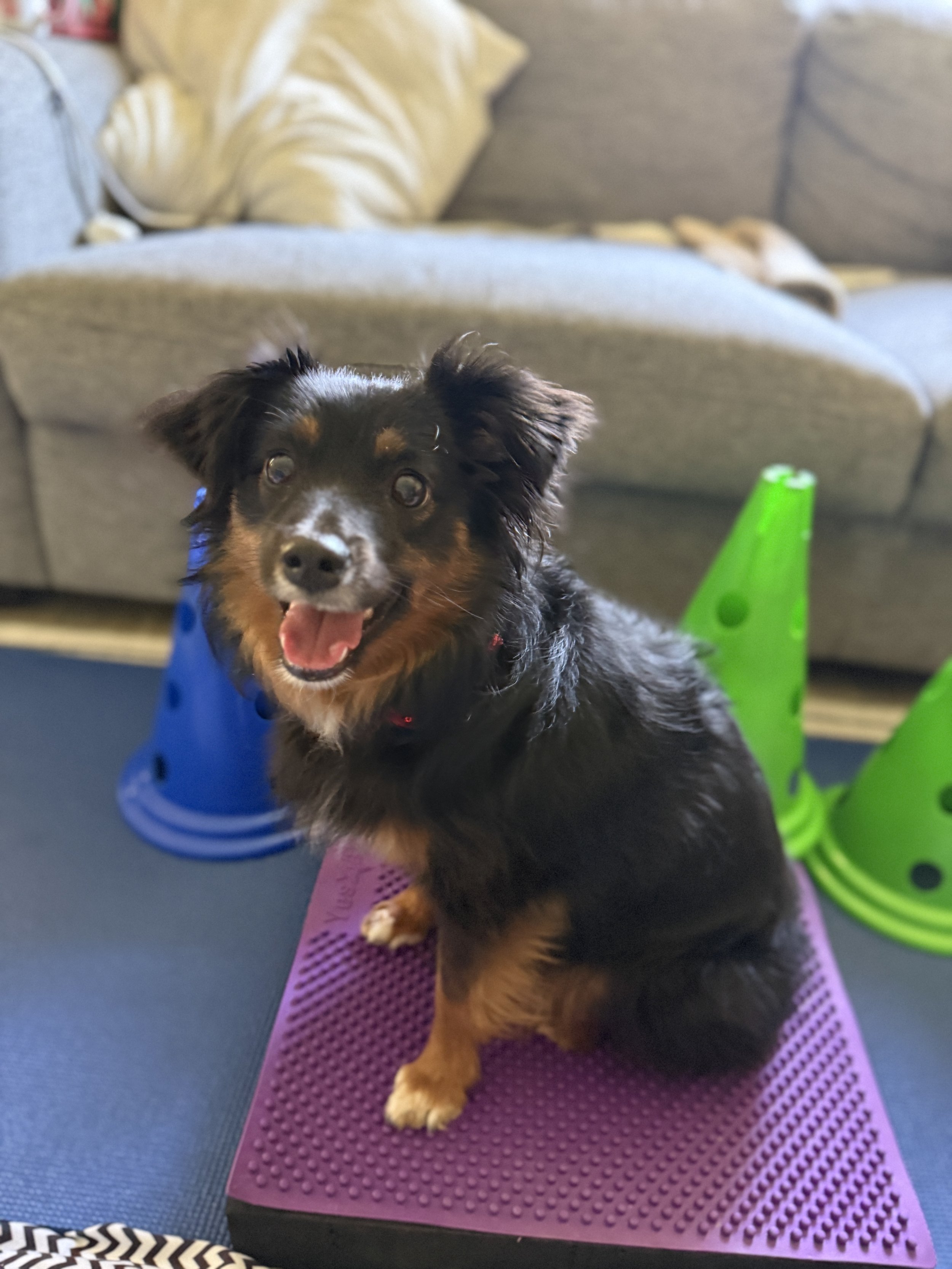
If you have allowed your dog to rest after an injury or other event, you may see that they are getting a little better. At the same time, you might also notice some indications that things aren’t quite right, and that their recovery may require more than some downtime. Watch for these signs:
Continued limping or favoring a limb
Difficulty getting up after lying down
Stiffness after rest that improved only briefly with movement
Visible muscle loss on one side
Difficulty with stairs that did not exist before
Reduced willingness to go on walks
Changes in gait, including shorter strides or asymmetrical movement
Difficulty maintaining balance
What to Expect from Dog Rehabilitation Services
Whether you are referred to rehabilitation by your vet or decide to explore it on your own, the first step is a comprehensive evaluation. This evaluation will be performed by a certified canine rehabilitation therapist who will review your dog’s medical history before performing a hands-on assessment of their condition.
With that evaluation completed, an individualized plan will be developed. The plan will take your goals into consideration and will utilize progressive exercises to build up strength and mobility gradually over time. There is typically a home exercise component to the plan so you can help your dog continue to get better between formal sessions.
How Long Does Canine Physical Rehabilitation Take?
There is no universal answer that applies to all dogs. Far too many variables come into play to provide a specific timeline, including the type and severity of the injury, whether surgery was involved, your dog’s age, existing health factors, and more. Also, how consistently the rehab plan is followed, including home exercises, has a lot to do with the outcome. Often, post-surgical programs will run from twelve to sixteen weeks, but that’s just a general guideline rather than a rule.
Can Dogs Return to Normal Activity After Rehabilitation?
In many cases, yes.[4] That outcome is not guaranteed, but it is what we work toward by providing consistent, progressive rehab that moves your dog in the right direction. Progress is often seen after just a few weeks, and given enough time and consistency with the rehab plan, it’s entirely possible that your dog will get back to their normal activities at some point in the near future.
Rest and Rehabilitation Can Work Together
The takeaway from this article should not be that rest is bad. Far from it. Rest is an essential part of healing, and especially in the early days after an injury or surgery, your dog needs to get plenty of rest. As time passes, augmenting that rest with a carefully planned rehabilitation program will help your dog rebuild the strength, mobility, balance, and confidence of movement they need to get back to life as usual.
At Austin Canine Rehab, we offer personalized rehab plans that help dogs of all ages overcome their injuries and feel like themselves once again. Whether you are ready to schedule a rehab appointment or you just want to talk to someone about the possibility, we are here to help.
Frequently Asked Questions
-
Rest is an important part of the early recovery process. When your dog rests, inflammation is reduced, and the chances of reinjury are limited. However, rest alone isn’t going to rebuild the strength, flexibility, and balance that injury may have disrupted. Often, a period of rest that is followed by structured canine rehabilitation will be the right combination of tactics.
-
The right timing for rehab is going to depend on a number of factors. Specifically, the severity of the injury needs to be considered, along with whether or not surgery was involved. Working closely with your vet will make it possible to begin canine rehab at just the right time.
-
The starting point for rehab is a detailed evaluation of your dog’s overall condition, including their strength, movement patterns, and range of motion. With that information, an individualized plan can be developed that will likely include elements such as therapeutic exercises, controlled strengthening, gait work, and a home exercise plan.
-
In most cases, yes. Rehab is a standard part of the recovery process after surgery, and research has shown that providing dogs with rehab after orthopedic procedures leads to improved outcomes. Your vet may recommend rehab as an effective way to rebuild muscle strength and range of motion.
-
Watch your dog’s condition in the days and weeks following an injury. If they continue limping longer than expected, or have difficulty rising from a rested position, you might need to do more than just allow them to rest. Start the process by having a chat with your vet about what you have noticed and take it from there.