Why Do Some Senior Dogs Decline More Quickly Than Others?
It is difficult to watch your senior dog slow down. Most of the time, it starts slowly at first. Gradually, you will notice that the dog has less energy, a little more trouble getting up, and wants to take shorter walks. While aging happens for every dog, of course, the pace of that decline does not proceed the same way for all individuals.
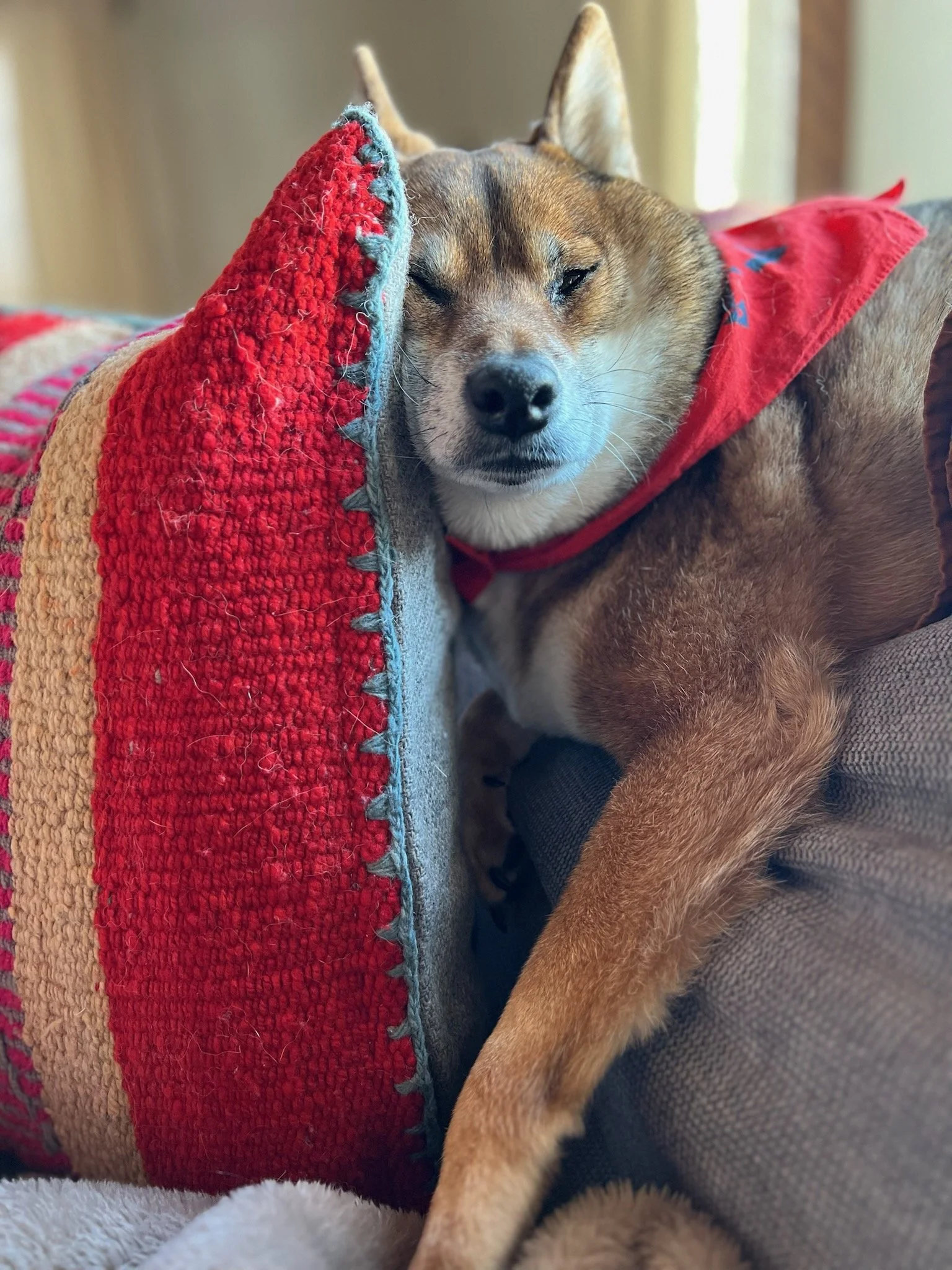
Aging is complicated, and many factors play into how quickly your dog will decline. Factors like muscle mass, joint health, hidden pain, and metabolic changes all work together, along with other variables.
Fortunately, you can influence this rate of decline through some of the choices you make for your dog over the months and years to come.
Is It Normal for Senior Dogs to Be Losing Weight and Muscle?
Yes, it’s common for senior dogs to gradually lose muscle over time. However, you shouldn’t ignore rapid changes in muscle mass, as quick changes could point to a more serious health condition.
Technically speaking, there are two processes that lead to muscle mass loss in aging dogs. One is sarcopenia, which is the natural loss of muscle mass related to age.[1] This is to be expected, as the body simply becomes less efficient at maintaining muscle over time. When muscle loss is related to sarcopenia, it will typically be gradual and mild, rather than a sudden, precipitous drop.
More dramatic muscle loss is commonly related to the other process that can be in play here, known as cachexia. In this case, it is an underlying medical condition that causes muscle wasting, and you might notice that your dog loses muscle mass in a surprisingly short amount of time.
It’s important for dog owners to work with their vet right away when dramatic muscle loss occurs to hopefully get to the bottom of the problem and provide the right treatment.
How Do Chronic Conditions Impact the Rate of Decline in an Older Dog?
If your dog has a chronic condition, it’s likely that they will decline faster than other dogs who aren’t dealing with an ongoing health challenge. Osteoarthritis is the perfect example of this concept. Arthritis is a progressive condition, and as such, it is going to get worse over time and continue to cause your dog discomfort and pain.

In much the same way, other chronic medical problems can contribute to overall health decline. These can include heart disease, kidney disease, and endocrine issues. You may also notice that cognitive decline is a factor, with your dog starting to be confused in familiar situations, displaying unusual behavior, or just not engaging as usual.[2]
Why is Movement Essential for a Senior Dog Facing Mobility Issues?
For senior dogs, movement is very much a “move it or lose it” type of proposition. Unfortunately, it’s common for dogs to move less as they get older.[3] If your dog is going to maintain the ability to move comfortably for as long as possible into the future, he or she needs to keep moving on a daily basis.
Of course, this feels counterintuitive at first, especially when your dog appears to be stiff or sore. But muscles that aren’t used are soon lost. You need to help your dog experience regular muscle activation in order to maintain strength and keep joints lubricated and functional. As activity levels drop, muscle stiffness increases and mobility declines even faster.
Can Canine Rehabilitation Slow Down the Process When Dogs Decline?
The simple answer here is yes. Using canine rehabilitation can slow down your dog’s decline and improve their quality of life for some time to come. When you work with professionals such as those at Austin Canine Rehab, your dog will be evaluated comprehensively. Their gait will be analyzed, joint mobility will be checked, muscle balance will be observed, and more. By getting to know your dog on an individual level, it will be possible to craft a customized treatment plan that targets your pet’s specific needs. In the end, that may mean using tactics like targeted strengthening, manual therapy, and other methods to improve function, reduce pain, and slow down the aging decline.
What Can Owners Do at Home to Support a Senior Dog?
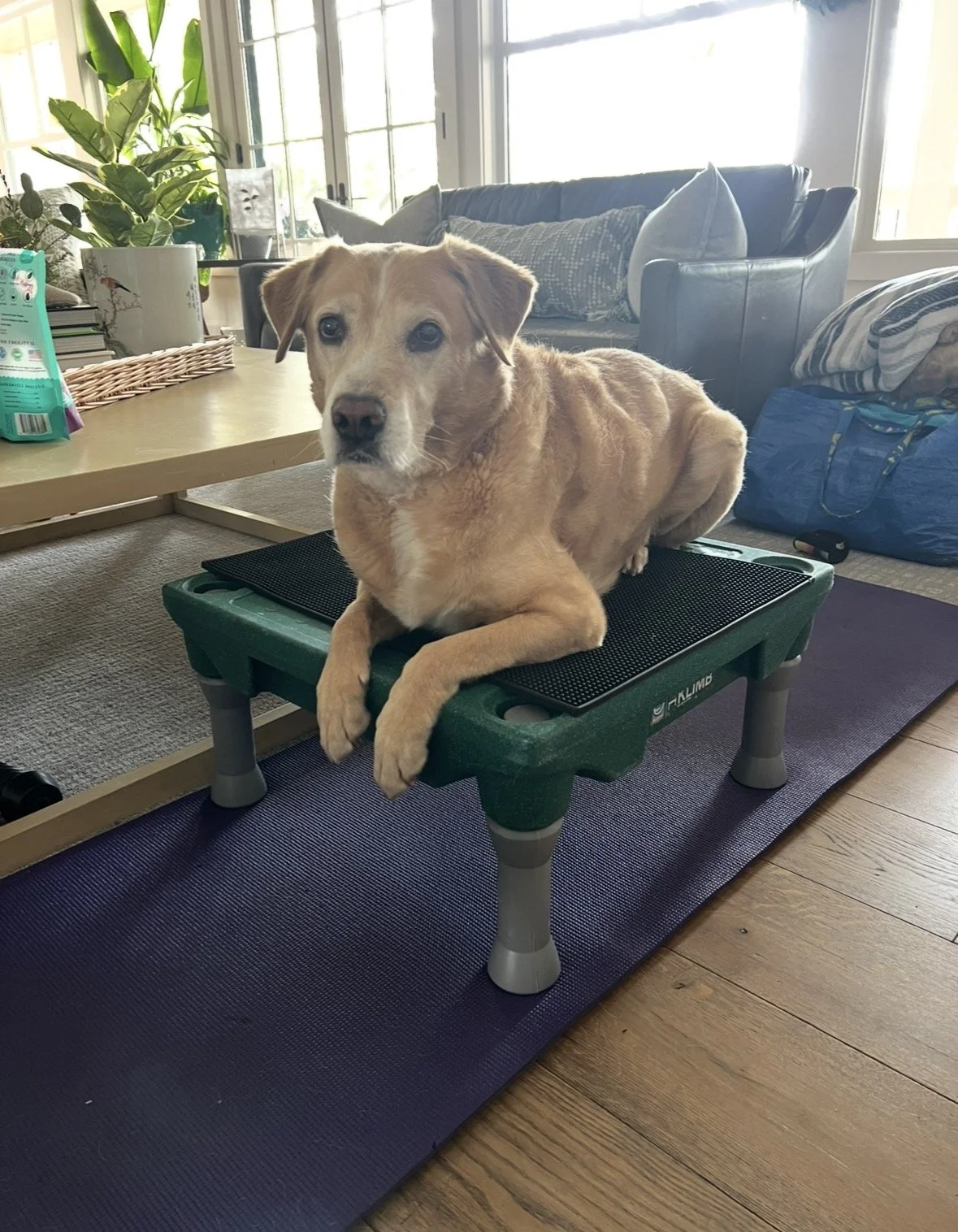
There are several steps you can take to care for your senior dog and provide them with the best possible quality of life.
Here are a few key points to keep in mind –
Change the environment.
Making changes to reduce strain doesn’t have to be difficult. You can add rugs to hard floors for better traction, use ramps so your dog can avoid stairs, and improve lighting in dark areas.
Watch for signs of pain.
Take note of things that point to your dog being in pain, such as slower movement or stiffness, changes in posture, and reduced interest in walks or play.
Adjust your mindset.
You can’t “fix” everything about your senior dog’s health. The goal is to optimize their quality of life, which may mean accepting that some of the things you used to do will no longer be a good fit.
Ready to explore canine rehabilitation services to help your senior dog? The team at Austin Canine Rehab is here to help. Reach out now to learn more.
Frequently Asked Questions
-
A number of signs of decline are possible, including reduced energy, slower movement, difficulty standing, and changes in behavior. Also, you might notice that your dog is no longer showing interest in some of their normal activities.
-
In general, larger breeds tend to age faster than smaller breeds. This can occur due to the differences in metabolism, growth patterns, and joint stress between larger and smaller dogs.
-
Most of the time, no, you can start rehab for your senior dog at almost any time. Older dogs can benefit from targeted exercises and supportive care to improve their comfort and mobility.
-
Excess weight puts additional strain on the dog’s joints and organs. At the same time, being underweight can indicate underlying health issues. Helping your dog remain at a healthy weight will promote longevity and overall quality of life.
-
Yes, using PEMF can help cut down on inflammation and discomfort. This can make movement easier and keep some dogs more comfortable day after day.