Whether your dog has been referred for canine rehab or you are just researching options on your own, the landscape can be a bit confusing. Not all providers have the same credentials, so it’s hard to know what you should be looking for. With something as important as your dog’s health on the line, how can you know who to trust?
This post will help sort things out. We’ll explain how backgrounds can vary in this field, what a CCRT is, and what you should be trying to find. Give us a few minutes and everything will soon make a lot more sense.
What is a Certified Canine Rehabilitation Therapist (CCRT)?
A Certified Canine Rehabilitation Therapist is a licensed professional who has completed advanced, post-professional training in canine rehabilitation. [1]
As a starting point, an individual must already hold a professional license. There are two options:
A Doctor of Physical Therapy
A Doctor of Veterinary Medicine
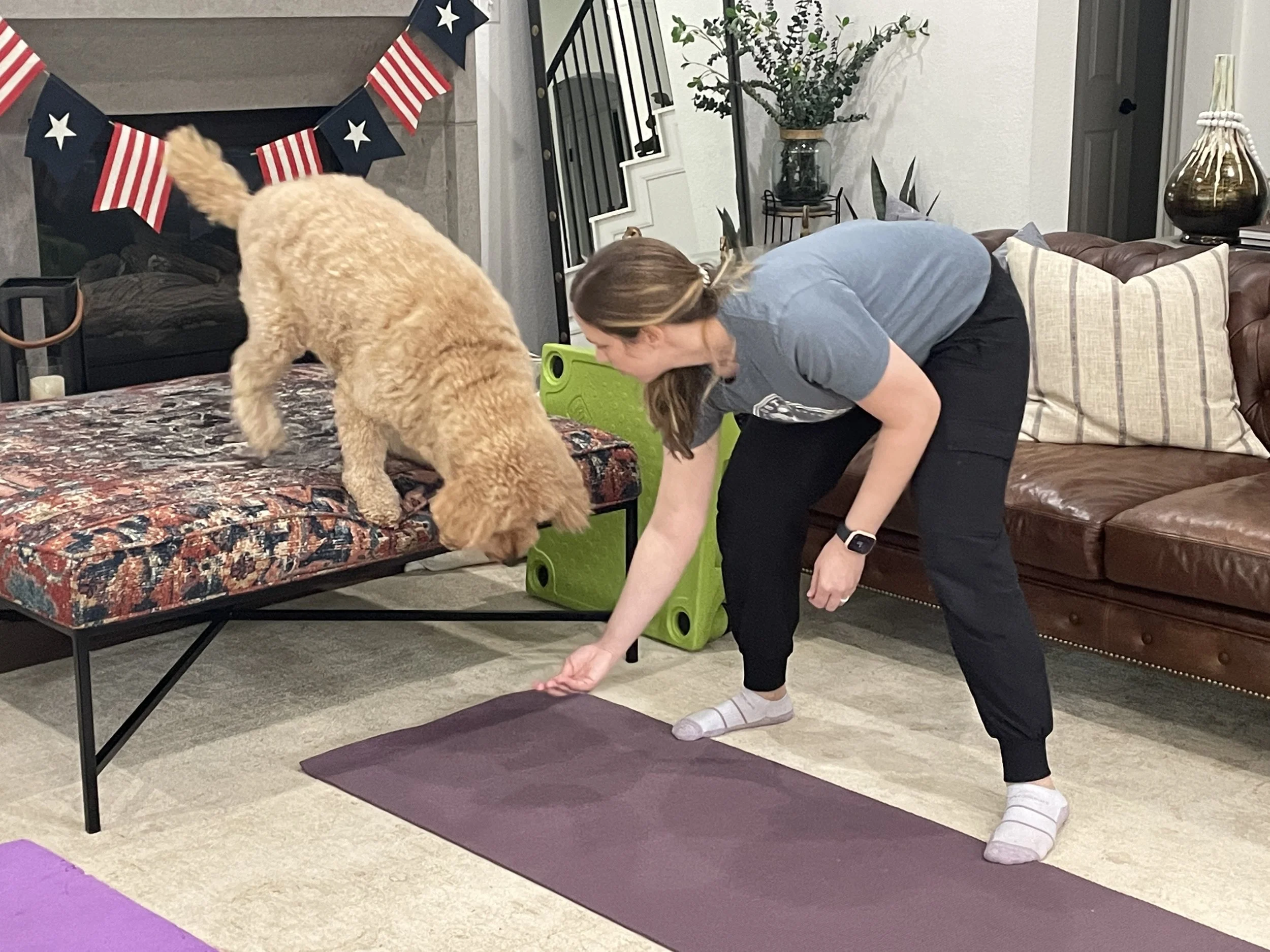
With one of those two professional licenses in place, an individual can start extensive hands-on coursework and case-based learning that focuses on canine anatomy, biomechanics, neurology, and rehab strategies for canines.
This is far from an entry-level certificate. It’s training that builds on existing knowledge and enables the professional to provide care to dogs for things like arthritis, mobility loss, surgical recovery, issues related to aging, and more.
Different Canine Rehab Backgrounds & Training Paths
As outlined above, there are two general paths to becoming a CCRT. Knowing that, as a pet owner, you can be intentional about working with a CCRT whose background and training best align with the needs of your dog.
Physical Therapy-Based CCRT
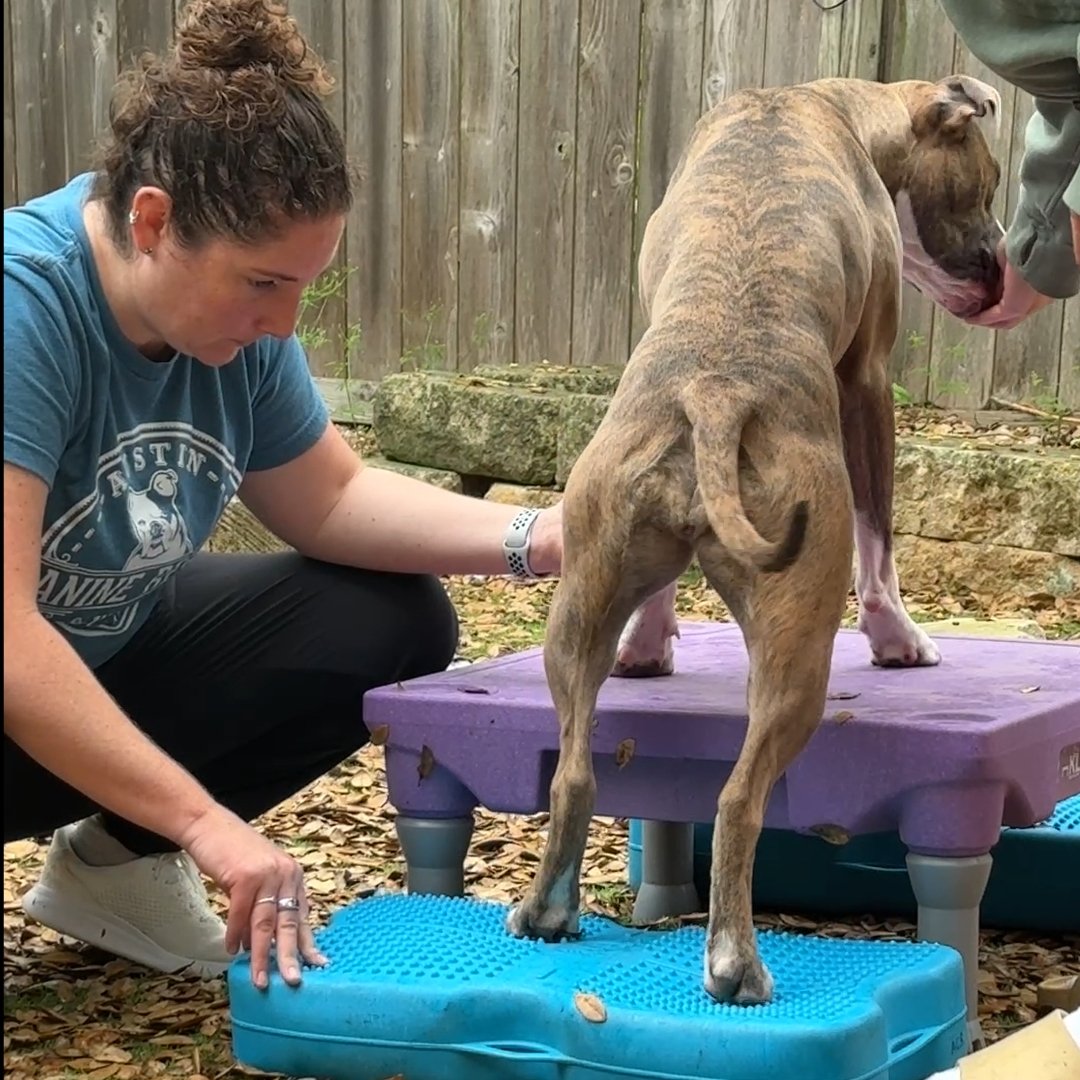
Professionals who come from a background in physical therapy have experienced intensive training in human movement science, biomechanics, and neuromuscular systems.
In general, that means that these CCRTs are able to offer things like gait analysis, movement dysfunction, orthopedic testing, manual therapy, and exercise design.
Veterinary-Based Rehab Practitioners
For vets who complete the necessary training to be a CCRT, their background gives them other strengths that can be extremely valuable. As you might expect, this training profile helps with medical diagnostics and imaging interpretation, understanding medication interactions, and handling complex medical and rehab cases effectively. [2]
Rehab-Trained Support Staff
We should also stop to mention the important role that support staff can play in caring for your dog. These individuals, such as vet techs, are not CCRTs, but they can be important to the treatment process. They are skilled at helping dogs feel safe, building relationships with those dogs, and supporting the activities completed during a session.
Why Background Matters for Certain Dogs
Canine rehabilitation cases are not always simple. In fact, they are commonly complicated by things like neurologic conditions or compensatory movement patterns. Because there can be so many variables at play, it’s important to work with a professional who has a relevant history to the realities your dog is facing.
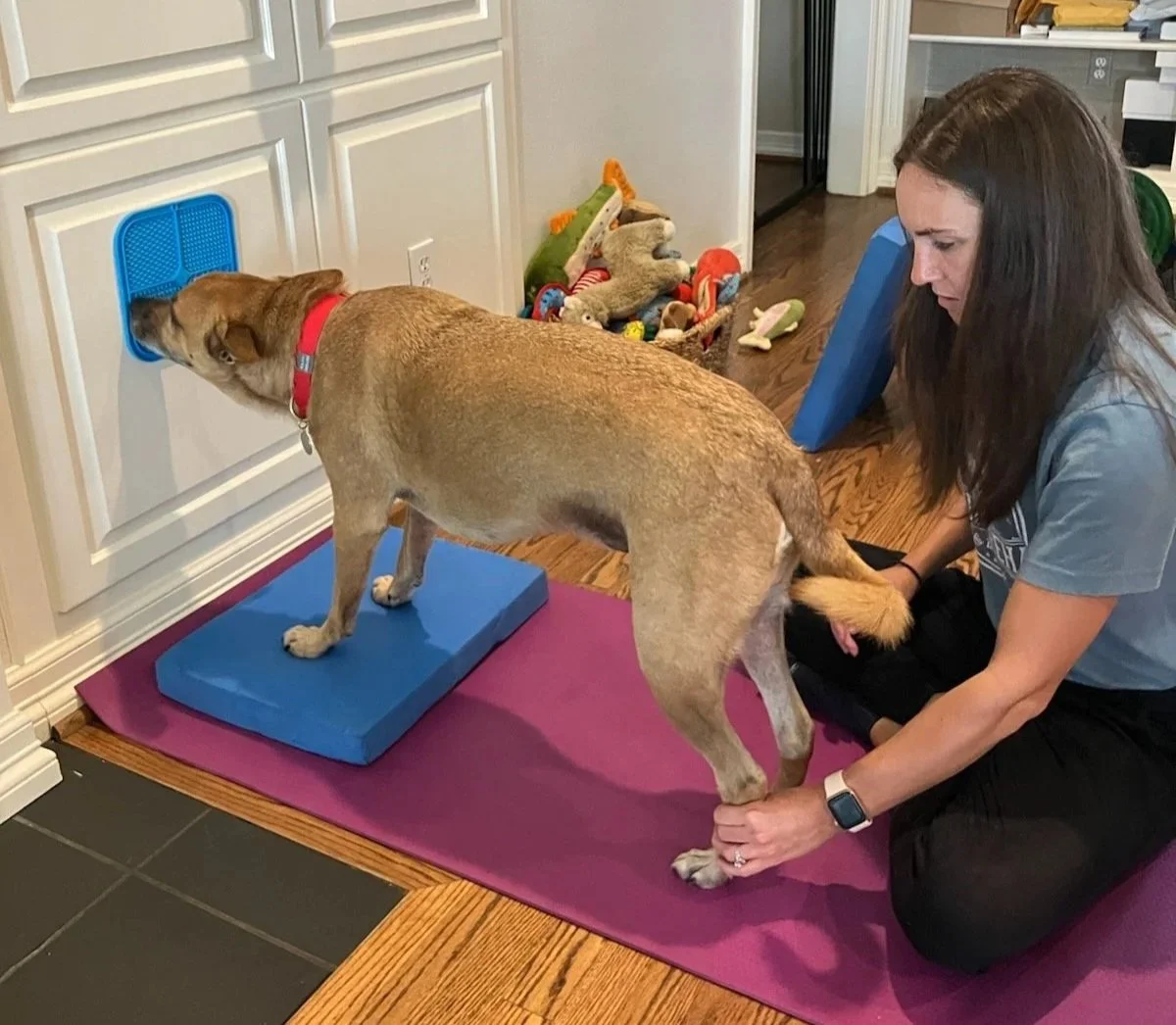
For example, working with a CCRT with a background in physical therapy may be best when your dog has altered movement patterns that need to be corrected strategically.
Canine Rehab for CCL Injuries: Timing & Necessity
Cruciate ligament injuries are all too common in dogs. We regularly see dogs who have injured a CCL, either as part of their post-surgical recovery, or as part of non-surgical management. Proper rehab through a program that is designed by an experienced CCRT can help restore muscle strength, protect healing, and reduce the risk of injuring the other leg.
Why Hands-On Assessment Matters More Than Imaging Alone
There is no doubting the value of imaging when caring for a dog (or a human). Being able to see clearly what is happening inside the body offers the provider important information that will guide treatment decisions. With that said, the role of hands-on assessment by a CCRT should not be discounted. Evaluating things like joint mobility, muscle tone, balance, and pain response through a hands-on evaluation will tell the provider things that can’t be seen on even the best of images. [3]
How to Choose the Right Canine Rehab Provider
Starting by looking at the credentials held by any prospective rehab provider is a good plan. Do they hold a CCRT credential or an equivalent rehab certification? [4] That designation offers you assurance that the provider is properly trained and will be able to do what’s best for your dog, whether they come from a physical therapy or vet background.
Also, be sure to ask who is going to be providing the actual care during treatment sessions. Will it all be designated to uncertified staff or rehab trained support staff or performed by the CCRT themselves? And will the treatment plan be customized to your pet? Asking those two key questions, along with checking on credentials, will help you make an informed choice.
Advocating for Your Dog

The key to this whole process is simply finding what your dog needs. It’s not about finding the “best” provider, whatever that may mean. You just want a rehab provider who will be able to address your dog’s health issues so better days can be right around the corner.
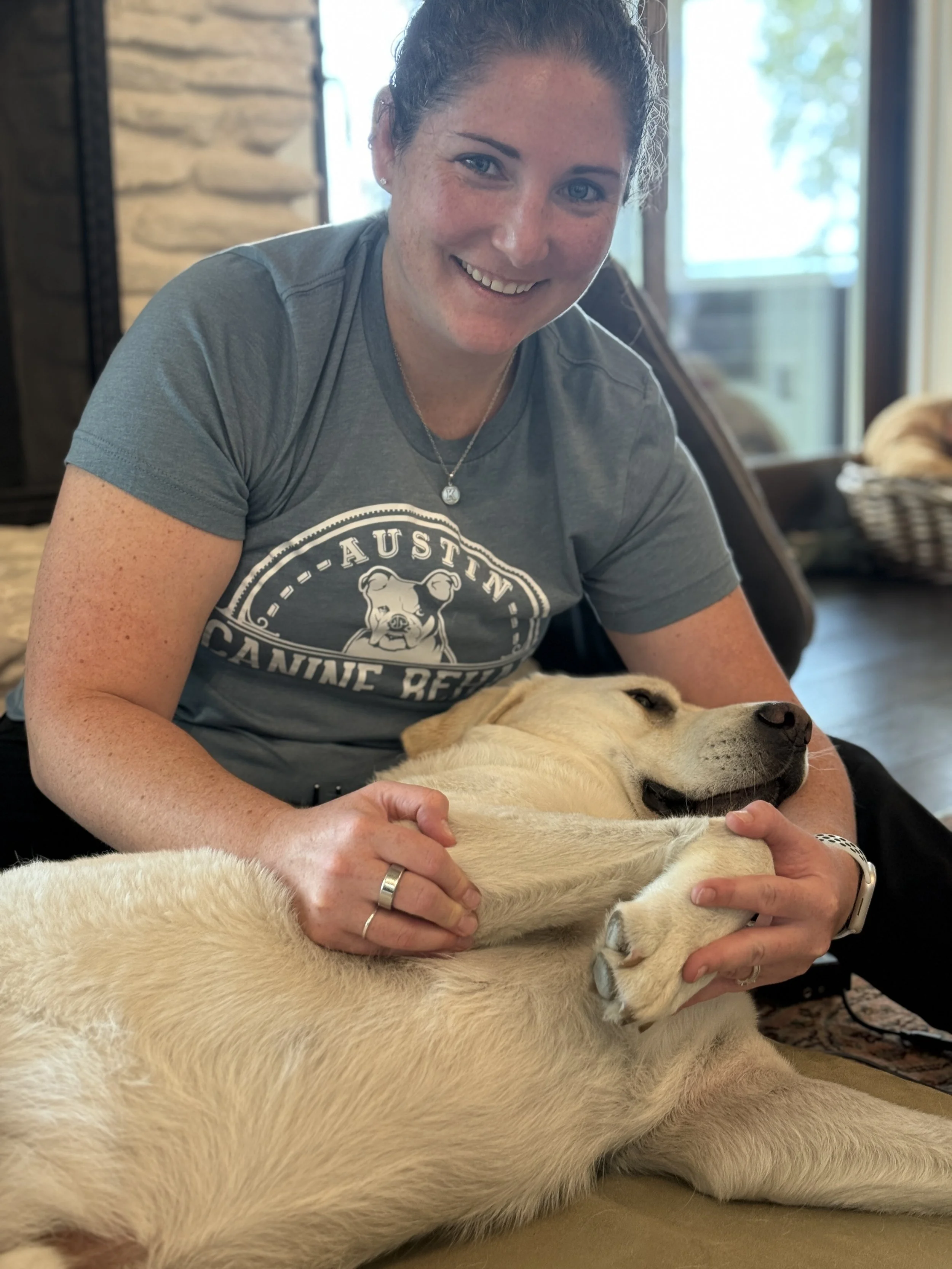
If what your dog needs aligns with what we offer at Austin Canine Rehab, we’d love to chat. Our team provides hands-on assessment and individualized, movement-based care for dogs recovering from injuries, senior dogs, and more. Take a moment to reach out now and learn more.
Frequently Asked Questions
-
CCRT stands for Certified Canine Rehabilitation Therapist. This is an advanced certification that is earned by professionals such as veterinarians or physical therapists.
-
No, not necessarily. It is possible for a veterinarian to also be a CCRT, but that is only if the vet has gone through additional professional training in canine rehabilitation. A physical therapist who is a CCRT does not practice veterinary medicine and should not be confused with a veterinarian.
-
No. There are various training paths available for canine rehab providers. A CCRT designation signifies that a provider has been through an advanced rehab training program.
-
Certain conditions require detailed movement analysis and ongoing clinical adjustments. Working with a provider that holds advanced credentials allows for more accurate, individualized care.
-
If you choose a PT-based CCRT, you’ll be working with someone who holds expertise in areas like biomechanics, gait analysis, neuromuscular training, and progressive strengthening.
-
If your dog has a neurologic condition, or has developed compensatory movement patterns, choosing a PT-based CCRT could be particularly helpful.