If your dog has recently been prescribed gabapentin, you certainly aren’t alone. This is the story for countless dog owners across the country, as this is one of the most popular veterinary medicines today. It is prescribed for a wide range of conditions and can be effective at helping to manage pain when used correctly.
Of course, as a dog owner, you surely want to know exactly what your pet is taking and why. On this page, we’ll break down the basics of this medication so you can have a clear picture of what it does and doesn’t do.
What is Gabapentin for Dogs?
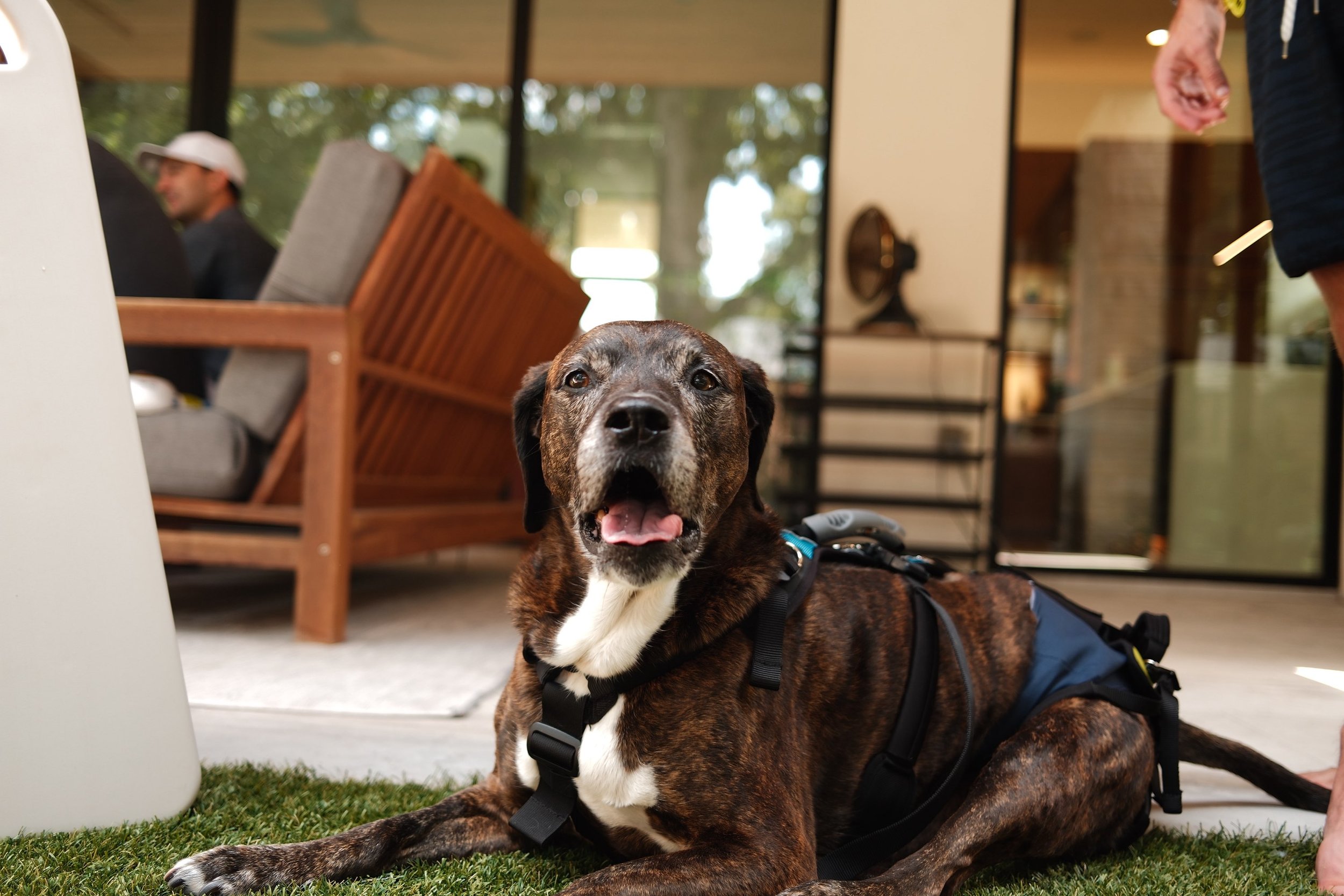
Gabapentin is a medication that was originally developed to address nerve-related conditions in humans. Gradually, it began to be approved for use as a veterinary medication.
Despite the fact that it wasn’t originally intended for dogs, it is now commonly prescribed by vets. The drug is able to deliver results by altering how nerves transmit certain types of pain signals to the brain.[1]
Why Do Vets Prescribe Gabapentin So Often?
There are a few reasons that gabapentin is so popular among veterinarians who are treating dogs experiencing pain:
The drug has a relatively low risk profile
It’s a good alternative for dogs who don’t tolerate NSAIDs well
Gabapentin is a reliable solution for short-term pain relief after surgery
Particularly effective when the pain is nerve-related
Gabapentin for Nerve Pain vs. Arthritis Pain
If your dog has arthritis, you may be surprised to learn that your vet has prescribed gabapentin. After all, this drug is known for being able to help with nerve-related pain, and arthritis is a condition of the joints. So, why is it such a popular choice in these situations? The answer can be found in what is known as secondary nerve sensitivity.

When a dog experiences chronic joint inflammation, the nerves in the surrounding area can become irritated. So, while gabapentin won’t be addressing the arthritis directly, it can help by turning down the pain signals that are coming from those impacted nerves.[2] It’s unlikely that gabapentin will be the only treatment needed, but it can play a role in the overall care plan.
Common Conditions Gabapentin is Used For in Dogs
There are a number of conditions that can be addressed, at least in part, through the use of gabapentin. It may be prescribed for any type of nerve pain or compression that is affecting your pet. The drug is often used in cases of IVDD and other spinal conditions. Also, post-surgical discomfort can be improved with gabapentin, so it’s likely you’ll receive a prescription as your dog recovers from an operation. Some vets will also prescribe gabapentin as a way of dealing with chronic pain in senior dogs.
Potential Side Effects of Gabapentin in Dogs
Part of the popularity of gabapentin is the fact that most dogs tolerate it quite well. Side effects are usually minimal and mild, making it an easy choice for vets to present to dog owners.
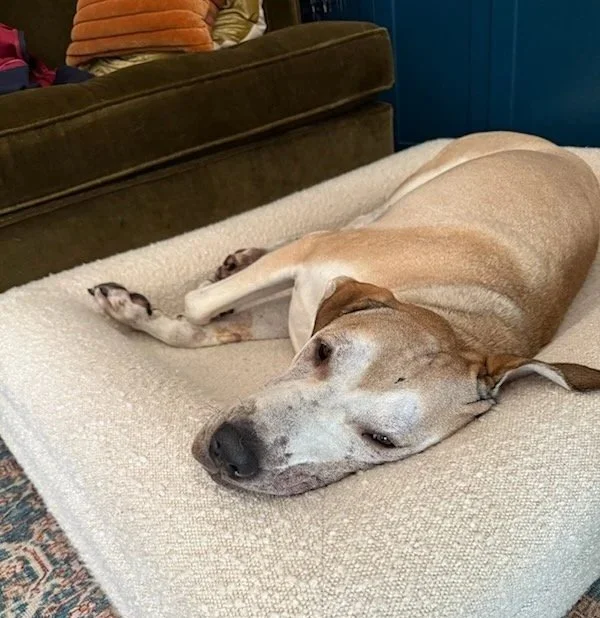
With that said, there is also the chance of side effects with any medication, and this is no exception. Some of the common issues that are reported include mild sedation or sleepiness, temporary coordination changes, and a slight wobbliness when first getting up to walk.[3] If you notice any of these effects, speak with your vet about the situation right away.
Is Gabapentin Safe for Dogs
All in all, gabapentin is considered a very safe medication for dogs. Of course, that safety is predicated on the use of the drug being prescribed and monitored by a veterinarian. Accurate dosing is crucial and depends on things like body weight, kidney function, overall health, and any concurrent medications. If you are going to give your dog gabapentin, only do so under the direction of a vet and be sure to follow the dosing instructions properly.
Supporting Dogs on Gabapentin Beyond Medication
There are certainly plenty of uses for gabapentin, but that doesn’t mean it is going to solve all of the problems your dog may be facing. It should be viewed as a tool rather than a cure-all.
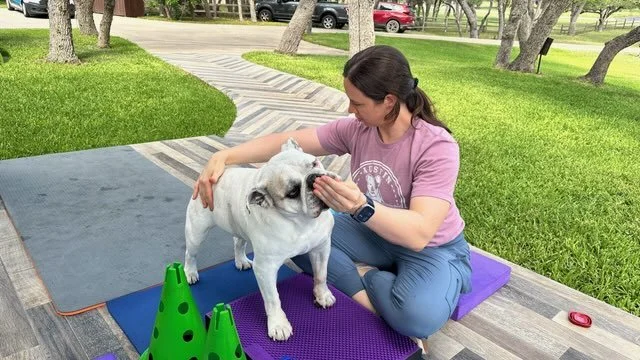
If your dog is taking gabapentin to deal with nerve pain or chronic mobility issues, rehab therapy may also be helpful. Going through guided strength-building exercises, balance and coordination work, hands-on manual therapy, and other treatments can make a world of difference. The blend of an appropriate medication and the right rehab therapy could put your pet on a path toward a brighter future of improved health.
Reach Out to Learn More
Are you interested in providing your dog with hands-on care to work toward improved balance, coordination, and confidence? Austin Canine Rehab would love to help. Reach out today to talk about the situation your pet is facing and learn more about how our team may be able to assist. We look forward to your call!
Frequently Asked Questions
-
Gabapentin is used to manage various types of pain. Those uses include dealing with post-surgical pain, spinal discomfort, nerve-related pain, and certain chronic conditions.
-
This medication is generally considered safe when prescribed and monitored by a veterinarian.
-
Gabapentin is not a direct treatment for arthritis, but it may be able to help relieve nerve discomfort that is associated with chronic joint disease.
-
The popularity of this medication has to do with its low risk profile, its ability to deal with nerve-related conditions, and how it plays nicely with other treatments.
-
Side effects are minimal with this drug, but they can include mild sedation and temporary changes in your dog’s coordination.
-
Some dogs take this drug over the long term, but that should only be done under the supervision of a veterinarian.
-
This medication is not necessarily a replacement for other pain medications, as it is a component of a larger treatment plan.
-
If you are worried about your dog’s reaction to this or any other medication, contact your veterinarian right away.
-
Yes, rehab and exercise are often helpful for dogs taking this medication. Physical activity can help build strength and balance, and maintain mobility.