It’s hard to see your dog fall into the grip of arthritis. This condition can limit what your dog can do on a regular basis and can make even basic activities painful. At Austin Canine Rehab, we regularly work with dogs who are being held back by the realities of what arthritis does to their daily lives.
Managing the inflammation associated with arthritis is critical to maintaining your dog’s quality of life. If you can get the pain that comes with inflammation under control, your dog may jump back into action. Toward that end, Galliprant has become a popular medication option for dogs dealing with osteoarthritis. Let’s take a closer look at what this drug is and whether it might be a good choice for your pet.
How is Galliprant for Dogs Different from Other NSAIDs?

Galliprant is different than traditional NSAIDS because of the fundamental way that it works inside the body.[1]
First, let’s quickly highlight how a normal NSAID works. Medications like carprofen or meloxicam reduce inflammation by blocking cyclooxygenase enzymes in the dog’s body. This works well, but it comes with the side effect of reducing the body’s protection in the stomach lining, and it can also impact kidney function.
On the other hand, Galliprant produces results by targeting a receptor called EP4. This receptor is involved in arthritis pain and inflammation, so when it is blocked, pain can be reduced. By getting around the side effects that usually come with other NSAIDs, Galliprant can be an effective tool, especially for older dogs.
What Are the Common Side Effects of Galliprant?
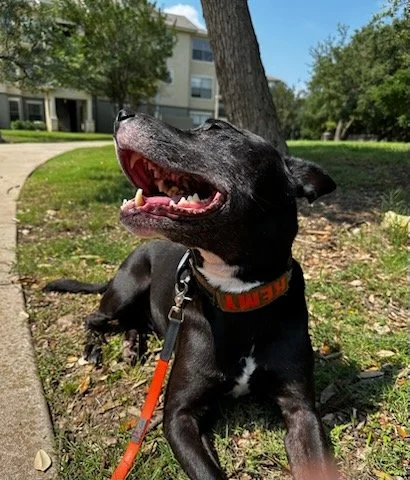
While it’s true that Galliprant avoids the side effects of some NSAIDs, it is still a medication, and it can still lead to side effects. Some issues that are reported by the owners of dogs using Galliprant include vomiting, diarrhea, decreased appetite, and lethargy.[2] Fortunately, these side effects are typically pretty mild and may be resolved by adjusting the medication.
It’s also likely that your vet will want to perform periodic blood work on your dog to keep track of things like liver and kidney function. This medication is gentler on those organs, but monitoring still needs to take place. This kind of monitoring is particularly important for senior dogs or dogs who already have related conditions that need to be managed.
What Other Dog Medications Can Manage Arthritis Pain?
As mentioned earlier, traditional NSAIDs like carprofen or meloxicam are widely used and can be effective for many dogs. If your vet feels that one of those medications would be the most appropriate solution for your pet’s needs, you may receive a prescription for one of those instead.[3]
There are also drugs that can support joint health over time, with Adequan being the primary example. This is an injectable medication that helps limit the joint damage done by arthritis, allowing mobility to be maintained and pain to be reduced in the long run.
Can Canine Physical Rehab Reduce the Need for Medications?
Medications are a great way to start dealing with arthritis in your dog.[4] They do not have to be the end of the road, however. In fact, it’s best to view the use of medications as a starting point, onto which you can add physical rehab to help your dog build strength and restore stability that may have been lost.
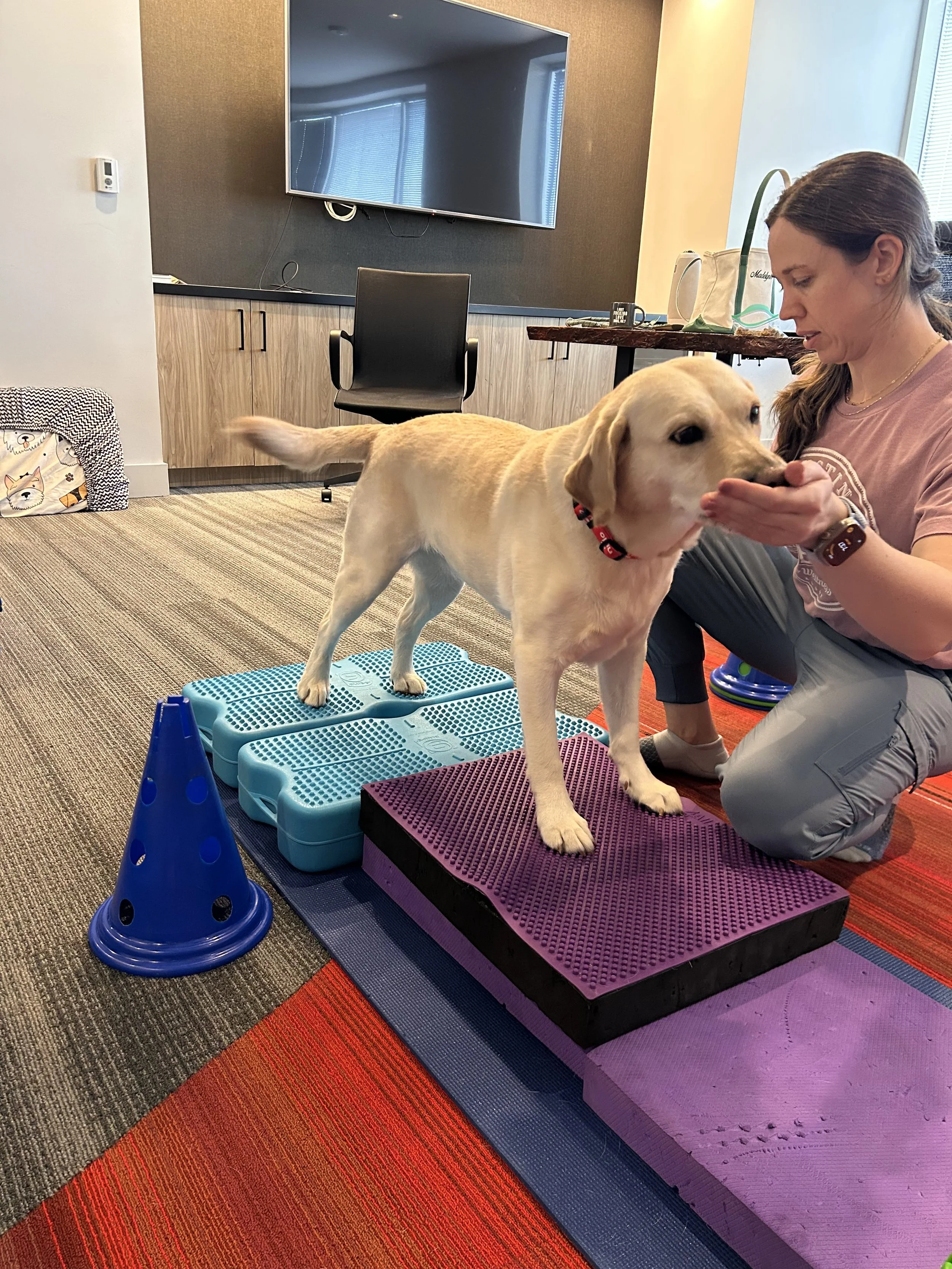
Targeted, land-based canine rehab exercises can work wonders for strengthening the muscles around affected joints. These exercises don’t treat the arthritic joint directly, of course, but they can reduce the load that the joint bears over time. Gradually, this can ease discomfort, and eventually, it may lead to a reduction or stopping of medications.
Is Galliprant the Right Choice for Your Dog’s Long-term Health?

There are too many factors involved to say for certain if Galliprant is going to be the right pick for your dog. Variables to keep in mind include the age of the dog, their kidney and liver health, pain level, and more. Galliprant can be an excellent long-term option for some dogs, but it might not be the right match for others. Work closely with your vet to determine the best course of action moving forward.
Of course, if you would like to pair canine physical rehab with your chosen medication to help your dog make meaningful progress, reach out to the team at Austin Canine Rehab today. We’d love to serve you!
Frequently Asked Questions
-
That depends on your dog. Galliprant works differently than Rimadyl, and for some dogs, that will mean that it produces better results. However, some dogs do respond better to traditional NSAIDs. Your vet can help you determine which option will be more effective.
-
Yes, it is appropriate to give the chewable tablets without food. However, giving the tablet along with a small meal may reduce the chance of your dog experiencing an upset stomach.
-
Galliprant does not cure arthritis. It aims to reduce inflammation and, as a result, can bring down pain levels. This medication can play a role in supporting long-term joint health, along with movement and other forms of supportive care.
-
Stop the medication and contact your vet if using Galliprant leads to diarrhea. These kinds of side effects should always be discussed before continuing use or adjusting the dosage.
-
There is no specific time limit on the use of Galliprant. With veterinary supervision, including blood work and regular checkups, this medication can be used over the long term.