

Enhancing Mental Health in Dogs: How to Reduce Stress & Support Emotional Well-Being
Why Is Enhancing Mental Health in Dogs So Important?

Mental well-being is just as important as physical health, both for dogs and for humans. When dogs have a calm and balanced mind, they are more confident and curious, and better able to engage in life. Enhancing mental health in dogs can make everything better, including behavior, motivation, mobility, and quality of life.
Of course, mental health and physical health are deeply connected. If your dog is struggling with mental health problems like chronic stress, they may also wind up facing health problems prematurely. Some of those health issues could be brought on by issues like poor eating habits and poor sleep. Below, we’ll look at what causes stress in dogs and what steps you can take to keep your dog on track for lasting emotional well-being.
What Causes Stress in Pets and How Does It Affect Their Health?
Stress in dogs stems from a range of different triggers. (1) Some of the stressors that dogs will respond to include sudden changes in schedule, a lack of stimulation, separation from caregivers, and mobility challenges. Dogs are incredibly attuned to their environments, and even minor changes can lead to a stress response.
It’s important to note that stress can impact both physical and mental health. This is true for dogs just as it is true for people. Stress will often impact how a dog sleeps, eats, and even holds its body when standing or walking around. If you pay close attention to the health of your dog, you will start to notice how certain triggers lead to stress, and you can gradually make the appropriate changes to optimize health.
The Role of Your Mental Health

This section would not be complete without a mention of the important role that human mental health plays in the well-being of dogs. Dogs are incredibly attuned to human body language, and things like tone of voice and energy levels. So, if you are calm and confident, your dog is more likely to feel safe and regulated.
Of course, the opposite is also true. If you bring your stress, frustration, and tension into your interactions with your dog, those emotions will be felt. You don’t have to feel pressure to be “perfect” around your dog, but it is helpful to bring emotional consistency and stability to the relationship. In this way, both you and your dog can support each other and foster improved mental health for everyone involved.
How Can Daily Routines Improve Mental Health in Dogs?
Predictable daily routines are one of the best things you can have in place for your dog. (2) A clear rhythm of meals, walking, play, and quiet time will work wonders. Of course, some changes from day to day are inevitable in the real world, but the closer you can stick to the routine you’ve built, the better.
If you want to build a reliable routine for your dog, keep the following points in mind –
Start with meal timing. Feeding your dog at the same time each day is a great fundamental piece of the daily routine puzzle.
Consistent outside time. While this point will need to be a little flexible depending on the weather and your schedule, try to get your dog outside around the same time each day. Going for a walk once in the morning and once in the evening, for example, is an excellent place to start.
Be realistic. Don’t overdo it by planning an elaborate daily routine that will be nearly impossible to stick with over the long run. It’s far better to simply implement a few cornerstone habits that your dog will quickly get used to.
What Role Does Enrichment Play in Enhancing Mental Health in Dogs?
Enrichment play is valuable mental engagement for dogs. (3) When dogs are mentally stimulated regularly, they often struggle with boredom, anxiousness, and frustration. Fortunately, enrichment play doesn’t have to be time-consuming or complicated, and it can be fun for dog and owner alike. It’s easy to be focused on getting your dog plenty of physical activity during the day, and that’s certainly important, but it’s also critical to keep their mind engaged with the world around them. The options for enrichment play are endless.
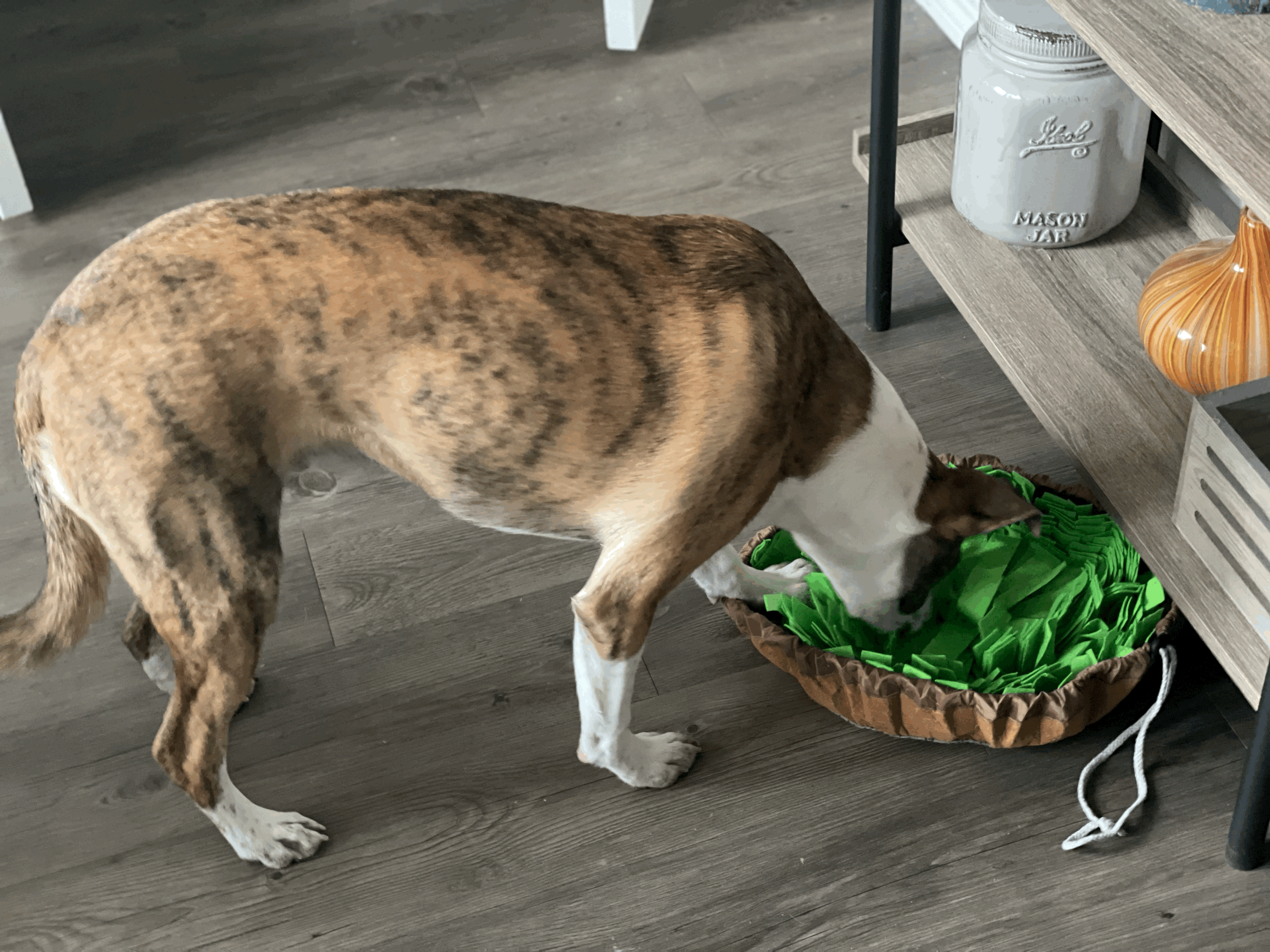
You can shop from countless puzzle toys on the market, or look into scent-work games or problem-solving activities. Try out a few different options to see which ones seem to grab your dog’s attention time after time.
Can Exercise and Gentle Strength Work Help Reduce Mental Stress in Dogs?
Exercise and strength work are excellent for alleviating mental stress in dogs. Sure, there is the practical side of this kind of physical activity, in that it can help to strengthen muscles and keep joints moving properly. But that’s far from the end of the story. Gentle, purposeful exercise also helps dogs burn off nervous energy and gives them opportunities to have positive experiences.
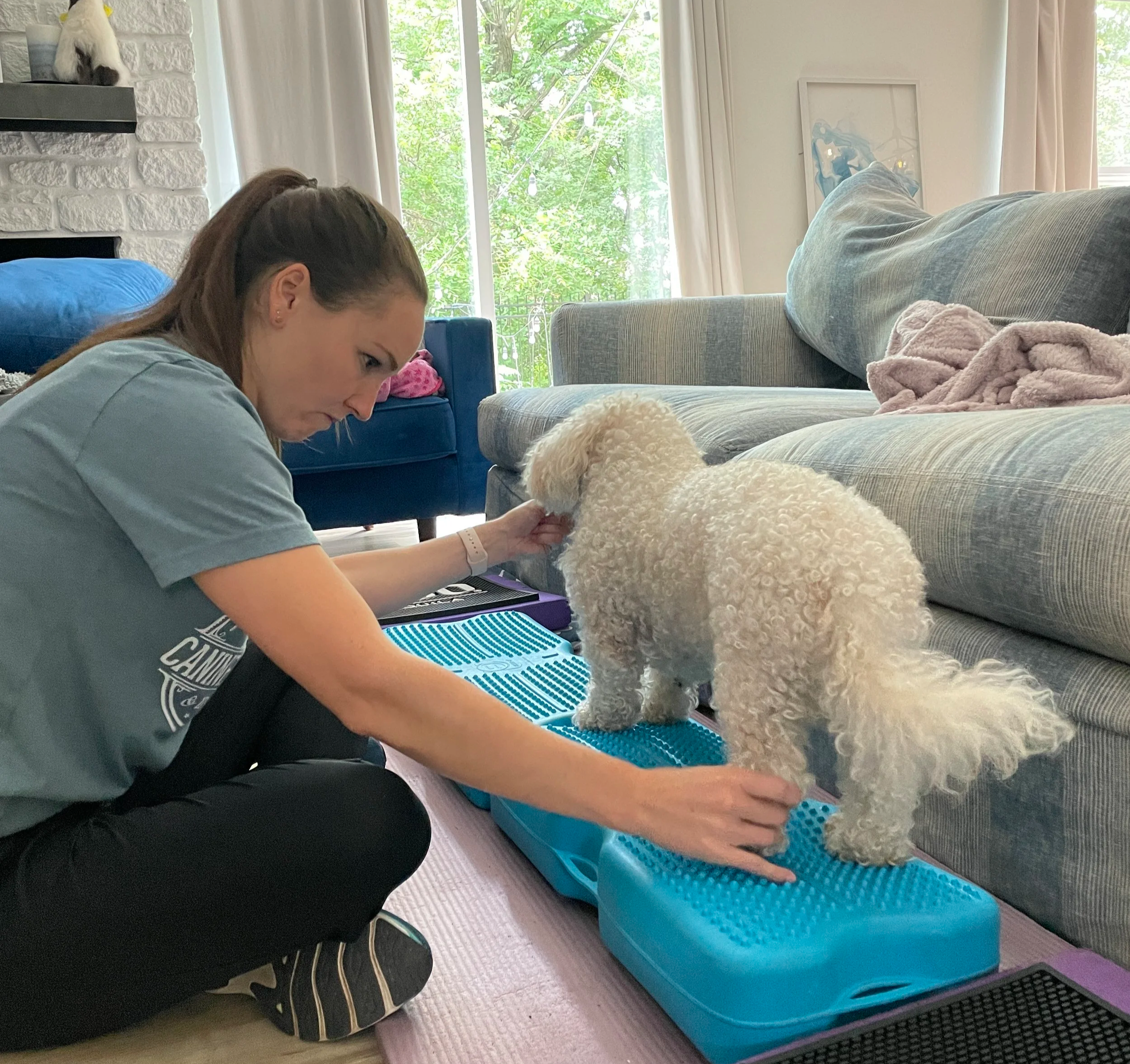
To understand how this works for your dog, just think about how it works for you. Most humans feel better mentally after taking a walk or going to the gym for a workout. It doesn’t really matter how intense the exercise is, as the simple act of getting the body moving in one form or another helps mental clarity and leads to stress reduction. Remember how you feel after being active and you’ll be motivated to provide your dog with that same sensation.
When Should Dog Owners Seek Professional Support for Their Pet’s Mental Health?
Knowing the close connection between physical and mental health, it’s important to keep your dog as physically capable as possible as the years pass by. This is a great reason to consider working with a certified canine rehabilitation therapist like those at Austin Canine Rehab.
Our team would be proud to work with your pet to deliver supportive care that includes customized routines, recommendations for enrichment strategies, and much more. Give us a call today to get started.
Frequently Asked Questions
-
Start by building consistent daily routines for your dog. These routines should include gentle social interactions, positive reinforcement training, and enrichment activities.
-
Absolutely. Stress can lead to sleep and digestion problems, along with a muted immune response, all of which can lead to a decline in physical health.
-
Yes, research has shown that various forms of environmental enrichment can reduce stress in dogs and cut down on the frequency of undesired behaviors. Also, overall relaxation and engagement with the surrounding world can be boosted through the use of enrichment toys.
-
Watch for persistent signs of anxiety like behavior changes or avoidance of movement (in the absence of a physical injury). If these signs don’t improve after you implement things like reliable routines and enrichment activities, consider reaching out for professional help.