Dog Limping But X-Ray is Normal: What Every Pet Owner Should Know
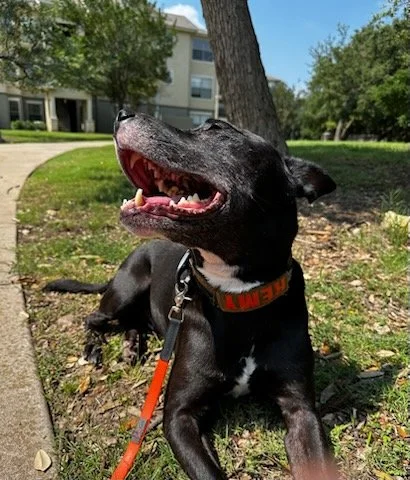
When your dog is noticeably limping, one of the first steps is usually to have an X-ray taken. This is a valuable tool because it can locate or rule out things like fractures, dislocations, and advanced joint disease. So, X-rays are certainly worthwhile, but they can’t always tell the whole story.
Since X-rays do not show soft tissue clearly, your dog could be in pain and have a noticeable limp without anything showing up on the X-rays. This doesn’t mean the limping issue should be ignored, of course, but it does mean that you’ll need to switch tactics and move away from imaging in favor of focusing on function.
Can Soft Tissue Injuries Cause a Dog to Limp Even if an X-Ray is Normal?
Yes, soft tissue injuries are one of the most common reasons for dogs to limp. When your dog’s X-rays are normal, you’ll want to consider the possibility of injuries to muscles, ligaments, or tendons. These are all critical for movement and stability and will fly under the radar during the X-ray process.
You might notice a limp coming on gradually over time, or it could happen suddenly after an injury that is suffered while running, jumping, or slipping. Some of the specific possibilities here include an early CCL (cranial cruciate ligament) injury to a back leg, or an iliopsoas strain, which impacts the deep hip muscle.[1] Limping caused by these injuries is likely to get worse over time and will likely need targeted rehab therapy to improve.
Why is My Pet Having Difficulty Moving if the Bones Look Healthy?
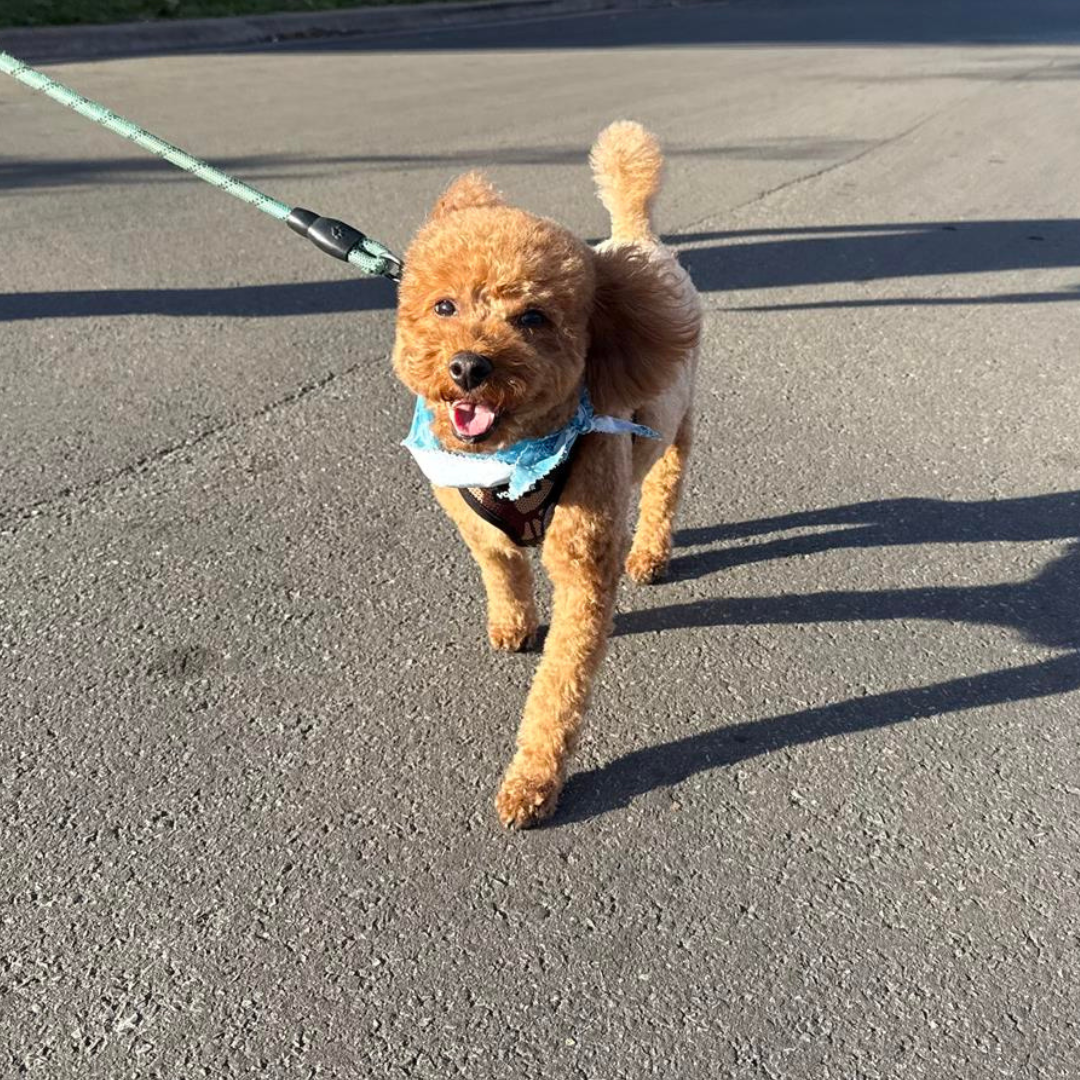
We’ve already outlined how soft tissue injuries can make it hard for your dog to move comfortably even without a bone injury. However, it’s also possible for a neurological issue to lead to limping without any physical damage at all.[2]
A neurological problem will affect how signals travel between the dog’s brain, spine, and limbs. Something as simple as a mild nerve irritation can actually change how the dog is able to use a leg. This can lead to inconsistent limping, dragging a single paw, or sudden changes in coordination.
The tricky thing about neurological conditions causing limping is that the actual issue will be removed from the location of the limp. For example, it could be a lower back problem that leads to rear leg weakness, or a neck issue might cause a limp in a front leg. Working with a qualified veterinarian will be necessary to settle on an accurate diagnosis.
How Do Dogs Develop Limping from Compensatory Patterns?

There is a domino effect that often comes into play with limping. In many cases, a limp actually stems more from compensation than anything else. When your dog compensates for pain in one area, they will put more stress and strain on another area, and that increased load can lead to a limp over time as a result of uneven movement patterns.
Muscle atrophy is a key sign that compensation is taking place. One leg might look smaller than the other, and it will be noticeably weaker.[3] Dealing with compensations isn’t just a matter of getting rest, as it will be necessary to retrain movement patterns in order to balance your dog’s weight evenly across his or her body once again.
What Should You Do When Your Dog is Still Limping?
It’s hard to see your dog limping day after day without knowing how to help. Once you have had an X-ray taken without any helpful results, you might feel stuck. In some cases, more advanced imaging will be suggested, such as an ultrasound or MRI, but that’s not always the right tactic. You’ll want to talk to your vet about whether further imaging is really worth the time and cost, or if you would be better off connecting with a Certified Canine Rehabilitation therapist to explore other treatment options.
How Can Canine Rehab Help Improve Your Dog’s Care?
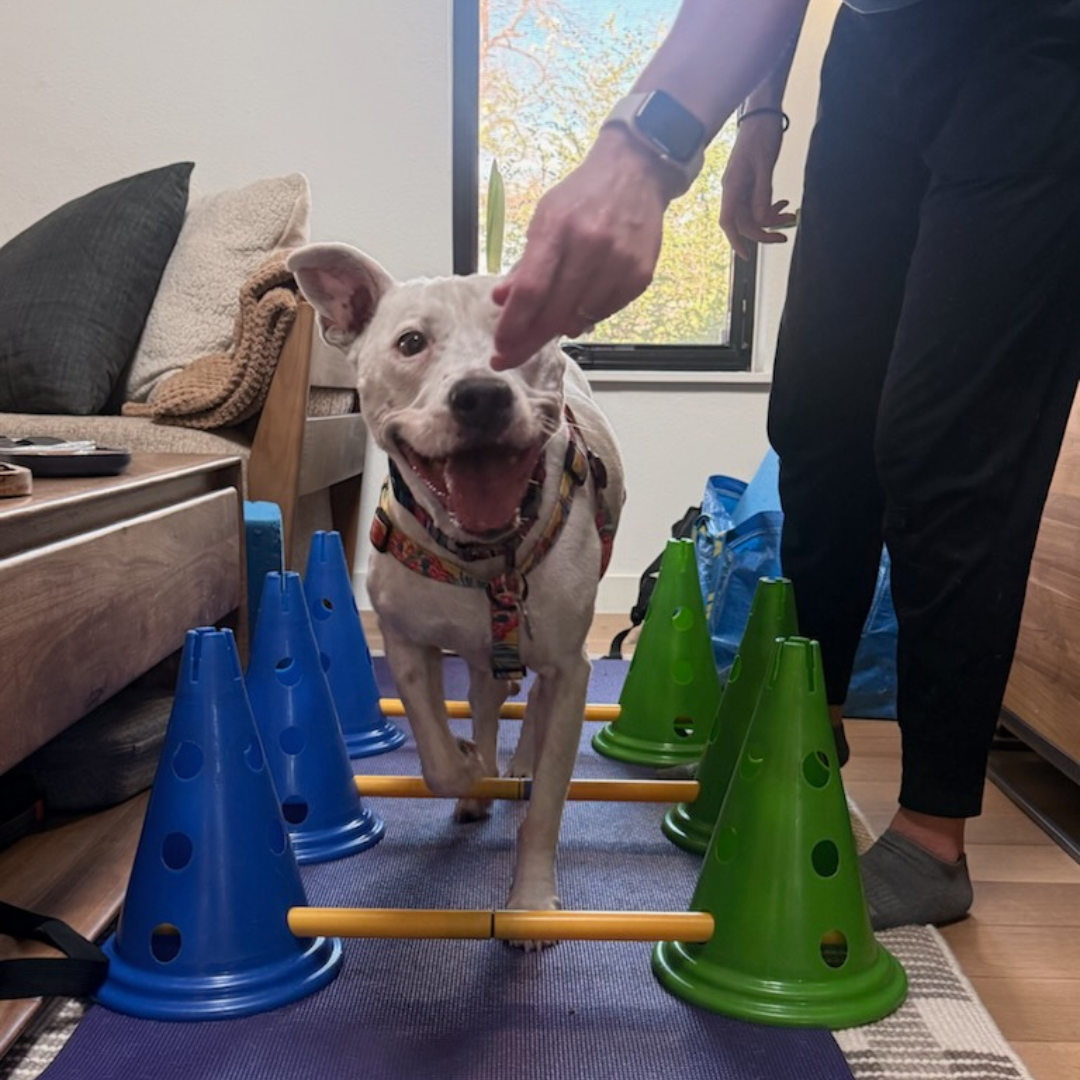
There is often a gap between what your dog’s imaging results show and what you are seeing in the real world. Working with Austin Canine Rehab can help you fill in this gap by going through a functional assessment to see how your dog is using his or her body currently.
That assessment will include looking at things like gait and posture, weight distribution, and joint mobility. With the assessment done, a custom treatment program can be crafted that will utilize therapeutic exercises, manual therapy techniques, balance work, and more. To learn more about how Austin Canine Rehab can support both you and your pet, feel free to reach out now for assistance.
Frequently Asked Questions
-
In most cases, a dog with a limp that doesn’t show any injuries on an X-ray is dealing with a soft tissue injury, inflammation, or neurological issues. These issues can still impact movement and cause pain, even if an X-ray is clear.
-
Yes. Early-stage or partial cranial cruciate ligament injuries often do not show up clearly on X-rays. So, even if the X-ray looks okay, you can’t rule out a CCL tear.
-
Yes, PEMF can be a great option for many dogs who have inflammation in soft tissues. This type of treatment is generally considered safe when used appropriately and administered by a professional.
-
In the short term, a bit of rest may be advisable. However, long-term symptom improvement typically requires periods of guided movement to prevent lasting compensations and muscle loss.
-
Signs that your dog is limping for neurological reasons include dragging their paw, changes in coordination, and inconsistent limping. To receive an accurate diagnosis on this point, you need to bring your dog to a veterinarian for a proper hands-on evaluation.