Muscle Weakness vs. Joint Disease in Dogs: Helping Your Pup Move Better
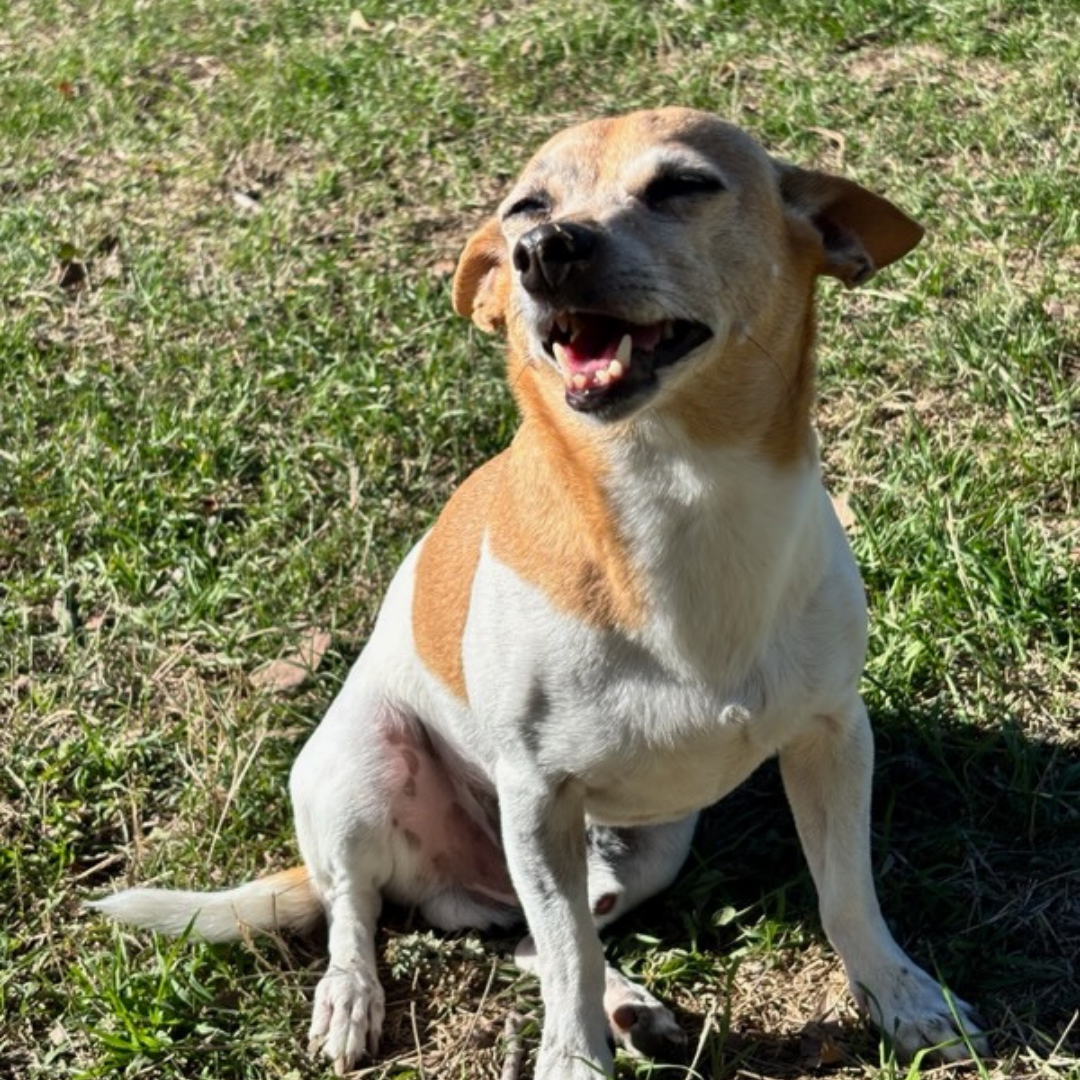
Seeing your dog slow down is a challenging experience. You’ve likely had many years of great activity shared between the two of you, and it feels like that time is drawing to a close. That’s a hard reality to face, but you don’t have to accept that the end has arrived just yet. In fact, with a little intervention, there may be many more wonderful days out in the sun ahead.
In many cases, what you’re seeing in terms of your older dog slowing down is the result of one of two things: muscle weakness or joint disease. While it’s not a good idea to diagnose your dog at home without involving a vet, you can get an idea of what to watch for each day and when to reach out for help when the symptoms become too concerning.
What Are the Primary Signs of Muscle Weakness in Dogs?
Muscle weakness in dogs is marked by instability. You’ll see that their limbs may be trembling slightly after a walk, or they might have trouble standing up on a slippery surface. Sometimes, dogs with muscle weakness will simply begin to sit down more during an activity.
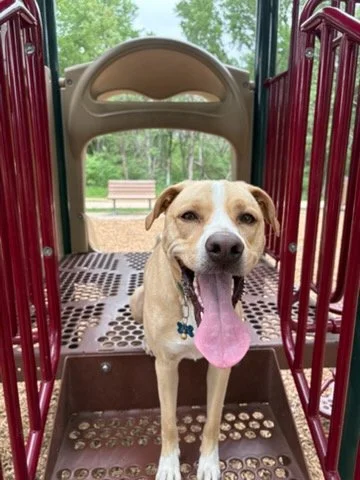
As this issue develops, you might even be able to see the loss of muscle mass on your dog. Most noticeably, you might see that the dog does not have as much muscle around the hips and thighs as when he or she was younger.[1] Muscle loss only becomes visible in more advanced cases, so your dog has likely been losing muscle for some time if you can now see it plainly in front of you.
How Does Joint Disease in Dogs Differ from Simple Weakness?
Once you know what to watch for, it’s rather easy to tell the difference between joint disease and muscle weakness in dogs. Unlike muscle weakness, which we’ve already explained is marked by instability, joint pain is marked by stiffness. Your dog will simply have a harder time moving than before, and will take many careful steps before gradually warming up and moving more freely.[2]
There is more pain associated with joint disease, as well. The pain causes the dog to be sensitive to touch near the hips, knees, and elbows in many cases. They may naturally decrease their level of activity as a result of the pain, and will often be reluctant to jump up on anything, or to use the stairs. You might notice that your dog doesn’t want to run, or will use an awkward bunny hopping motion when running.[3]
Can a Dog Have Both Muscle Weakness and Joint Issues?
Unfortunately, yes. Dogs can have both muscle weakness and joint issues, and the combination is actually quite common. There is a downward cycle that happens in many dogs that leads to having both of these conditions at the same time.

The starting point is usually joint pain. As a dog gets older, he or she might encounter some joint pain, and that pain will naturally lead to less movement and activity. Then, of course, a decrease in activity can lead to a loss of muscle. And, with less muscle, the joints are less supported, and they face even more stress.
As this pattern continues, the dog’s overall health just declines. Even if your dog wants to move, they might not feel like they have the strength to do so, or may be in too much pain to keep it up. This is a hard pattern for dog owners to watch.
How Can Canine Rehabilitation Help Manage These Conditions?
Proper canine rehabilitation can be particularly helpful in these situations. When you work with an experienced canine rehab provider, your dog will benefit from a customized treatment plan that addresses the specific challenges they are facing.
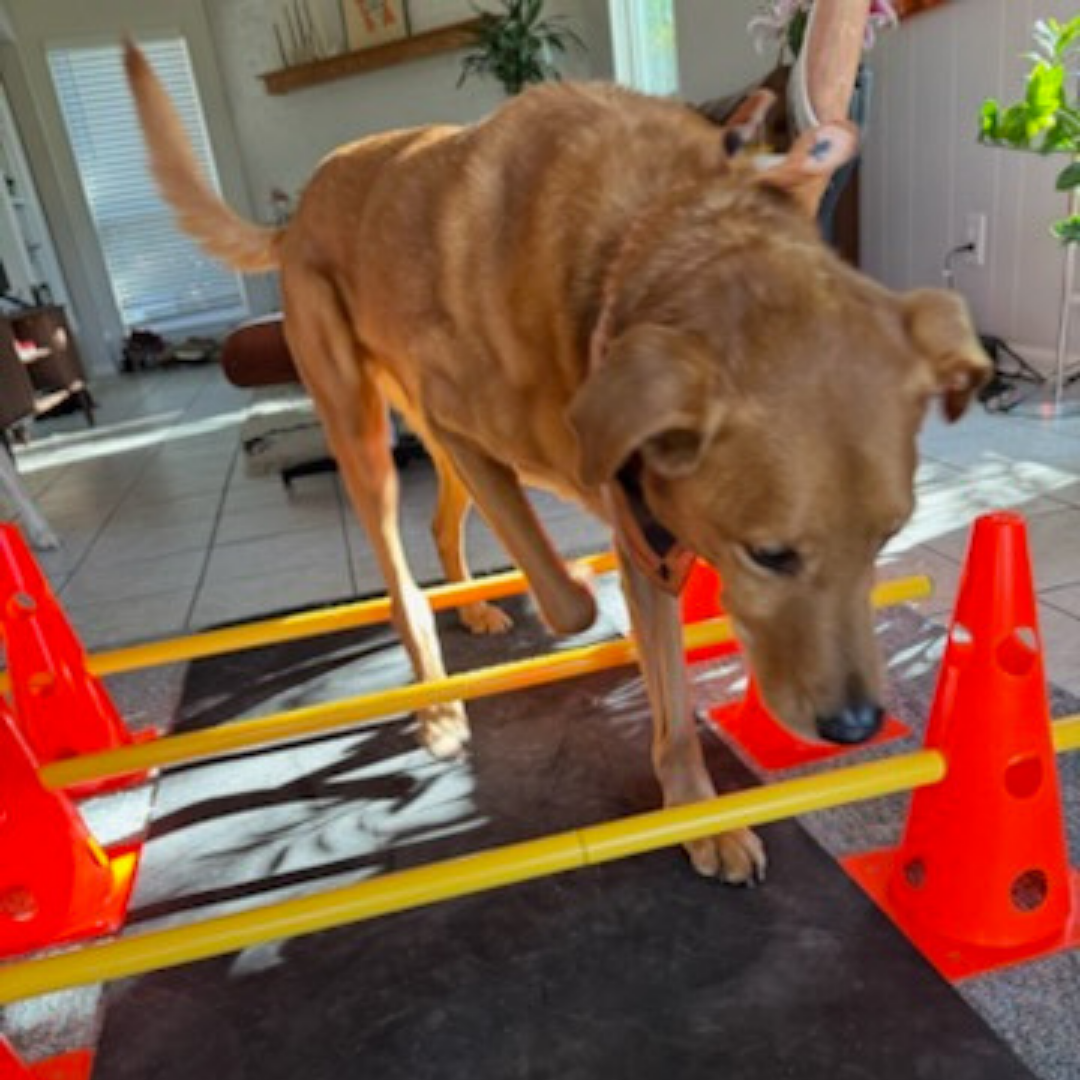
The different elements of the treatment plan will vary from one situation to the next. Some dogs will need target strengthening exercises to rebuild muscle, while others will benefit from weight management strategies to reduce stress on joints. There may also be environmental adjustments recommended, along with balance and coordination work. The possibilities can go on and on.
It’s not as simple as just keeping your dog active in order to maintain muscle and hold off the advance of aging. Working with a trained professional will make sure the right approach is taken given your dog’s condition, and the impact of muscle weakness or joint disease (or both) will hopefully be moderated for years to come as a result.
Summary and Next Steps for Owners
You don’t have to sit back and do nothing while watching your dog gradually slow down. Now that you understand what is likely going on, you can take action and do something about it. As a first step, take a moment today to reach out to the team at Austin Canine Rehab. We will be happy to speak with you about your dog’s condition and work on a treatment plan that begins to improve quality of life right away. It would be our pleasure to serve you and your pet!
Frequently Asked Questions
-
If your dog has muscle weakness, you’ll typically notice wobbly walking or general instability. On the other hand, joint pain creates stiffness and many dogs are reluctant to move much when their joints hurt. It’s common for dogs to have both at the same time, so an accurate diagnosis is important.
-
Some muscle loss will occur as an expected part of the aging process. However, significant muscle loss in a short period of time should not be ignored. It may be possible to rebuild some of what has been lost with the right support.
-
Yes. Even in advanced cases of joint disease, dogs can benefit from canine rehab to improve comfort, mobility, and overall confidence.
-
Sometimes, but not always. Movement can be important, but too much activity can actually serve to worsen fatigue. Targeted exercises tend to be more successful than just adding walk time.
-
Start with making simple changes to your living environment. Those changes include adding rugs for traction and making it easier to get up onto elevated surfaces like beds or couches. Adding a structured rehab plan can help you confront this challenge successfully.