Why is My Senior Dog Struggling to Walk and Breathe?
You know your dog better than anyone. If something seems off, even if you don’t know exactly what it is, there’s a good chance that issue needs to be addressed.
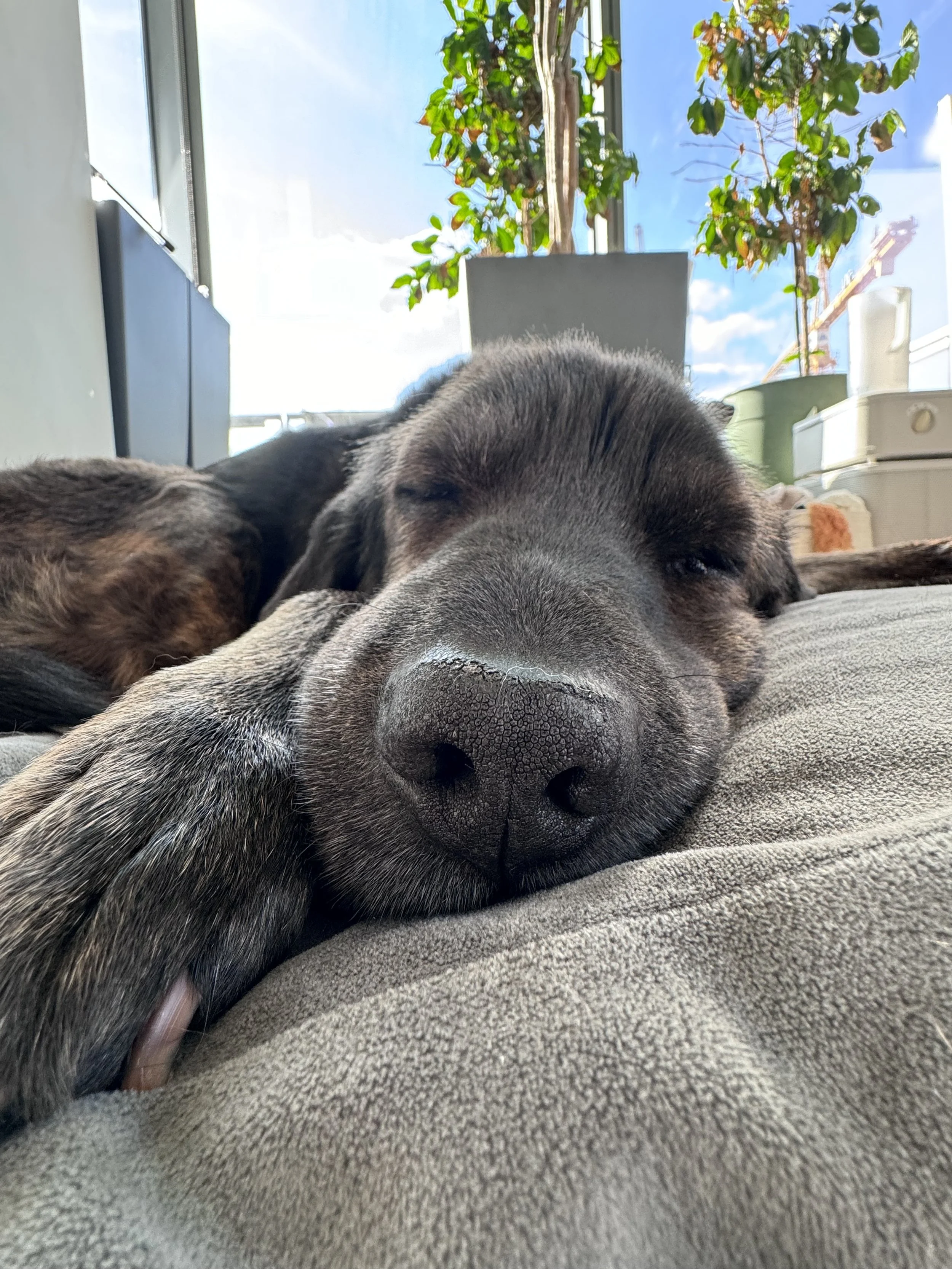
Often, the symptoms will start to show up slowly at first. Your dog might be slowing down on walks before you complete your usual route. Or, they might be breathing harder than normal on that walk, even though it isn’t hot outside. It’s smart to take a closer look at this situation to get to the bottom of it and figure out what your dog is facing and if treatment is required.
Is My Dog Just Getting Old, or Could It Be GOLPP?
The temptation, at first, will be to write off these symptoms as an effect of old age. And to be sure, it’s possible that old age is to blame. Dogs, like all animals, certainly slow down as they age, and the signs of aging can show in a variety of ways.
But that’s not the only possibility. A condition known as Geriatric Onset Laryngeal Paralysis Polyneuropathy, or GOLPP, could be leading to these symptoms.[1] GOLPP is a progressive condition that affects the nerves of older dogs. It is particularly common in larger breeds.
The specific way that GOLPP affects dogs leads to the telltale combination of symptoms that many dog owners have noticed. The condition impacts both the larynx and the peripheral nerves that control the movement of the back legs. When taken together, this is why dogs with GOLPP struggle to breathe properly while also having instability in the hind legs.
Why is My Senior Dog’s Breathing Sounding Different Lately?
A change in your dog’s breathing is often the first sign of GOLPP.[2] You will likely hear loud breathing during activity, or even when on a normal walk. The dog’s bark may also become rather raspy or hoarse, and you’ll probably notice that it sounds different than in the past.
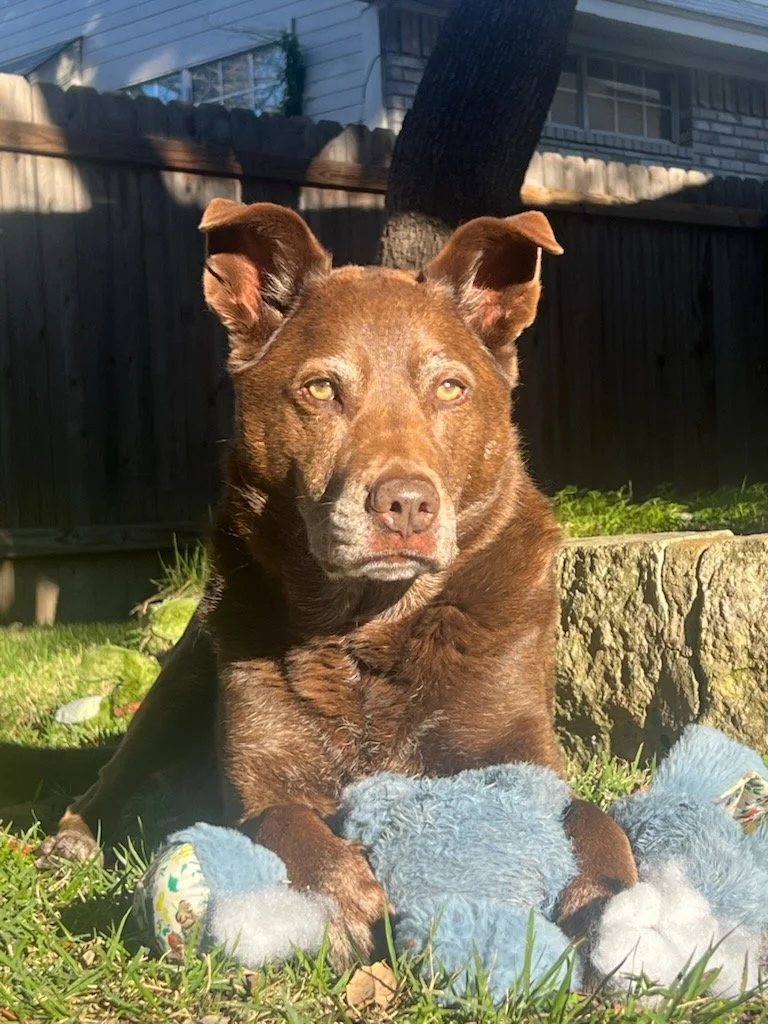
As the condition advances, you will sometimes notice a loud “roaring” sound when inhaling, and it will seem like the dog is struggling to inhale enough air. This is because the larynx isn’t opening and closing properly due to the nerve dysfunction. Dogs with GOLPP also have an increasingly hard time dealing with hot weather, as it is hard for them to catch their breath comfortably.
What Causes a Senior Dog to Have Hind Leg Weakness and Wobbliness?
It seems strange that a condition that impacts breathing could also impact back leg stability. There wouldn’t seem to be an obvious connection between those two functions, but that’s exactly what GOLPP causes. You will likely notice wobbly walking, knuckling (with paws folding over), and difficulty getting up after lying down.[3]
If you pay close attention to how your dog moves, you can spot the difference between arthritis in senior dogs, which is marked by stiffness and pain, and GOLPP, which is marked by instability. Of course, the two can overlap, so it is important to have the help of a veterinarian to determine exactly what conditions your dog is facing.
How Can Canine Rehabilitation Help My Dog Walk Better?
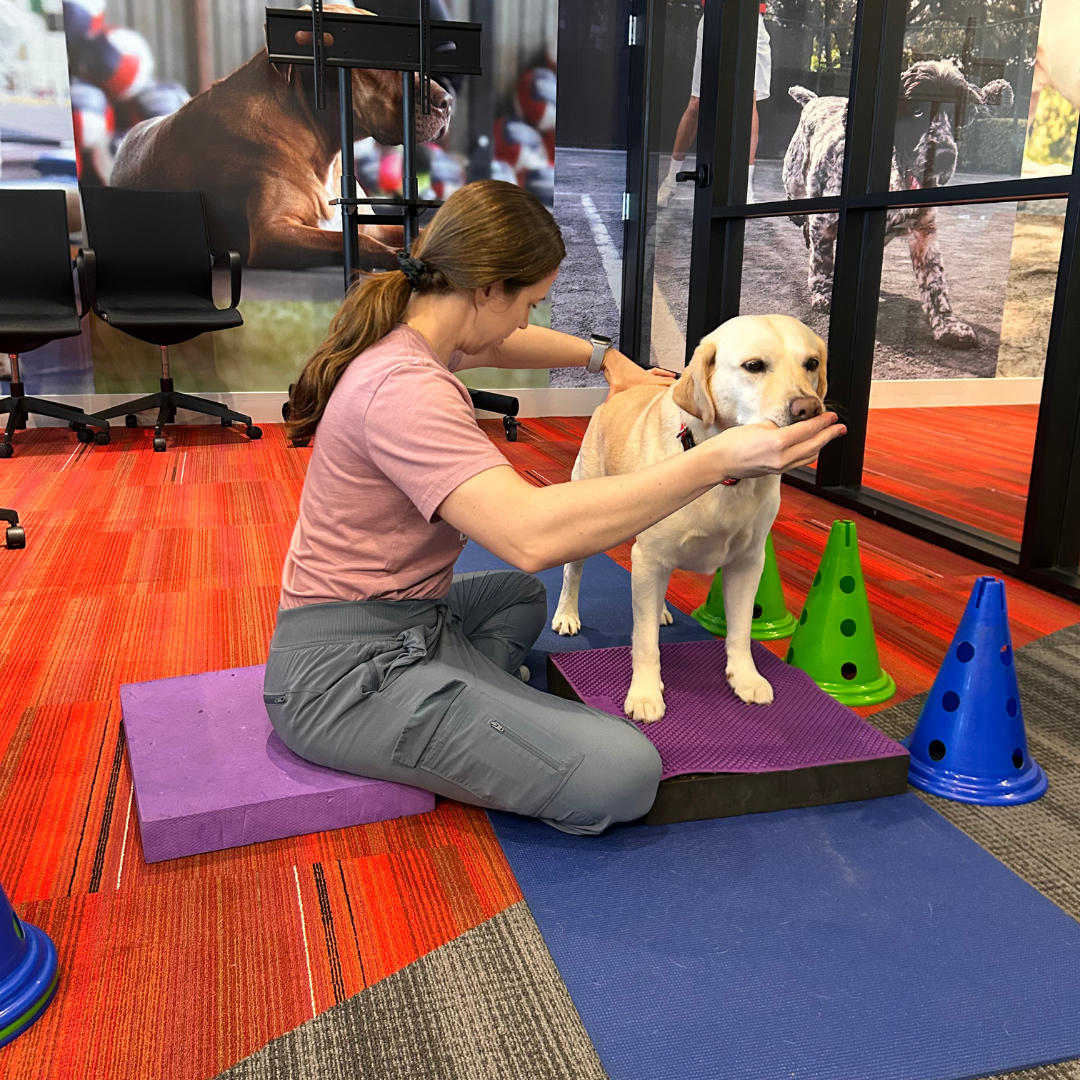
It can be disheartening to learn that your dog has a progressive condition like GOLPP. However, there are things you can do to help your dog stay as healthy as possible while living with this condition. Specifically, working with a certified canine rehabilitation therapist is a great way to have a personalized plan created for your dog.
That plan can include:
Strengthening exercises to support the core and hind limbs
Balance and coordination work to improve stability
Controlled movement training to reduce compensations
Manual therapy to maintain joint mobility
It’s not possible to “fix” the nerves that are impacted by GOLPP, but it is possible to help your dog move better today and maintain the strength they possess.
What Can I Do at Home for My Dog Struggling to Walk and Breathe?
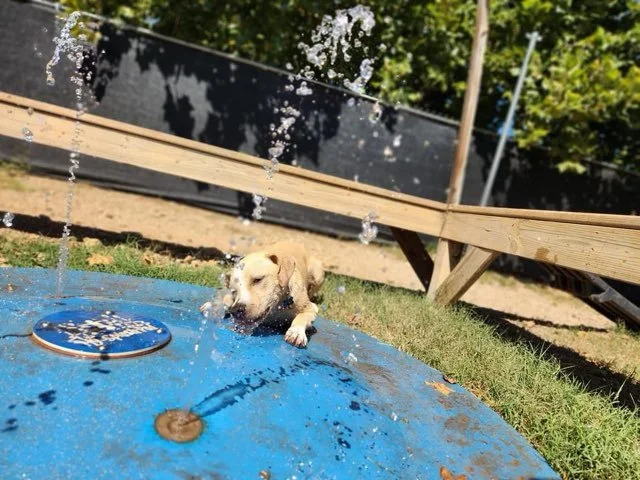
For simple changes that can help your dog day in and day out, start by switching to a harness from a collar. This will help avoid placing pressure on the neck. You can also provide your dog with elevated food and water bowls as a way to reduce strain. And, if your dog is having a hard time with hot weather, provide a cooling mat or plenty of shaded areas to rest.
In terms of walks, it’s best to keep them relatively short and use a modest pace. Also, avoid going for walks during the hottest part of the day, favoring the morning and evening instead. Even small adjustments like these can make a big difference in how your dog fares over time.
Connect with Austin Canine Rehab Today
A visit to your vet is in order if your dog is struggling to breathe and walk properly. In addition, you are welcome to connect with the team at Austin Canine Rehab to talk about our treatment options. We offer a variety of different forms of support, all designed to help your dog enjoy the best possible future. Reach out today to learn more.
Frequently Asked Questions
-
Usually, GOLPP is not considered painful. With that said, it can be uncomfortable and frustrating for dogs. Specifically, the breathing difficulty and overall instability can cause your dog to get frustrated over time as the condition limits what they can do.
-
There is no cure for GOLPP, and it is a progressive condition. Supportive care is important, however, as quality of life can be significantly improved with the right type of care.
-
It is hard for dogs to move air efficiently when they have laryngeal dysfunction. This leads to increased panting even when conditions are mild.
-
The progression of this condition varies from dog to dog. Some dogs experience a steady decline, while others will maintain mobility over a longer time period. Exercises to build strength and maintain mobility can help.
-
A veterinary exam is required to diagnose this condition. The vet will observe symptoms, and it may even be necessary to sedate the dog to evaluate laryngeal function properly. Other conditions may need to be ruled out as part of the process.