Conservative Management vs. Surgery for Dog CCL Injuries: Where Does Rehab Fit?
Quick Answer: Does a Dog CCL Injury Need Surgery or Rehab?
The right way to manage a dog's CCL injury depends on factors including the dog’s age, size, activity level, degree of instability, pain, and more. Many dogs will benefit from a surgical consultation, but not all cases are handled the same way. Canine rehab can be helpful whether your dog has surgery or you decide to pursue a non-surgical plan.
What is a Dog CCL Injury?
The cranial cruciate ligament is one of the main stabilizing structures inside a dog’s knee. Sometimes, it will be referred to as the “dog ACL”, since it is the equivalent of the ACL in a human.
Some CCL injuries will feature a complete tear of the ligament. In other cases, the damage will only be partial. Dogs can deal with CCL injuries as a result of a sudden event like an awkward landing or movement, or more commonly the injury develops slowly over time. You may notice signs such as:
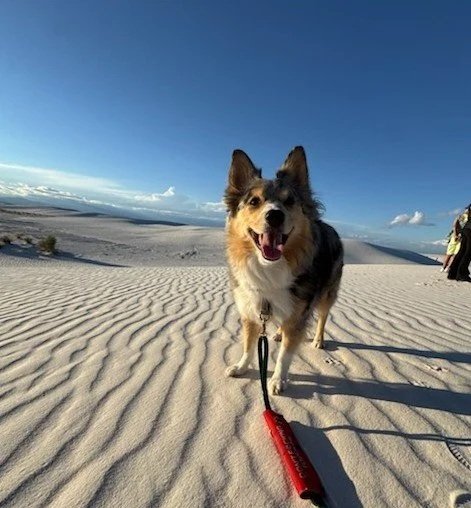
Limping or lameness
Difficult rising from a lying position
Swelling around the knee
Reluctance to run, jump, or climb stairs
CCL injuries are common in dogs and can affect dogs of any age, size, and breed.
What Are the Main Treatment Options for Dog CCL Injuries?
In general, there are three ways to deal with a CCL injury in your dog:
Surgery. This is an invasive procedure that will stabilize the knee joint. Rehab will be needed after the surgery to restore strength and mobility.
Conservative management. In this approach, rest and activity modification are the focus, along with pain management as directed by a vet.
Canine rehab. This option can support either of the two paths above, coming into play before or after surgery, or as part of a non-surgical recovery plan.
There is no one right plan that will work well for all dogs. It’s important to get input from your veterinarian to discuss the options and commit to a path forward.
Conservative Management vs. Surgery for Dog CCL Injuries
The table below breaks down the various options you may consider, along with some benefits and risks to weigh.
| Option | Best For | Potential Benefits | Limitations & Risks |
|---|---|---|---|
| Conservative Management | Smaller or lower-activity dogs, partial tears, senior dogs with surgical risk factors | Avoids surgery and anesthesia, many improve comfort and function over time | Does not actually repair the ligament. Ongoing instability can lead to joint damage over time |
| Surgery | Larger or active dogs, complete tears or significant instability | Directly stabilizes the joints, generally leads to better long-term outcomes | Requires anesthesia and recovery period. Cost can be significant |
| Rehab Before Surgery | Dogs with a planned procedure who can safely condition in advance | May improve strength and mobility going into surgery | Not always possible depending on pain level and timeline |
| Rehab After Surgery | All post-surgical dogs recovering function | Supports controlled movement, regains range of motion, strength, and gait quality | Must follow surgeon’s recommended timeline and restrictions |
| Rehab in Non-Surgical Plan | Dogs managed conservatively under veterinary guidance | Helps manage compensatory patterns, builds strength, maintains controlled mobility | Does not replace surgical stability |
When Might Conservative Management Be Considered for a Dog CCL Injury?
It’s important to understand that conservative management is not appropriate for every CCL injury. It can, however, be considered in certain situations. The following factors could point toward the possibility of using conservative management instead of an operation.
Smaller dogs often respond better than larger breeds to this tactic
Lower-activity dogs may not have the same functional demands on their joints as others
Partial tears can sometimes be managed without surgery
Senior dogs sometimes have medical conditions that make surgery more risky
When is Surgery Commonly Recommended for Dog CCL Injuries?
In most cases, surgery will be recommended for a CCL injury. That’s particularly true when some of the following are true:
The knee joint is unstable
The dog is a larger breed, or is young and active
The injury is a complete tear
The dog is in significant pain
Conservative management has been tried and did not help
There are three common types of surgical procedures for a CCL injury, including TPLO, TTA, and extracapsular repair. Your vet will determine which procedure is appropriate based on the specifics of the injury.
Where Does Canine Rehab Fit If My Dog Has CCL Surgery?
Canine rehab is an excellent next step after a successful surgery. Once your dog has the operation, rehab will often move through three phases.
Early recovery focuses on comfort and starting to go through safe, controlled movements. Managing any swelling or pain is important at this early stage of the process.
Mid recovery is when the dog can start to work on building strength, performing balance and coordination work, and improving gait quality.
Later recovery starts to focus on endurance, building functional strength, and getting your dog ready to return to a fully normal life.
Where Does Canine Rehab Fit If My Dog Does Not Have Surgery?
Even if you opt to stay away from surgery for now, you can still look to canine rehab to play a major role in your plan. Since you won’t have the joint stabilized through surgery, you’ll have to look to rehab to accomplish a few different things:
Controlled strengthening of the muscles surrounding the knee
Reducing the compensation patterns that often follow this kind of injury
Improving mobility and comfort within reasonable limits
Home exercise guidance so you know what to do with your dog between sessions
Weight management support to avoid placing any extra stress on the joint
How Do You Know If Conservative Management is Working?
It’s important to carefully observe the condition of your dog if you pursue conservative management. You want to make sure that things are going well and that progress is being made. Here are some quick checklists to use in this situation.
Encouraging Signs:
Improved comfort
Less guarding of the leg
Better weight bearing
Less limping, especially after rest
Easier transitions from lying down to standing
More controlled, willing movement
Gradual return of muscle strength
Warning Signs:
Increased pain or whimpering
Refusal to bear weight on the leg
New swelling around the knee
Increased difficulty rising or going up stairs
If you notice one or more of these warning signs, contact your vet right away to discuss the situation.
Questions to Ask Your Veterinarian About CCL Surgery vs. Conservative Management
When getting ready for an appointment with your veterinarian to discuss the right plan for your dog’s CCL injury, have these questions prepared so you can get the answers you need.
Is the CCL injury partial or complete?
How unstable is the knee?
Is my dog a good candidate for conservative management?
What are the risks of delaying the surgery?
What signs would point to conservative management not working?
Would rehab help my dog before the surgery?
When should my dog start rehab after the surgery?
What activity restrictions should we follow right now?
Given my dog’s age and size, what outcome is realistic?
How Austin Canine Rehab Supports Dogs with CCL Injuries
We take our role as part of your dog’s care team very seriously. We are not a replacement for your veterinarian or surgery, but we can work directly with referring vets to make sure our plan fits appropriately into your dog’s overall treatment.
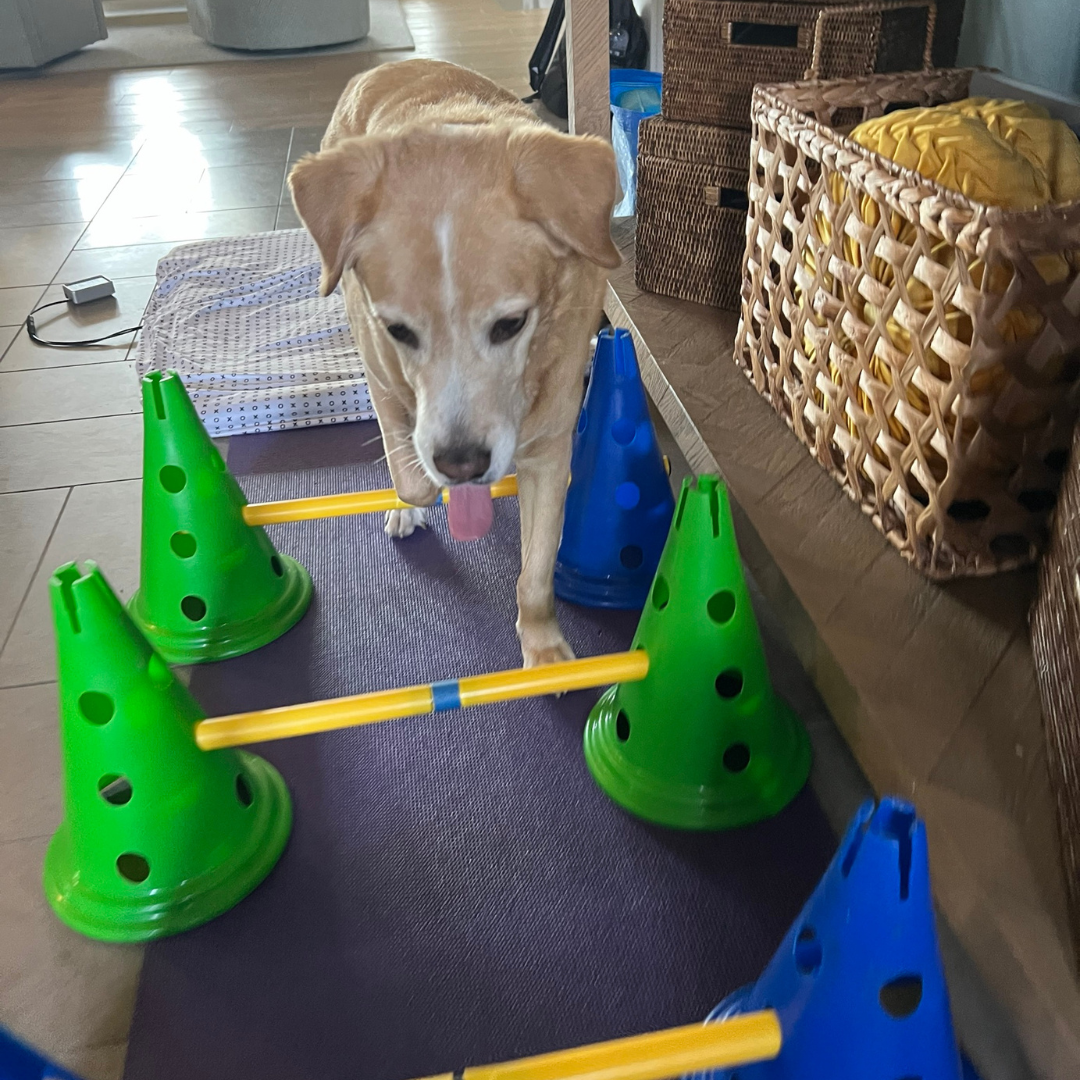
Our team can support your dog before or after surgery, as well as during conservative management. We develop individual plans for every dog that are based on the diagnosis they have received, the surgeon’s restrictions (if applicable), and other factors. We come to your home to offer your dog rehab care in a comfortable, familiar environment.
Bottom Line: Should You Choose Surgery, Conservative Management, or Rehab?
The honest answer is that there is no single right answer that applies to every dog. Surgery will be the right choice for many, but not all, dogs with a CCL injury. What matters most is getting a clear diagnosis and having an honest conversation with your vet about the situation.
If your dog has been diagnosed with a CCL injury, Austin Canine Rehab can help you understand where rehab fits into the plan, including before surgery, after surgery, or as part of veterinarian-guided conservative maintenance.
FAQs About Canine Rehab and Surgery
-
Yes, some dogs do improve over time with conservative management. That is not a guaranteed outcome, however, and results will vary based on the severity of the injury, the dog’s size and age, and how well the non-surgical recovery plan is followed.
-
It’s not a matter of one plan being “better” than the other. Each has potential benefits and will be the right fit in certain cases. For a large, active dog, surgery may be necessary to achieve the best long-term outcome. On the other hand, smaller dogs sometimes fare well with a non-surgical plan, in addition to dogs that have medical factors making surgery risky.
-
No. While canine rehab can certainly be beneficial, it will not heal a damaged or torn ligament. Instead, rehab can help by strengthening the surrounding muscles, reducing pain, and addressing any compensatory movement patterns that have developed.
-
Absolutely. Using canine rehab after surgery is a great way to support regaining range of motion, rebuilding muscle, and improving gait quality. Most dogs who have gone through a CCL surgery benefit greatly from going through a structured rehab problem with a licensed professional.