Life as a dog owner would be much easier if your pet could simply tell you what is wrong when something hurts. Of course, that’s not reality, so we are left to guess what is wrong based on signs like being slow to rise or hesitant to jump.
There are many possibilities when your dog’s movement becomes restricted, including issues with the iliacus. This muscle is often overlooked as a possible culprit, largely because the signs can be subtle and look similar to general stiffness or aging. Let’s take a closer look at this issue and what it can mean for your dog.
What is the Iliacus and How Does It Affect Your Dog?
The iliacus is a deep hip flexor muscle located inside the pelvis. The main job of this muscle is to move the hind limb forward while your dog is walking, running, or jumping. It works together with the entire iliopsoas muscle group, which includes both the iliacus and the psoas major. [1]
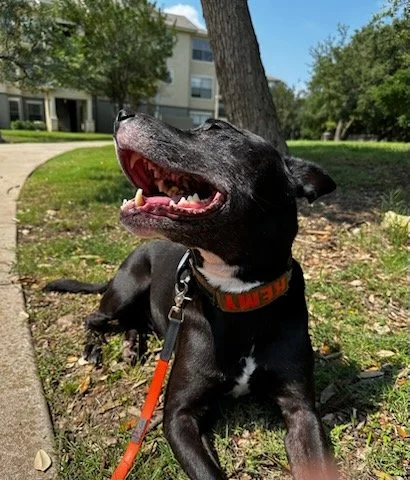
Since the iliacus is part of the iliopsoas system, injuries in this area are often grouped together. Injury to the iliopsoas in general is relatively common in active dogs, such as those who take part in agility, hiking, or high-speed activities. When these muscles are strained, your dog might have trouble fully extending or flexing the hip. You won’t necessarily think that your dog is “hurt” when they are having trouble with the iliacus, but you will likely notice that something isn’t quite right.
Common Signs of Iliacus Muscle Pain in Dogs
So, what should you watch for to determine if your dog is having trouble with the iliacus muscle? Difficulty jumping is one of the first signs you may see. If your dog is hesitating to make moves that he or she would normally handle with no problem, such as jumping up into the car, or onto a couch or bed, you might think about the possibility of an iliacus problem.
In addition to difficulty or hesitancy when jumping, there are other signs you can watch for, including:
Slight lameness that comes and goes from day to day
Reduced enthusiasm for usual physical activities
Sensitivity when the inner hip or groin area is touched
Changes in normal behavior patterns, such as increased irritability
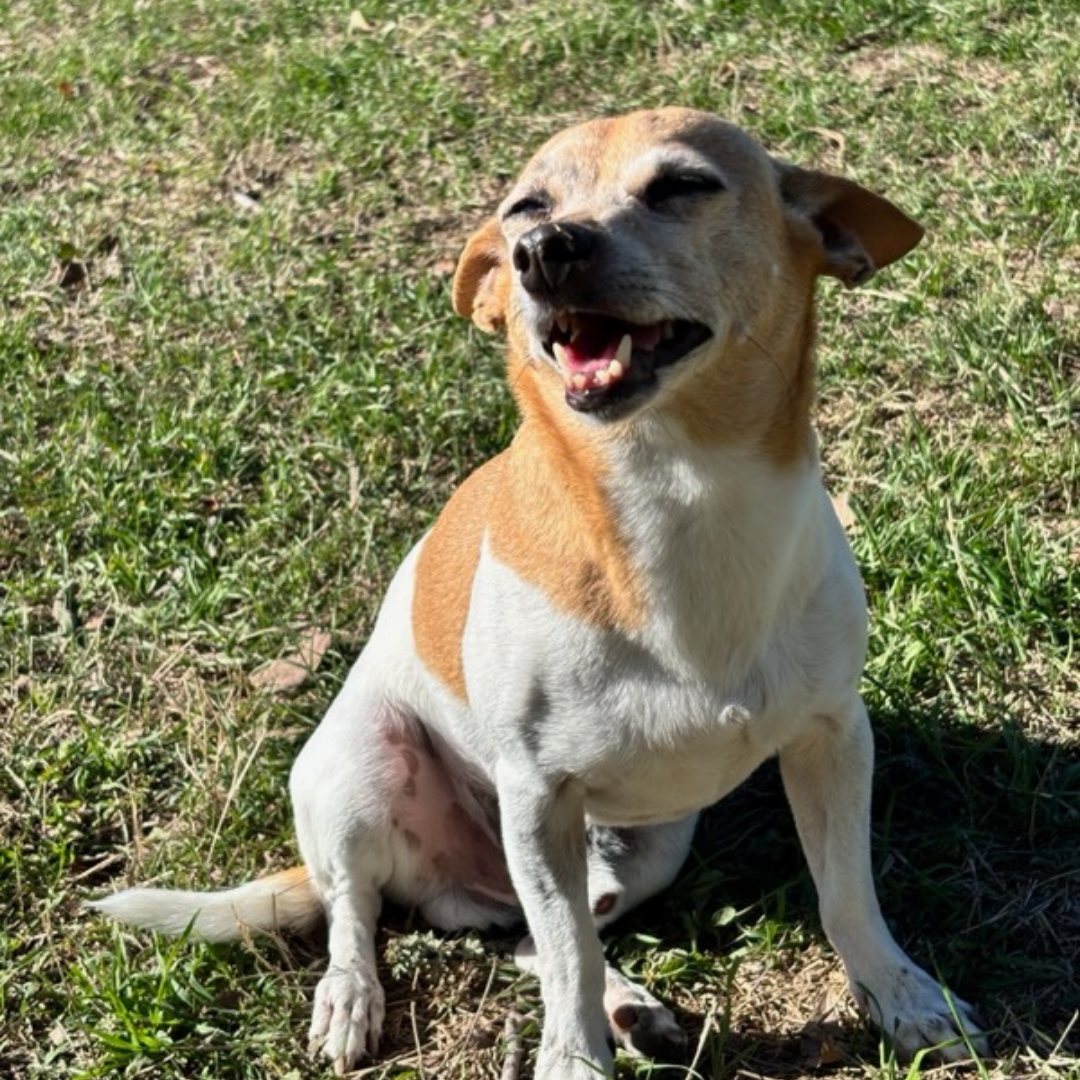
You might also see your dog taking a hunched or “roached” posture when they are uncomfortable. Their lower back will be rounded more than normal, and they might use a shorter stride with their back legs just to get around without being in too much pain.
How Do Injuries to the Iliopsoas and Iliacus Happen?
Both sudden trauma and long-term overuse can be to blame for injuries to the iliopsoas and iliacus. If your dog is particularly active, it’s likely that excessive stretching of the hip flexor during high-speed movement is to blame. Examples of high-speed movements that can lead to injuries include agility training, sprinting, jumping, and sudden directional changes. Also, slipping on a slick floor or landing awkwardly after a jump can cause an injury in this area. [2]
Repetitive stress iliopsoas injuries are often missed because they develop gradually over time. They don’t always present as a dramatic injury, so your dog may subtly adjust his or her behavior and movement patterns until you eventually realize that something is wrong. It’s also worth noting that the iliacus muscle can be injured as a result of compensation when your dog is dealing with something else. For instance, if your dog has a cruciate ligament injury, or arthritis, they may overload the hip flexors while compensating for the other issue, leading to iliacus problems as a result.
How Canine Rehab Helps Dogs Recover
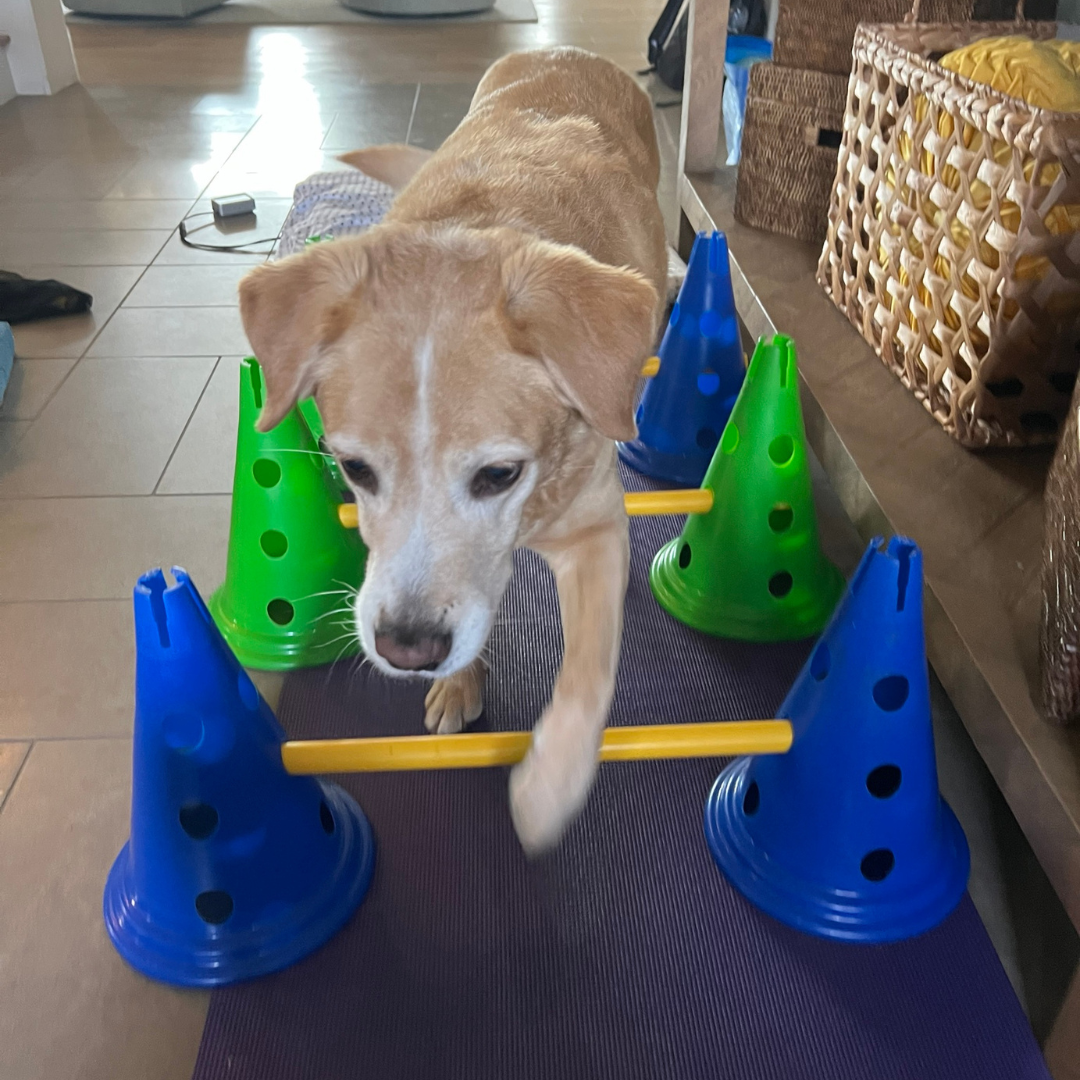
Working with a certified canine rehabilitation therapist is a great way to target the pain your dog is experiencing in this area. When working with Austin Canine Rehab, we will evaluate how your dog moves, where they show signs of restriction, and how they compensate as a result.
Once the issue is identified, targeted movement therapy can be applied to make progress on the injury. This can include gentle stretching, controlled strengthening exercises, and progressive loading to gradually restore normal hip flexor function. [3] While treatment is ongoing, it may be necessary to modify your dog’s environment in small ways, like making changes to limit jumping, adding rugs over hardwood floors, and generally controlling activity levels.
At Austin Canine Rehab, we would love to help your pet work toward improved health one session at a time. Connect with us today to learn more!
Frequently Asked Questions
-
Common signs of iliacus pain include difficulty jumping, a hunched posture, slight lameness, and sensitivity in the hip area. You’ll want to work with a professional for a movement evaluation to confirm this diagnosis.
-
Absolutely. It’s common for highly active dogs to deal with an iliopsoas strain or iliacus muscle strain. This is a result of the repetitive stress and sudden movements involved with high-intensity activities.
-
Not always. Activity restriction is important early on, but a structured rehab problem will usually be needed to prevent recurring issues.
-
The iliacus is just one part of the iliopsoas muscle group. The iliopsoas includes the iliacus and psoas major, both of which work to flex the hip and stabilize movement.
-
Recovery time depends on the severity of the injury, among other factors. Mild strains will often improve in just a few weeks, but more serious injuries can take months of rehab to overcome.