Looking for answers about canine rehabilitation or mobile rehab services in Austin? Below you’ll find answers to our most common questions from pet parents navigating surgery recovery, arthritis, IVDD, and age-related mobility changes. Our goal is to help you feel informed, confident, and supported every step of the way.
Canine Rehabilitation FAQs
Getting Started with Canine Rehabilitation
-
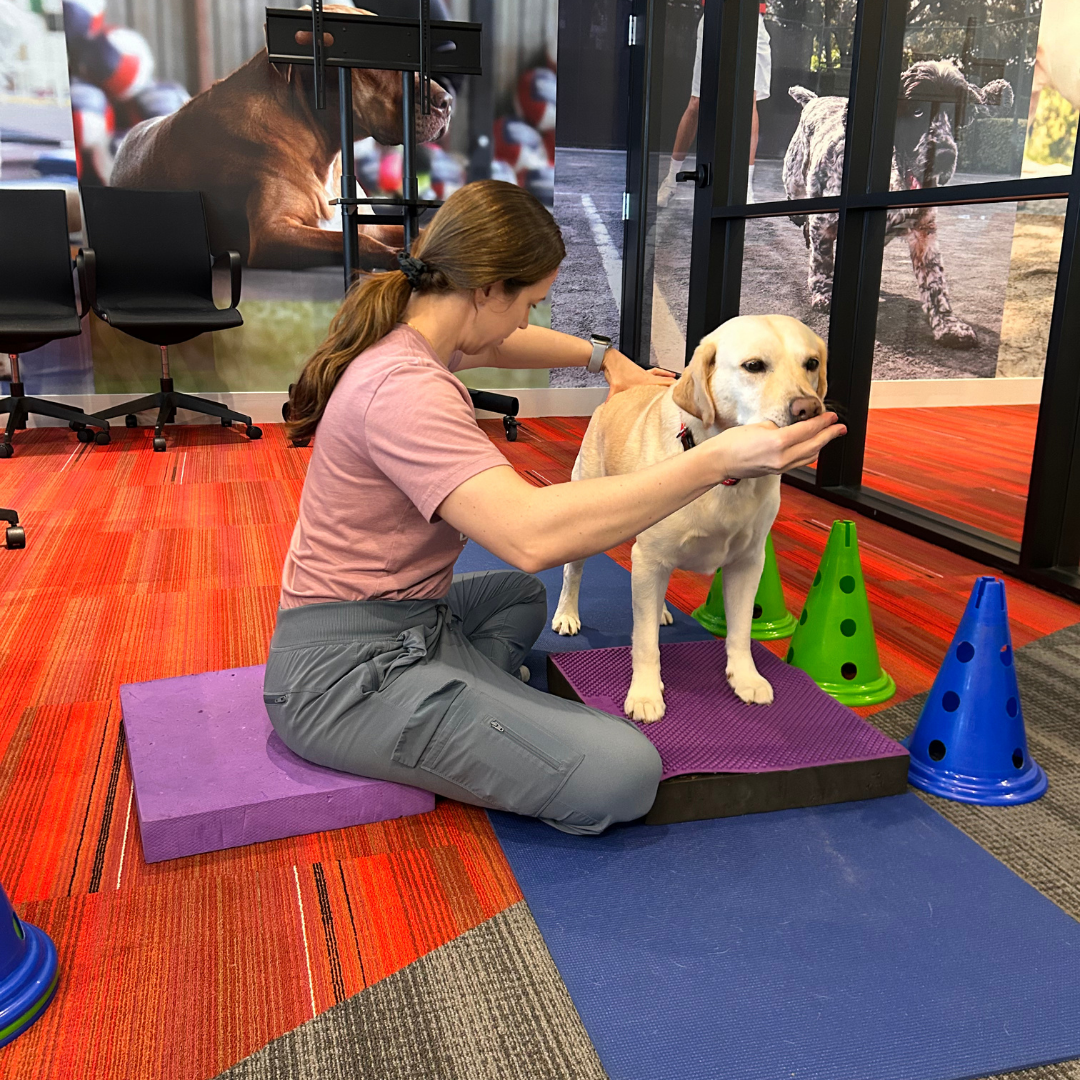
Canine rehabilitation focuses on improving a dog's function and mobility rather than just treating a medical diagnosis. While a diagnosis from your veterinarian is essential, every dog responds differently to injury and recovery. That’s why we assess each dog individually to understand how their condition affects them and create a rehabilitation plan tailored to their specific needs. We work closely with your veterinary team, who manages medical concerns and medications, while we focus on restoring strength, mobility, and overall quality of life through hands-on work and therapeutic exercise. Our goal is to help your pet move and feel better so they can get back to doing what they love with you.
-
We specialize in canine rehabilitation for intervertebral disc disease (IVDD), hip dysplasia, cruciate ligament injuries (CCL tears/ACL injuries), canine arthritis, and age-related mobility issues in senior dogs. We also help dogs recovering from orthopedic surgery, experiencing neurological disorders, or showing signs of weakness, pain, or difficulty walking. Whether your pup is recovering from injury or simply slowing down with age, our one-on-one rehab sessions help restore strength, stability, and confidence — improving quality of life through personalized care right at home.
-
Yes you do, but no worries—we take care of that for you! While we do need a referral from your veterinarian before officially starting care (per Texas law), you don’t need to track that down yourself. When you're ready to move forward, just reach out to us directly. We’ll guide you through the process, request your pup’s medical records, and handle coordination with your vet for the referral so you can focus on helping your dog feel better, faster. 💛
Everything you need to know before beginning rehab with your dog.
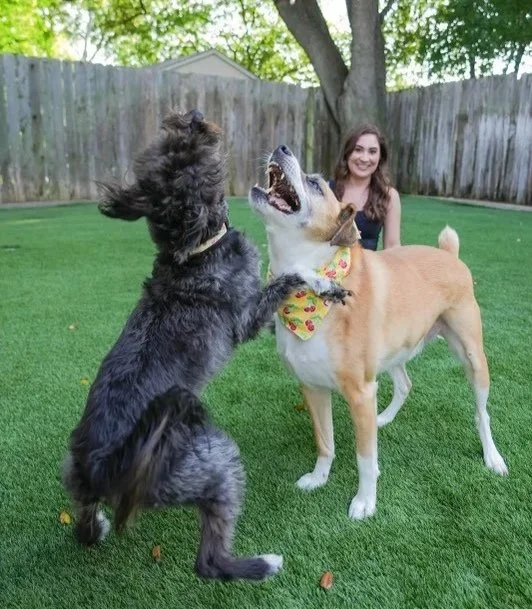
Learn what happens during your dog's evaluation, how in-home rehabilitation visits work, and how we help pet parents support progress between sessions.
What to Expect from Mobile Rehab
-
At your first visit, we come to your home so your dog can settle in and feel comfortable while we review their medical history, discuss your goals, and learn about their daily challenges. We perform a thorough hands-on assessment, including checking neuro function, assessing for pain, and evaluating strength, range of motion, and mobility. We also take a gait video to track progress over time. As we assess, we start treatment right away — this may include manual therapy, massage, or modalities like the PEMF mat to help with pain and comfort. You’ll end the appointment with a personalized home exercise plan, practical tools, and the confidence to support your dog safely and effectively. We believe in empowering pet parents and working together to help your dog move and feel their best!
-
Yes, one of the best parts of being a mobile practice is that we can always have pet parents present! We encourage pet parents to be involved in their dog's treatment and we pride ourselves on educating pet parents to do at home exercises that we teach during each session. We welcome and encourage you to sit in on each session with your dog!
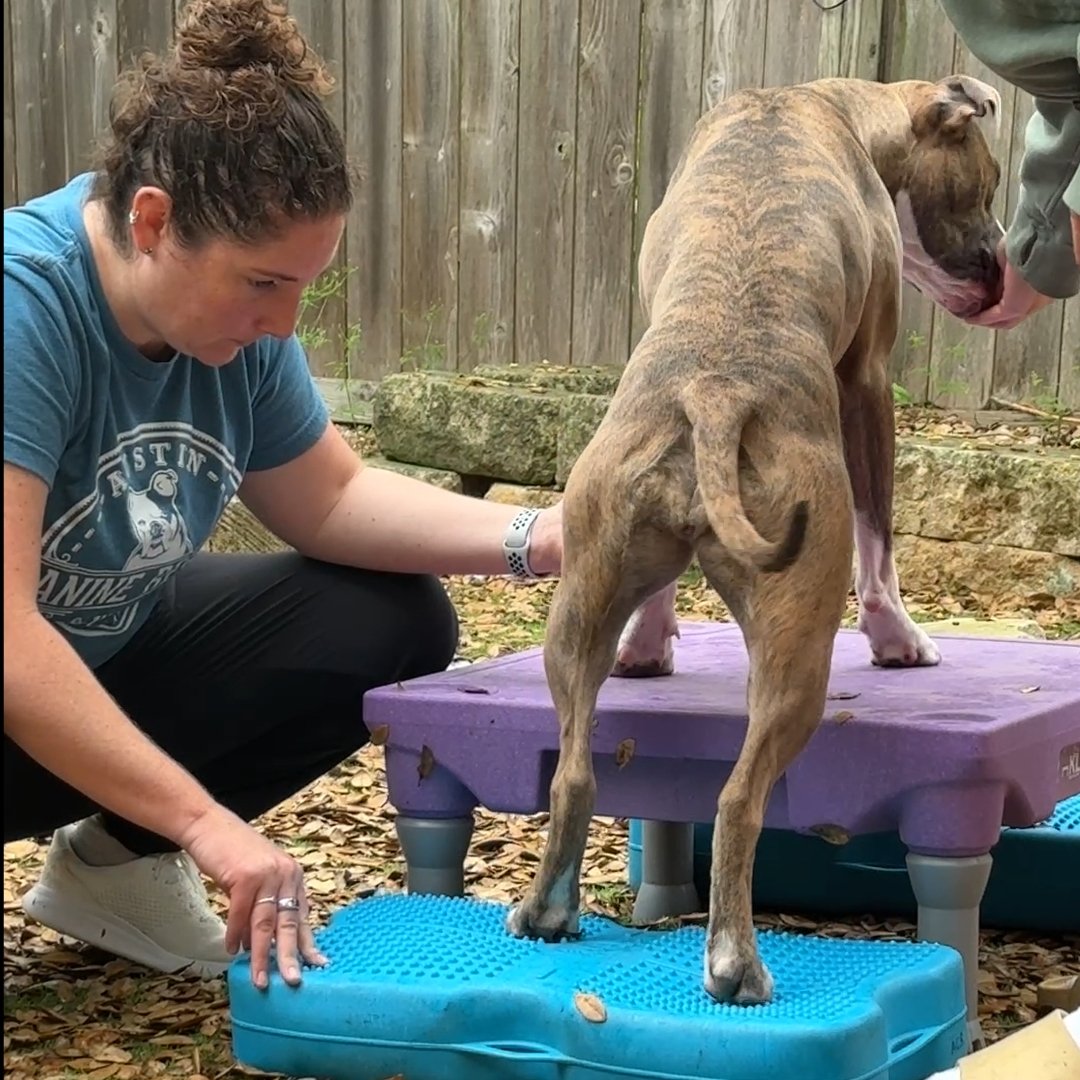
Surgery & Recovery Support
Learn how canine rehabilitation supports dog surgery recovery, restores strength and mobility, and helps your pup heal safely after surgery.
-
Just like humans, dogs who participate in rehabilitation programs after surgery are more likely to achieve an optimal outcome compared to those who skip it. Post surgical rehabilitation through activity will help keep blood pumping nutrients to the healing tissues as well as stimulating your pup’s mind to prevent boredom and depression. Getting your pup up and moving and putting weight on the post-surgical leg sooner rather than later decreases the risk of injury to the opposite leg, muscle atrophy and loss of strength on the surgical leg. A standard post-surgical CCL rehab program at Austin Canine Rehab consists of 10-14 rehab sessions in total spread over a 3-5 month period, with more frequent sessions in the first 8-10 weeks before we start spacing those sessions out as pet parents begin to progress their home exercise program.
-
We typically begin working with dogs around two weeks after surgery, once the incision has healed and your vet gives the go-ahead. That said, rehab planning can start earlier. The sooner we’re involved, the better we can help preserve muscle, reduce compensations, and guide you through the do’s and don'ts of recovery. Getting in touch with us before surgery ensures we can coordinate with your vet, set an appropriate start date, and reserve your spot before the schedule fills up.
-
We collaborate with your veterinarian to develop a personalized rehabilitation plan tailored to your dog’s needs. Our certified canine rehabilitation therapists guide you through proper exercise techniques so you can confidently support your pup at home, maximizing their progress. We also provide guidance on creating a safe home environment to reduce the risk of reinjury. What sets us apart is our focus on educating and empowering pet parents. We believe at-home exercises are a key factor in a successful recovery, and we’re here to ensure you feel equipped every step of the way. Our goal is to help your dog regain mobility and comfort while giving you the knowledge to play an active role in their recovery.
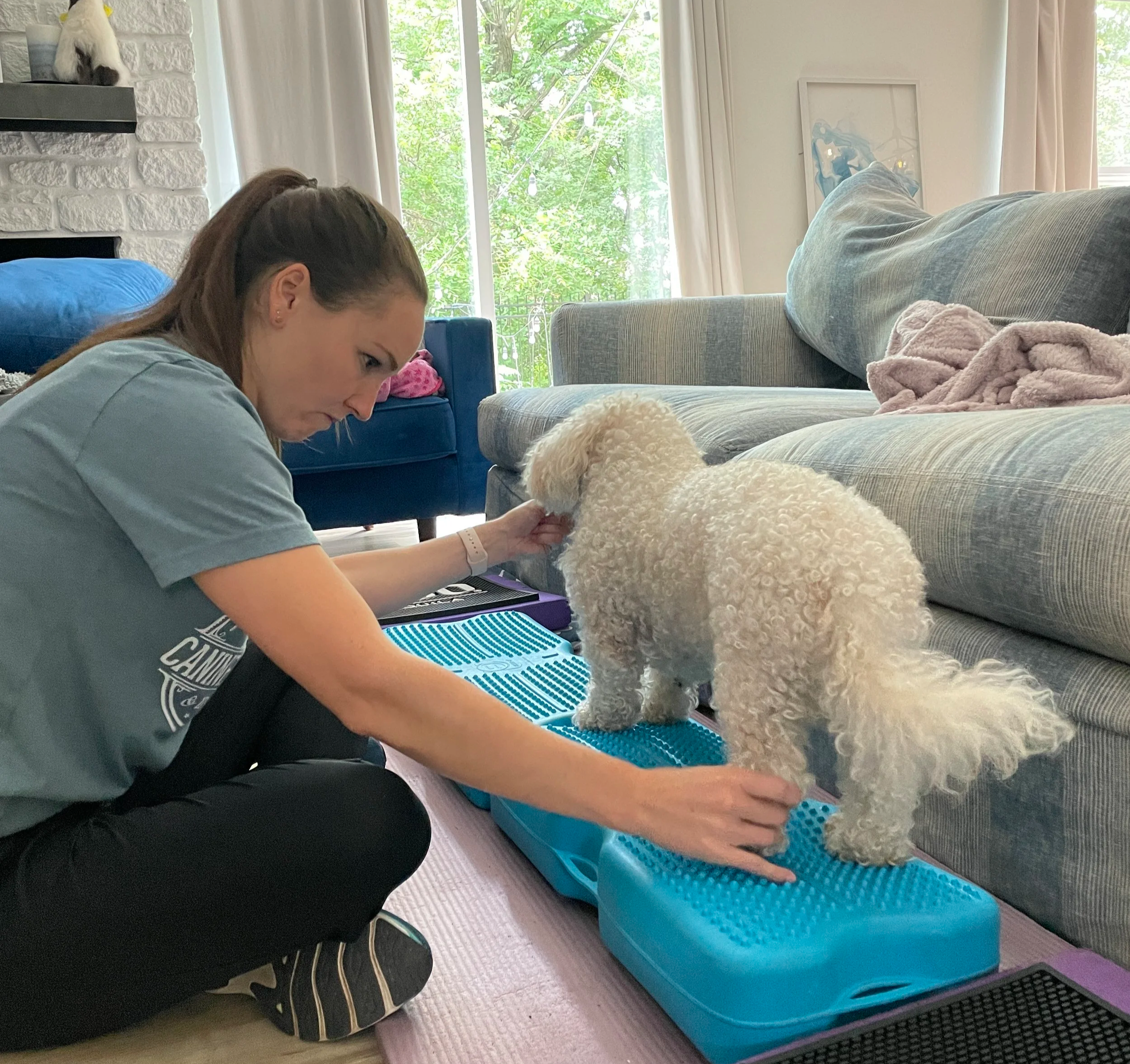
Supporting Senior Dogs
Learn how canine rehabilitation supports senior dog mobility, reduces stiffness, and helps aging dogs stay active, comfortable, and independent.
-
If your senior dog is slowing down, struggling with walks, or having trouble getting on the couch for snuggles, the best thing you can do is start a structured exercise program. At Austin Canine Rehab, we create customized plans to help aging pups rebuild strength, improve mobility, and stay comfortable. The exercises don’t have to be complicated—but they do need to be tailored and progressive. For dogs with arthritis, shorter but more frequent bouts of exercise are often best, helping to keep joints mobile without causing excess strain. With the right approach, your pup can stay active and enjoy life to the fullest!
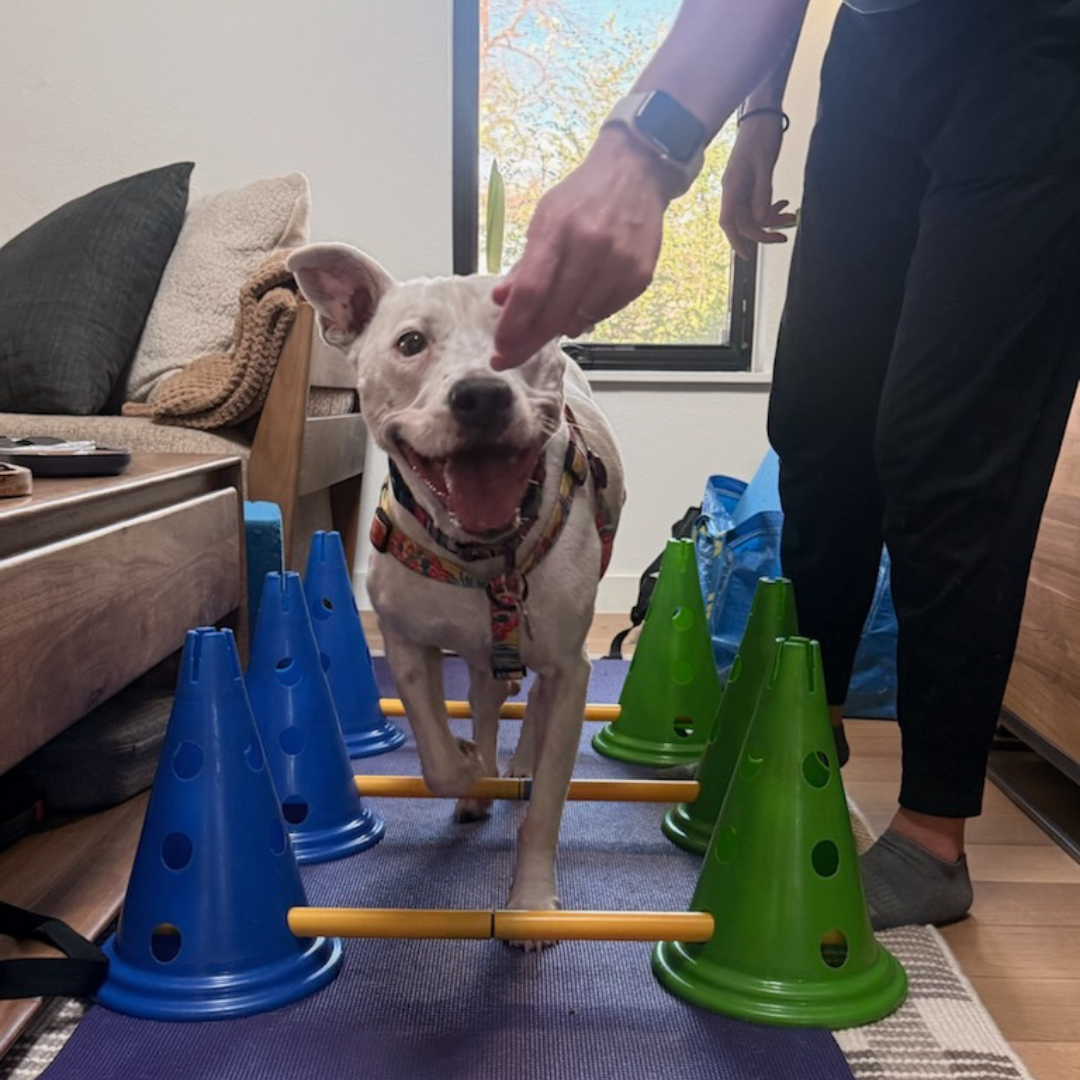
Common Conditions We Help Treat
-
To understand how rehab helps, it’s important to look at the cycle of arthritis. Arthritis is a natural part of aging—for both dogs and humans—but the key is to be proactive. Many dogs show no symptoms at first, but once stiffness or discomfort appears, it’s time to take action. The cycle begins with joint inflammation, leading to pain and stiffness. As movement becomes uncomfortable, dogs become less active. Over time, this inactivity causes muscle loss and further inflammation, putting even more stress on their joints. This increased strain leads to more discomfort and further inactivity, allowing the cycle to continue. Rehabilitation breaks this cycle by strengthening muscles, improving mobility, and keeping joints moving safely. A tailored exercise program helps maintain strength, manage pain, and keep your pup as active and comfortable as possible. The sooner we intervene, the better we can slow arthritis progression and improve your dog’s quality of life!
-
Intervertebral Disc Disease (IVDD) is a degenerative condition that affects the spinal discs, which act as cushions between the vertebrae. These discs have a tough outer layer and a soft, jelly-like center—similar to a jelly donut. With IVDD, the discs weaken over time, making them more prone to rupture or herniation. When this happens, the inner material can press against the spinal cord and nerves, leading to pain, weakness, or even paralysis. Treatment depends on the severity of the condition. Some dogs require surgery, while others can be managed conservatively with rest, medication, and rehabilitation. No matter the approach, working with a qualified canine rehab therapist is essential for recovery. Rehabilitation helps restore mobility, build strength, and reduce pain, ensuring your pup has the best chance at a happy, active life.
-
Treatment for hip dysplasia varies based on the severity and the dog’s age. While surgery may sometimes be necessary, many dogs benefit from conservative management. This approach includes maintaining a healthy weight to reduce joint stress, using joint supplements, and engaging in exercises to strengthen hip muscles and improve stability. Pain relief medications may also be used when needed. Our practice focuses on non-surgical treatments, such as manual therapy and customized exercise programs to help dogs live more comfortably. If your dog has undergone surgery, we provide post-surgical rehabilitation to aid recovery, restoring strength and mobility while minimizing discomfort. Our goal is to enhance your dog’s quality of life, whether through conservative care or post-surgical support.
Learn how rehabilitation supports dogs with arthritis, IVDD, hip dysplasia, and more.
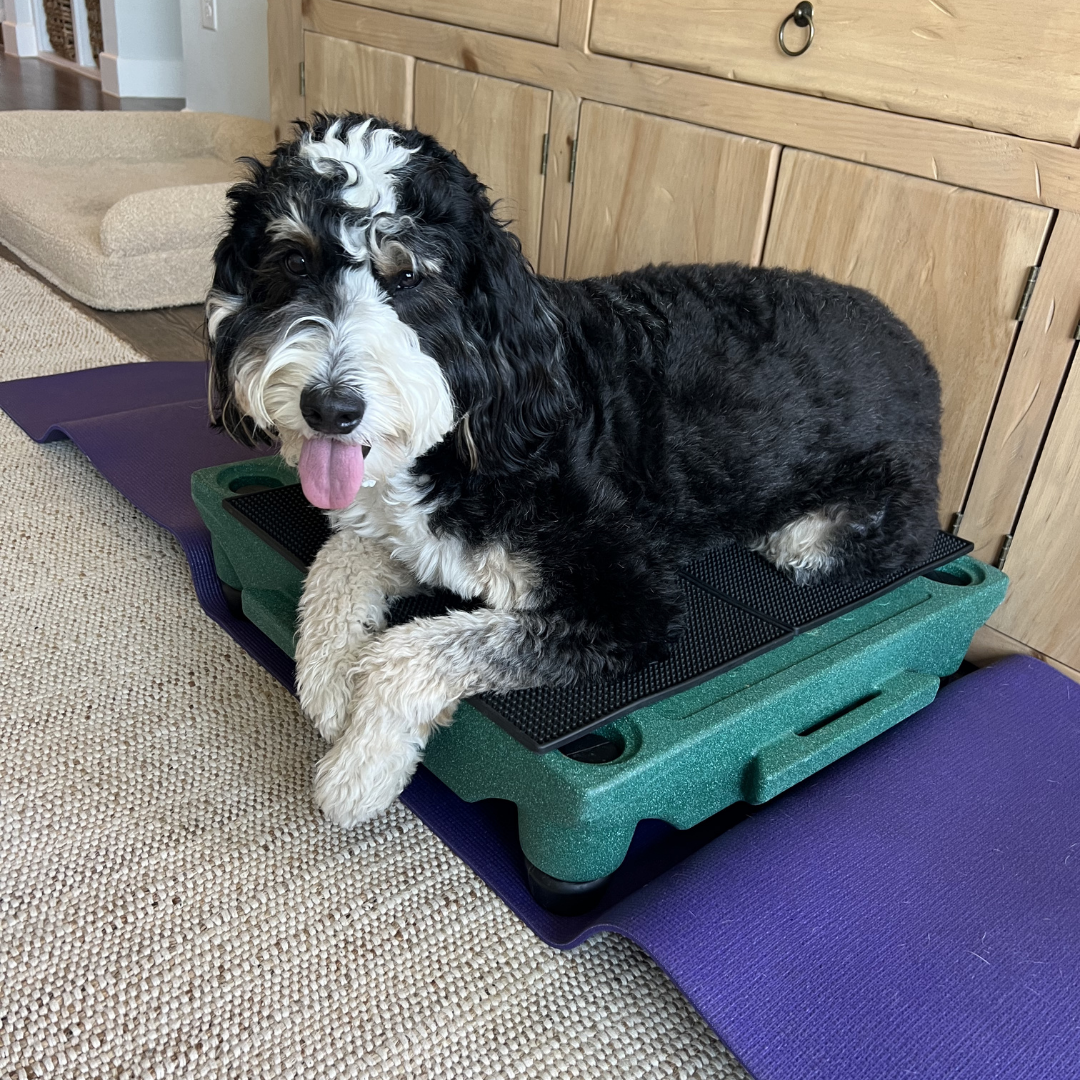
Our Approach & Philosophy
Learn about our approach to canine rehabilitation, focusing on hands-on treatment, functional movement, and long-term mobility for lasting results.
-
Absolutely! Many of our patients also see other providers such as chiropractors or acupuncturists. These therapies can be wonderful tools for comfort and pain relief, but what really creates lasting strength and mobility is a structured rehabilitation program. Through targeted exercises, hands-on techniques, and education for pet parents, we build the muscle, stability, and confidence your pup needs to stay active long after each session. We love working as part of your dog’s broader care team to make sure they get the best of all worlds.
-
Since we are a mobile canine rehabilitation practice, we do not use underwater treadmills. While these treadmills can help reduce weight-bearing for some dogs, we find that long-term recovery is better supported through customized, land-based exercises that build real-world strength, stability, and mobility. One issue with underwater treadmills is that they can limit muscle development and even allow abnormal movement patterns to continue. Plus, too much time on the treadmill can lead to overuse injuries if not carefully managed. At Austin Canine Rehab, we believe that gravity-based, functional movement is essential for lasting recovery — and that’s exactly what we focus on. If you’d like to learn more about why we prefer land-based rehab, check out our full article here: Canine Underwater Treadmills: Why We Prefer Land-Based Rehab — Dog Rehabilitation Austin TX | Austin Canine Rehab & Wellness
-
We’re a fully mobile rehab practice, which means we come to you—no stressful car rides or clinic waiting rooms with drop offs. Every session is one-on-one with a licensed professional trained in both human and canine rehab. Our programs are personalized, hands-on, and focused on helping your dog build long-term strength and independence. We also make sure you feel confident carrying the plan forward at home, because empowered pet parents are the key to successful outcomes. It's convenience, compassion, and real results—all from your front door.
Still Have Questions?
Still have questions or ready to get started? Contact Austin Canine Rehab to schedule a consultation and learn how mobile canine rehabilitation can support your dog’s recovery and long-term mobility.