Can Canine Rehab Help My Dog Avoid Surgery?
Quick Answer: Can Rehab Help a Dog Avoid Surgery?
Canine rehab can help some dogs avoid or delay surgery, but only in certain circumstances. Working with a veterinarian is important to assess the severity of the injury, the pain level, mobility limitations, and more. In some cases, surgery will be necessary, but not all injuries have to be treated with an operation when more conservative strategies are available.
When Might Canine Rehab Be Considered before Surgery?
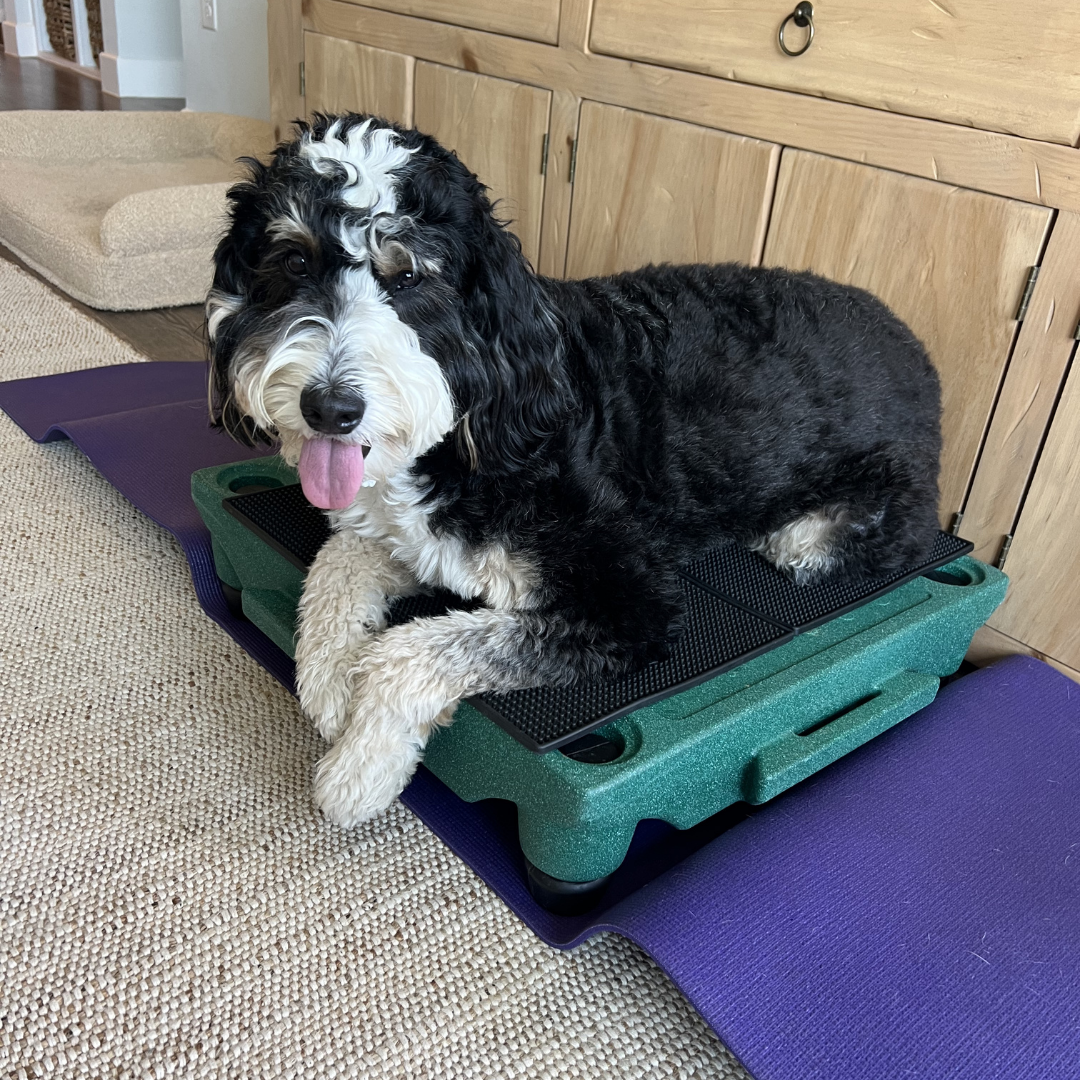
Canine rehabilitation is focused on fundamentals like movement, strength, coordination, and overall function. In some situations, such as those listed below, rehab may be considered before surgery.
A dog has only mild changes to mobility and the condition is not worsening rapidly
The injury is stable overall and not causing significant instability or neurologic compromise
The dog is managing arthritis or chronic joint stiffness
There is modest muscle weakness that is limiting movement
The dog has a CCL injury that is suitable for conservative management
Senior dog mobility decline has occurred, and a vet sees conservative care as the appropriate plan
The dog is recovering from a minor soft tissue injury
The decision whether to pursue conservative management or to turn to surgery should always involve a veterinarian, and can also be discussed with a rehab professional.
When is Surgery Still the Better or Necessary Option?
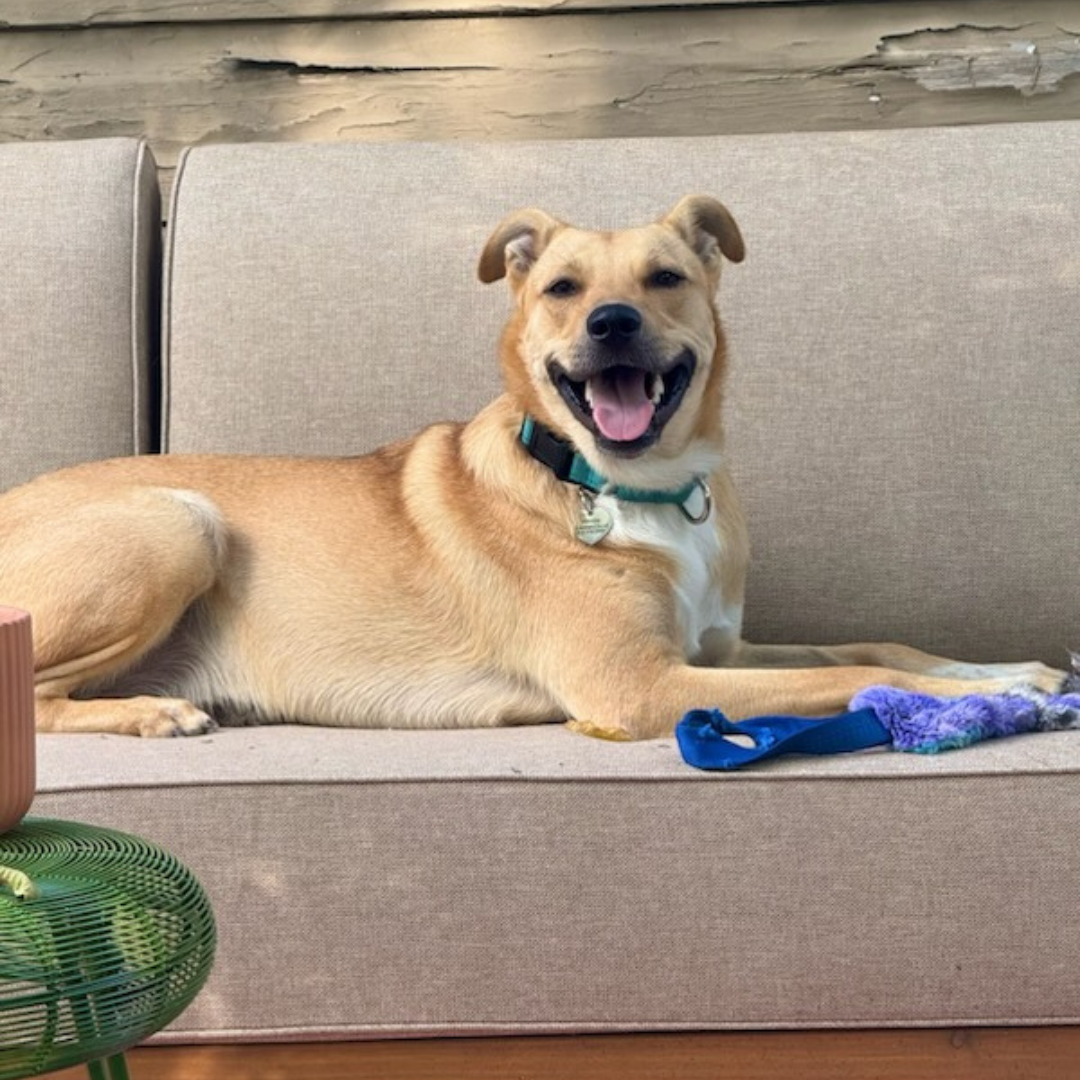
In some cases, rehab will not be appropriate as the primary treatment option. Instead, surgery may be the recommended approach, or even the only option. Some examples of situations where surgery may be required include the following:
The injury involves a severe ligament tear
One of your dog’s joints is significantly unstable
Your dog is exhibiting severe neurologic signs like paralysis or dragging limbs
The condition seems to be worsening despite conservative care tactics
Your dog is in significant pain or unable to bear any weight
Trying to use rehab alone in these situations could put your dog at serious risk of further harm. Always contact your veterinarian right away when you have concerns, as early intervention usually leads to better outcomes.
Canine Rehab vs. Surgery: How Do They Compare?
Let’s take a quick look at some of the key points when weighing how you will move forward with your dog’s care.
| Treatment Option | Best For | Pros | Limitations | When to Ask About It |
|---|---|---|---|---|
| Conservative Management | Stable injuries, arthritis, muscle weakness, mobility decline | Non-invasive, builds strength, improves function | Does not repair structural damage; not appropriate for all injuries | When diagnosis allows for the possibility of conservative management |
| Surgery | Severe tears, fractures, unstable joints | Addresses structural problems directly | Requires anesthesia and recovery; not without risks | When injury is severe, unstable, or worsening |
| Rehab Before Surgery | Dogs with a planned procedure who need conditioning first | Improves strength and recovery outcomes | Not always possible based on the specific injury and surgery timeline | When surgery is planned but not urgent |
| Rehab After Surgery | All post-surgical dogs working on recovering function | Supports health, improves range of motion, promotes return to activity | Requires commitment from dog owner | After any orthopedic or neurologic procedure |
What Does Conservative Management Usually Include?
Conservative management is an umbrella term used to describe the approach of managing a dog’s condition without surgery. Canine rehab is often included in a conservative management plan, and can include the following:
Gait and mobility assessment
Strengthening exercises
Range-of-motion work
Balance and coordination activities
Progress tracking
The key to getting the best possible results is using a plan that is customized to the needs of the individual dog. At Austin Canine Rehab, that’s something we take seriously, and each dog we care for is given a custom plan that serves their situation.
Which Dogs Are Better Candidates for Rehab Before Surgery?
Some dogs will respond well to a conservative management approach, while the same approach might not be enough for other dogs to return to health. The following points indicate that your dog might be a good candidate for this plan.
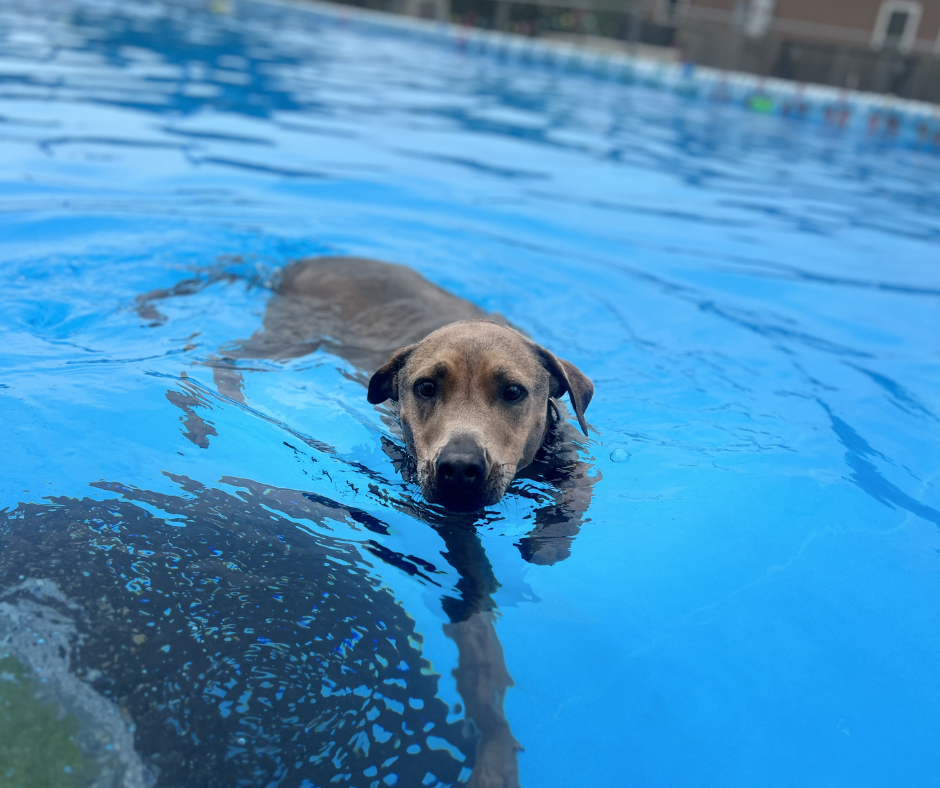
Dogs with stable symptoms that aren’t getting worse
Dogs who are still able to walk and bear their weight
Senior dogs where surgical recovery comes with added concerns
Dogs with arthritis or chronic mobility issues
Dogs for whom the vet has specifically recommended conservative management
Dogs that need strength and conditioning before a procedure is considered
Which Dogs May Not Be Good Candidates for Rehab Instead of Surgery?
In many ways, the dogs who aren’t good candidates for rehab instead of surgery are the opposite of what we listed above. So, the following should be considered warning signs that this isn’t the right path:
Dogs with severe joint instability
Dogs that can’t bear any weight on the affected limb
Dogs with worsening pain
Dogs with neurologic warning signs like loss of coordination or knuckling
Dogs with injuries that a vet has strongly recommended be treated with surgery
What Questions Should I ask Before Choosing Rehab or Surgery?
It’s always important to ask pointed questions about your dog’s health so you have a clear picture of what is going on. Don’t hesitate to ask some or all of the questions below of your vet while working on a treatment plan.
What is my dog’s exact diagnosis?
Is the injury stable or unstable?
Is conservative management medically appropriate for this condition?
What are the risks of waiting or trying rehab first?
What signs would tell me that surgery is needed?
Can rehab help my dog before or after surgery?
What outcomes should I realistically expect from either path?
How Austin Canine Rehab Helps Dogs Before and After Surgery
At Austin Canine Rehab, we can work with dogs both before and after surgery to position them for the best possible health outcomes in the long run. We have a team of certified canine rehabilitation therapists, and we work closely with veterinarians to make sure each dog’s plan is properly aligned with their overall care plan.
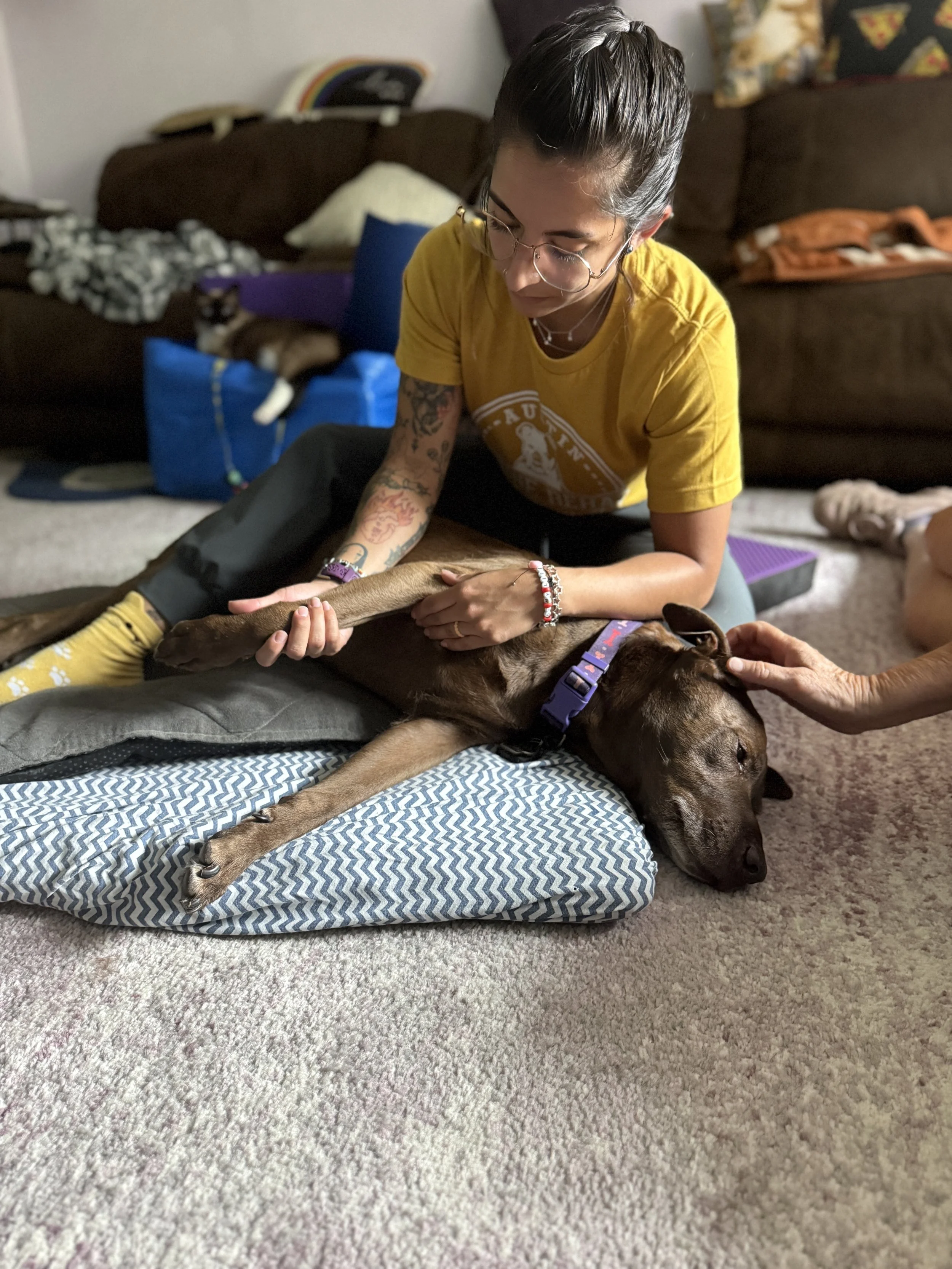
To make life easier on you and your dog, we are a mobile practice and will come to your home to work with your dog. That’s a great way to keep the dog comfortable and avoid the anxiety of riding in the car to visit an unfamiliar office. Whether your vet has already recommended conservative management or you are still weighing your options, be sure to contact us for more information.
The Bottom Line: Is Rehab a Good Alternative to Surgery?
For some dogs, yes, rehab can be an excellent alternative to surgery. In other cases, however, it won’t be appropriate and won’t be enough to return your dog to health. Of course, it’s important to remember that these aren’t mutually exclusive treatment options. Often, it will be a combination of rehab and surgery that leads your dog to the best future.
If your dog has been diagnosed with an injury or mobility issue and you want to understand all of your options, contact Austin Canine Rehab to schedule an evaluation and discuss whether conservative management may be appropriate.
FAQs About Canine Rehab and Surgery
-
In some cases, rehab can help dogs either avoid or delay surgery. This is particularly true when the injury is stable and conservative management techniques are applied properly. With that said, rehab is not a universal replacement for surgery, and some injuries will require surgical repair to fully resolve.
-
You need to work with your veterinarian to have the injury diagnosed properly. From there, a determination can be made regarding whether surgery or conservative care is the right way to go.
-
In some cases, yes. Often referred to as “prehab,” providing your dog with rehabilitation care ahead of a surgery can improve strength, mobility, and overall conditioning. The timing won’t work for this approach in all cases, but it is something to consider when making a care plan for your dog.
Prehab can be especially helpful for anxious or nervous dogs to help them learn and get comfortable with the rehab process before undergoing surgery which can be disorienting.
-
Yes, this is a classic use case for canine rehabilitation. Once the procedure is complete, rehab can help with healing, restoring range of motion, rebuilding lost muscle, and much more. When a consistent rehab plan is followed regularly, dogs have an excellent chance to return to full health in a timely manner.
For most surgeries, rehab can start as early as two weeks after the date of surgery.