Can Canine Rehab Reduce My Dog’s Reliance on Pain Medication?
Canine rehab for pain management can help dogs move more comfortably, build strength, and potentially reduce their use of pain medication over time. However, rehabilitation should not be seen as a replacement for medication, and any changes you make to your dog’s medication should be done by working with your veterinarian.
What is Canine Rehab for Pain Management?

Canine rehabilitation is a specialized field focused on improving the strength, mobility, and coordination of a dog.[1] When used with the goal of managing pain, canine rehab can help by addressing the underlying physical causes of discomfort. Meaningful improvements in joint range of motion, muscle strength, balance, and coordination can all contribute to more comfort and a better quality of life.
How Does Veterinary Rehab Support Pain Management?
As mentioned above, canine rehab can be effective for pain management in the way it addresses problems from the inside out. Where medication is largely used to mask pain, rehab seeks to solve problems that are leading to that point. Some examples can be seen below.
Building Strength to Support Painful Joints
If a joint hurts, it isn’t used as often, and the muscles around it will weaken over time as a result. In turn, that muscle loss tends to make the underlying problem worse, and the cycle continues. Rehabilitation can help by rebuilding strength to create better mechanical support for the affected joint.
Improving Mobility and Daily Function
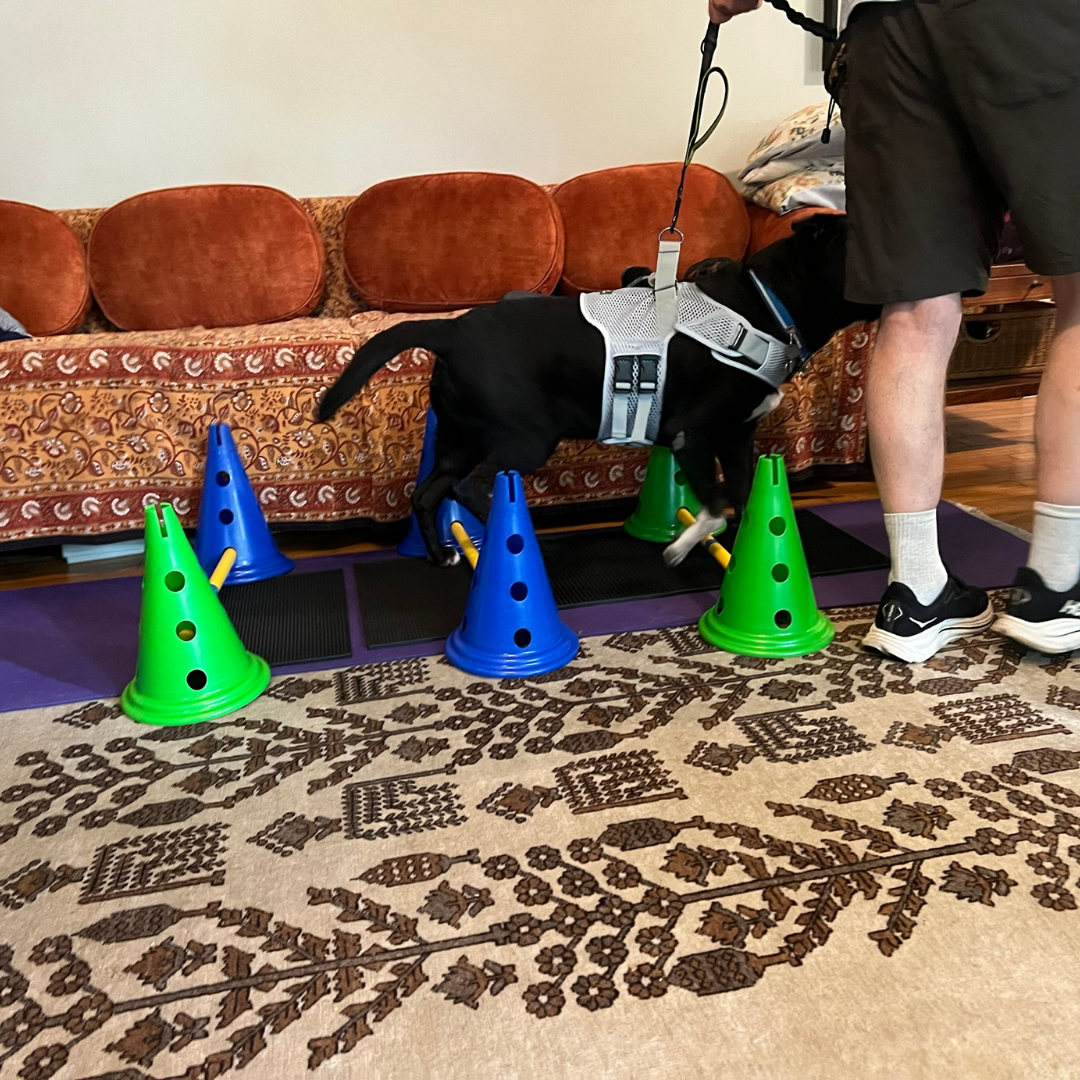
When dogs can move easily, they tend to move regularly. And, of course, the opposite is also true. Rehab can improve mobility through gait training, range of motion improvement, and other steps, with the end result being a significant upgrade in quality of life.
Restoring Healthy Movement Patterns
Dogs naturally adjust their movement patterns in order to get away from pain as best they can. Unfortunately, these compensations can lead to problems in other areas that weren’t initially affected. Canine rehab plays a major role in returning the dog to proper movement so those secondary issues don’t get any worse.
Supporting Long-Term Recovery
Rehabilitation is an effective long-term recovery strategy for conditions like arthritis that don’t have a one-time fix. Consistent rehab sessions along with a home exercise program can keep your dog on track for a healthy, happy future.
Can Canine Rehab Reduce Pain Medication?
In many cases, yes, canine rehab can eventually reduce a dog’s reliance on pain medication to stay comfortable and active. That result shouldn’t be expected right away, and it won’t work that way for all dogs. It’s best for dog owners now to look at medication and rehabilitation as an either/or situation, but rather as two different tactics that can both be used effectively in various ways.[2] Here’s a chart that should help explain the situation more clearly.
| Approach | Primary Role | Limitations | Best Used |
|---|---|---|---|
| Pain Medication | Reduce pain and inflammation | Long-term use carries potential side effects | For active pain and inflammation management under vet guidance |
| Canine Rehabilitation | Build strength, improve mobility, support function | Does not directly suppress pain signals | As an ongoing complement to medical management |
| Combined | Address pain and function simultaneously | Requires coordination between vet and rehab team | Most effective approach for chronic conditions and post-surgical recovery |
Which Dogs Benefit Most from Pet Rehabilitation?
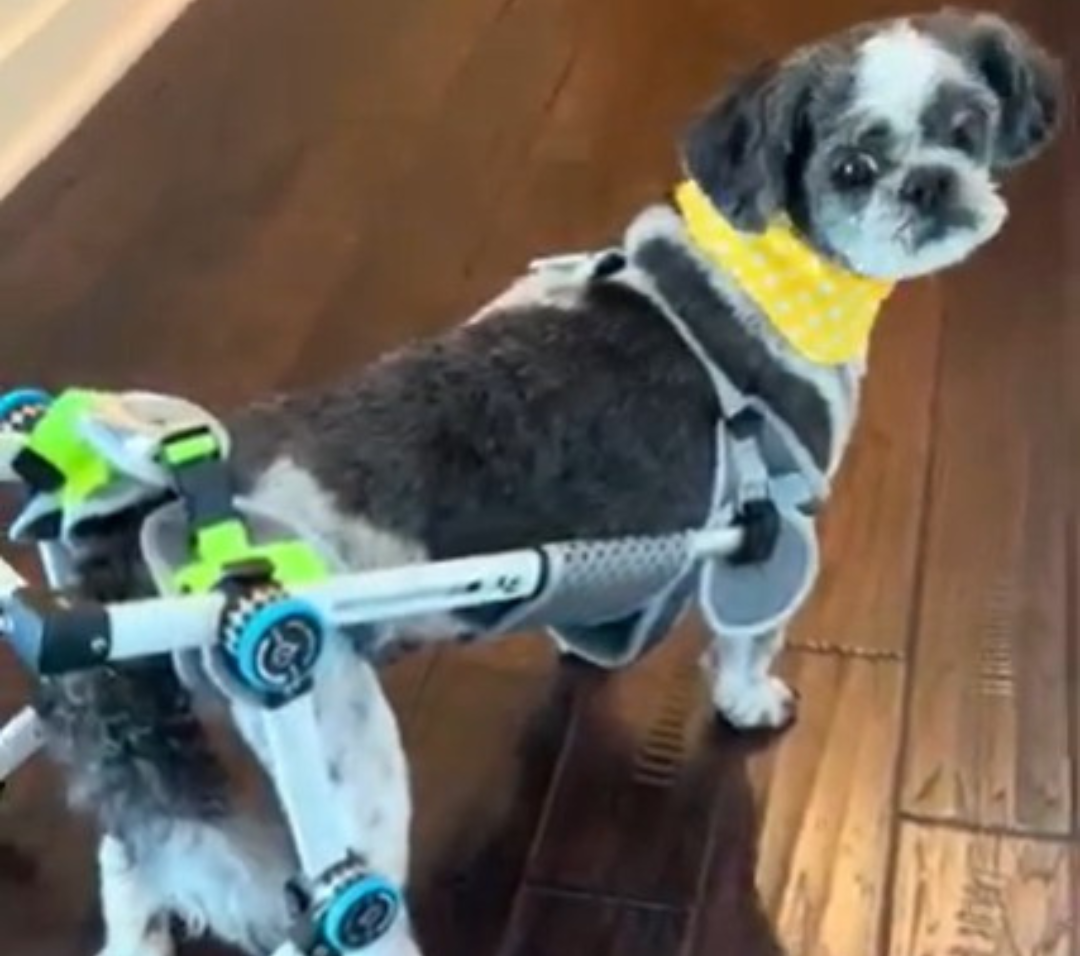
A wide range of dogs and many different types of conditions will be a good fit for rehabilitation. Here is a quick look at some of the many categories that rehab can serve.
Arthritis
Dogs with arthritis are commonly referred for canine rehab. The therapeutic exercises can help maintain joint mobility and build the kind of supportive muscle mass that arthritic joints rely on to keep working.
Dog Injury Recovery
When dogs are recovering from soft tissue injuries like sprains and strains, structured rehabilitation can play a key role in getting them healthy once again.
Orthopedic Surgery Recovery
Post-surgical rehab is one of the best use cases for this type of treatment. Canine rehabilitation will commonly be called for after procedures such as TPLO, CCL repair, or hip surgery.
Neurological Conditions
There are a number of neurologic conditions that can affect dogs, including hind leg weakness, IVDD, and degenerative myelopathy. While rehab doesn’t directly treat those conditions, it can help to maintain balance and coordination.
Senior Dogs
For senior dogs, it’s often a variety of conditions that lead to physical challenges, including arthritis, muscle loss, and a general decline in coordination. Many owners of senior dogs report significant improvements in their pets after they begin rehab treatment.
Athletic and Sporting Dogs
If you have a highly active dog, including those who take part in agility competitions, rehab services can help improve the recovery process and optimize physical performance.
What Treatments May Be Included During Physical Rehabilitation?
At Austin Canine Rehab, we always customize the treatment plans we use for every dog to make sure their individual needs are met. The plan we craft for your dog may include many of the following components:
| Treatment | Primary Purpose |
|---|---|
| Therapeutic Exercise | Build strength, endurance, and controlled movement |
| Manual Therapy | Decrease pain, improve tissue mobility and joint range of motion |
| Balance and Coordination Training | Support stability and reduce fall risk |
| Gait Training | Correct compensatory patterns and improve movement quality |
| Pulsed Electromagnetic Field Therapy | Support circulation and comfort in healing tissues |
| Home Exercise Program | Reinforce progress between sessions with owner-guided activity |
Benefits and Limitations of Canine Rehabilitation
While canine rehabilitation is extremely valuable for countless dogs, it’s important to understand what it can do, and what limitations come along with it. This chart lays out what you need to know.
| Potential Benefits | Things to Keep in Mind |
|---|---|
| Improved mobility and comfort | Results take time, with programs spanning weeks to months |
| Stronger muscle support around affected joints | Every dog responds differently |
| Better movement quality and reduced compensation | Owner consistency with home exercises matters significantly |
| Improved quality of life and daily function | Severe or progressive conditions may have limited outcomes |
| May support reduction in pain medication over time | Medication should never be stopped or changed without vet approval |
| Non-invasive and generally well-tolerated | Requires regular appointments and owner commitment |
Common Mistakes Dog Owners Make During Recovery
Even dog owners with the best of intentions can make mistakes from time to time. Those mistakes can wind up slowing the dog’s progress, so we wanted to highlight them here to help you avoid these outcomes.
Stopping pain medication without talking to your vet
Skipping or inconsistently doing home exercises
Returning to full activity too soon
Missing follow-up appointments
Ignoring the subtle signs of pain like changes in gait
Myth vs. Fact
There are a few common misunderstandings among dog owners when it comes to rehab and pain medication. This chart should help to clear things up.
| Myth | Fact |
|---|---|
| Rehabilitation replaces pain medication | Rehab complements medication, and your vet should determine all medication decisions |
| Older dogs can’t benefit from rehab | Senior dogs frequently see meaningful improvement in mobility and comfort through tailored canine rehab |
| If there is no improvement right away, rehab is not working | Most rehabilitation programs take weeks to months to show meaningful and functional results |
| Rehab is only for dogs who have had surgery | Rehab benefits dogs with arthritis, neurologic conditions, chronic pain, injury recovery, and more - regardless of surgical intervention |
When Should You Call Your Veterinarian?
If your dog shows any of the following concerning signs, contact your veterinarian right away to get assistance.[3]
Sudden worsening of pain or a change in pain behavior
Loss of mobility including the inability to rise, walk, or bear weight
Possible medication side effects leading to vomiting, decreased appetite, or lethargy
Neurological changes to include stumbling, knuckling, loss of coordination, or a dragging limb
Appetite and behavioral changes that come on without explanation
Frequently Asked Questions
-
No, rehab should not be seen as a substitute for pain medication. It is, however, an excellent complement, and the two can work together to help a dog recover. If your pet is currently on medication, don’t stop or change the dosage without working directly with your vet first.
-
This depends entirely on the pet’s condition. It’s common for post-surgical recovery programs to last eight to twelve weeks, but that’s just a general guideline rather than a hard rule. In some cases, chronic conditions like arthritis will require ongoing maintenance rather than a defined time period for a rehab program.
-
Absolutely. Most senior dogs are excellent candidates for canine rehabilitation, as the process is generally quite gentle and can be adapted to the dog’s age and physical condition. When done properly, a tailored rehab program can help a senior dog maintain muscle mass, mobility, and comfort as they age.
-
Yes, and rehab is one of the most common recommended components of an arthritis management program. To be clear, rehab does not cure arthritis, but it does help maintain joint mobility, build supportive muscle strength, and reduce compensation patterns.
-
This term refers to using more than one approach at a time to address various aspects of pain. In dogs, this can mean using rehabilitation therapy along with medication, weight management, and potentially things like acupuncture, as well.
-
The timing of starting rehab depends on the recommendations of the surgeon and the specific procedure that was performed. In some cases, gentle rehabilitation can begin within days of the operation, with a more structured program getting underway after additional healing has taken place. We typically see dogs at 2 weeks post-op for rehab in the home.
-
No. Various factors influence the individual response of a dog to rehab therapy, including their age, the severity of the condition, weight, temperament, consistency with at-home exercises, and more. Some dogs will see dramatic improvement in a short time while others will make more modest, steady progress.
Glossary of Terms
-
Specialized veterinary field focused on improving a dog’s strength, mobility, coordination, and function. Individualized therapeutic exercises are used to work toward established health goals.
-
This approach combines a number of treatment strategies to help a dog deal with the pain they are experiencing. These can include medication, rehabilitation therapy, weight management, and other supportive modalities.
-
This stands for Nonsteroidal Anti-Inflammatory Drugs, which is a common class of medications used in dogs to reduce pain and inflammation. These medications can be recommended by a vet for a number of reasons, including dealing with arthritis and post-surgical pain.
-
A dog’s ability to move comfortably and functionally when faced with typical daily activities such as walking, standing up, climbing stairs, and transitioning between positions.
-
The loss of muscle mass and strength that often occurs when a dog reduces activity level for a period of time. That reduction in activity can be due to pain, injury, illness, or any of a number of other causes.
-
The degree of movement available at a joint. Maintaining and improving range of motion is a primary focus of canine rehabilitation, particularly after a dog goes through surgery, or for a dog dealing with a chronic joint condition.
-
This non-invasive supportive modality uses electromagnetic pulses to support circulation and comfort in healing tissues. PEMF is sometimes incorporated into an overall canine rehabilitation plan.
-
A professional who has completed a credentialing program in canine rehabilitation and has passed qualifying examinations. This designation indicates that the individual has specialized training in movement, therapeutic exercise, and recovery for dogs.
Key Takeaways
Canine rehabilitation can help reduce reliance on pain medication over time, but all medication decisions should be made in collaboration with your veterinarian.
Rehabilitation therapy works best as part of a multimodal pain management plan rather than as a replacement for medical care. [4]
The most common conditions that benefit from canine rehab include things like arthritis, post-surgical recovery, orthopedic injuries, neurologic conditions, and age-related mobility decline.
Realistic expectations are important, as most rehab programs will take weeks or months and results will vary between dogs.
Owner consistency with home exercises and follow-up appointments is one of the biggest factors in achieving a successful outcome.
Conclusion
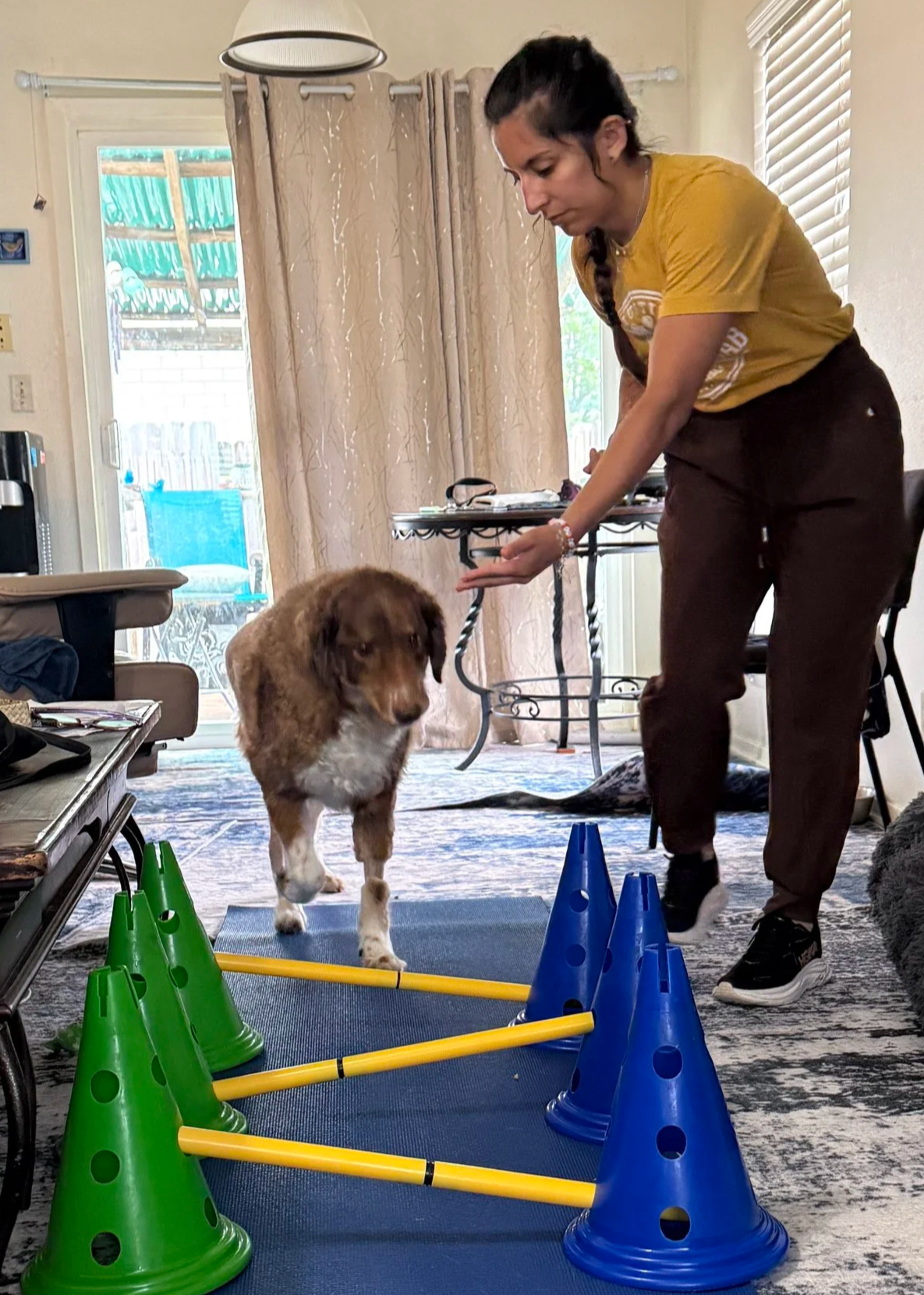
Without a doubt, canine rehabilitation can play a meaningful role in pain management for many dogs. It shouldn’t be seen as a magic solution, but it is absolutely a practical way to address the physical factors that contribute to both pain and reduced quality of life.
If your dog is dealing with chronic pain, recovering from a recent surgery, or just generally showing signs of slowing down, talk to your vet about the potential of using canine rehabilitation as part of an overall care plan. And, when you are ready to get started, make sure Austin Canine Rehab is your first call.