Acupuncture, Chiropractic, Laser Therapy, and Rehab: How Do They Work Together?
Acupuncture, chiropractic care, laser therapy, and canine rehabilitation serve different, but sometimes complementary, roles in a dog’s recovery. Canine rehabilitation is focused on restoring strength, mobility, and function. Chiropractic care targets joint mobility, laser therapy can support healing through reduced inflammation, and acupuncture can assist with pain management. Some veterinarians will recommend combining these therapies as a multimodal approach at various times based on a dog’s diagnosis.
Dog Physical Therapy vs. Canine Rehabilitation: Understanding the Difference
Dog owners regularly search for the term "dog physical therapy" when looking for ways to help their pets recover from surgery, injury, arthritis, or neurologic conditions. Within the veterinary rehabilitation profession, however, the more commonly used term is canine rehabilitation (sometimes called canine physical rehab).
While many people use these terms interchangeably, "physical therapy" is a legally protected professional term, so you'll often see canine rehabilitation used to describe these services.
Regardless of the terminology, the goal is the same: helping dogs regain strength, improve mobility, reduce pain, and return to the activities they love.
What Does Canine Rehabilitation Do for Your Dog?
Canine rehabilitation involves the functional recovery components of your dog’s care. When you work with a certified canine rehabilitation therapist, such as those here at Austin Canine Rehab, your dog’s movement will be analyzed, areas of weakness or compensation will be identified, and a plan will be crafted to suit your pet’s specific needs.
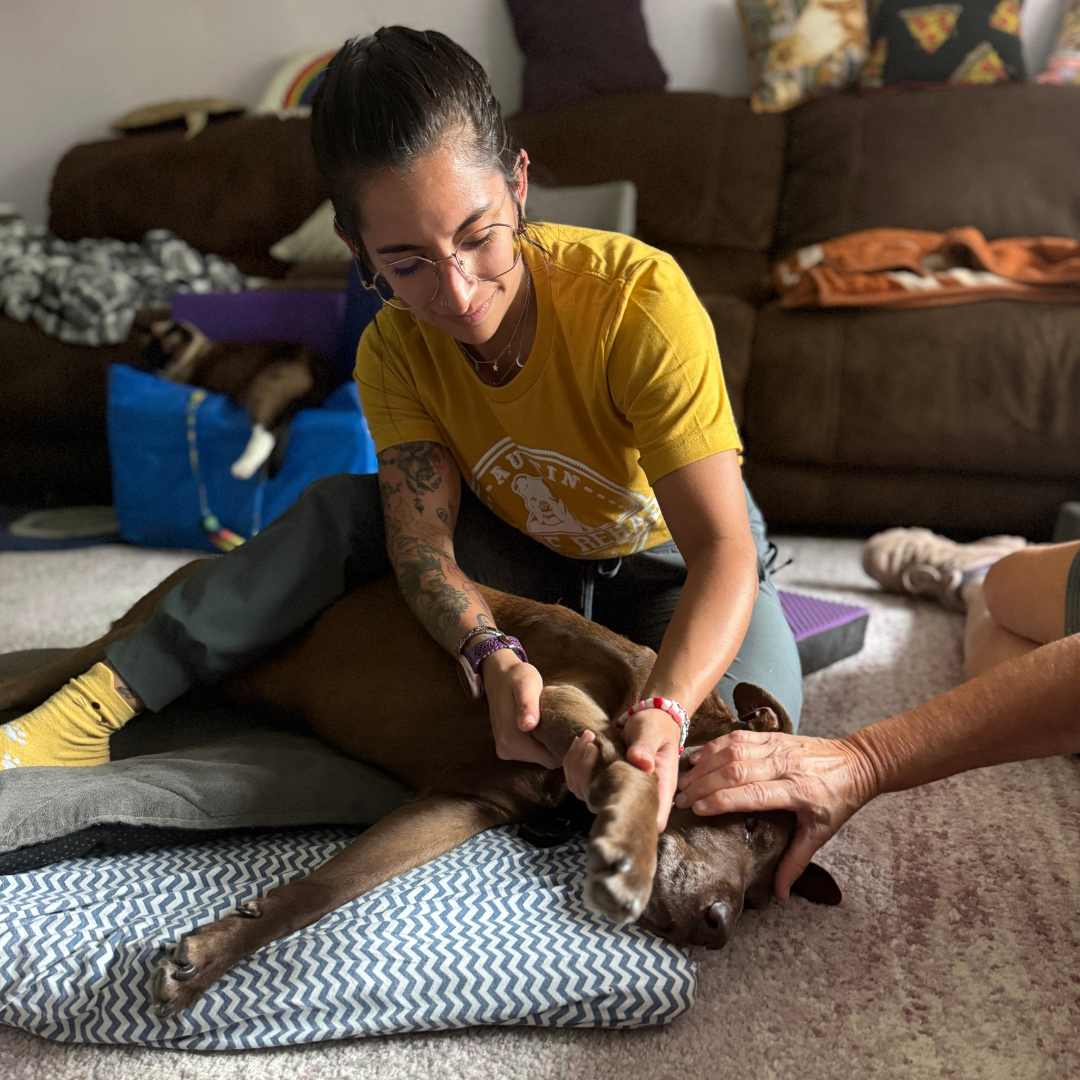
Canine rehab can help dogs accomplish a number of goals:
Improve mobility after surgery, injury, or illness
Build strength in weakened muscle groups
Increase flexibility and range of motion in stiff joints
Improve balance and coordination
Recover after surgery
Manage arthritis and senior dog mobility challenges
Support hind leg weakness and IVDD recovery
Improve quality of life across every life stage
What Does Acupuncture Do?
Acupuncture is a therapy that involves placing very thin needles into specific points of the body. Modern research shows that acupuncture can stimulate nerves, boost blood flow, and trigger the release of natural pain-relieving compounds in the body. [1]
For dogs, acupuncture is commonly used to help manage chronic pain. That pain may originate from causes such as arthritis and hip dysplasia, among other conditions. It can be recommended as a complement to pain management strategies, particularly after surgery, or it can even be a drug-free choice for dogs who aren’t able to tolerate some medications.
It is important to understand that acupuncture does not rebuild muscle, restore strength, or teach the body how to move differently, which is where rehab comes into the picture. So, to pursue a more complete recovery, pairing acupuncture or other treatments with canine rehab may prove to be the best course of action.
What Does Chiropractic Care Do for Dogs?
Much like chiropractic care that is provided to humans, veterinary chiropractic care is manual therapy that applies controlled, targeted force to specific joints. When joints in the spine or extremities lose their normal mobility, it can affect nearby nerves and lead to pain, poor posture, or awkward movement.
Veterinary chiropractic care can help dogs with back or neck stiffness, as well as dogs who are showing compensatory movement patterns after injury. It can also be used to help senior dogs who may be dealing with reduced spinal mobility. [2] As with all forms of treatment, chiropractic care is not going to be the right choice for every dog, so it’s important to work with your vet to determine if this is a path worth exploring for your pet.
What Does Laser Therapy Do?
With laser therapy, specific wavelengths of light will be used to penetrate your dog’s tissue and stimulate a cellular response that can support healing. Laser therapy, which may also be referred to as photobiomodulation, has been shown in some studies to have the potential to improve tissue healing, reduce inflammation, and restore blood flow. It may also help some dogs with pain relief. [3]
As we have seen in the discussion of chiropractic care and acupuncture above, laser therapy should also not be seen as a replacement for canine rehab. It does not have the same goals of rebuilding strength or restoring function, so while it can be used alongside rehab in some cases, it is not in any way a replacement.
Why Dogs Often Recover Better When Treatments Work Together
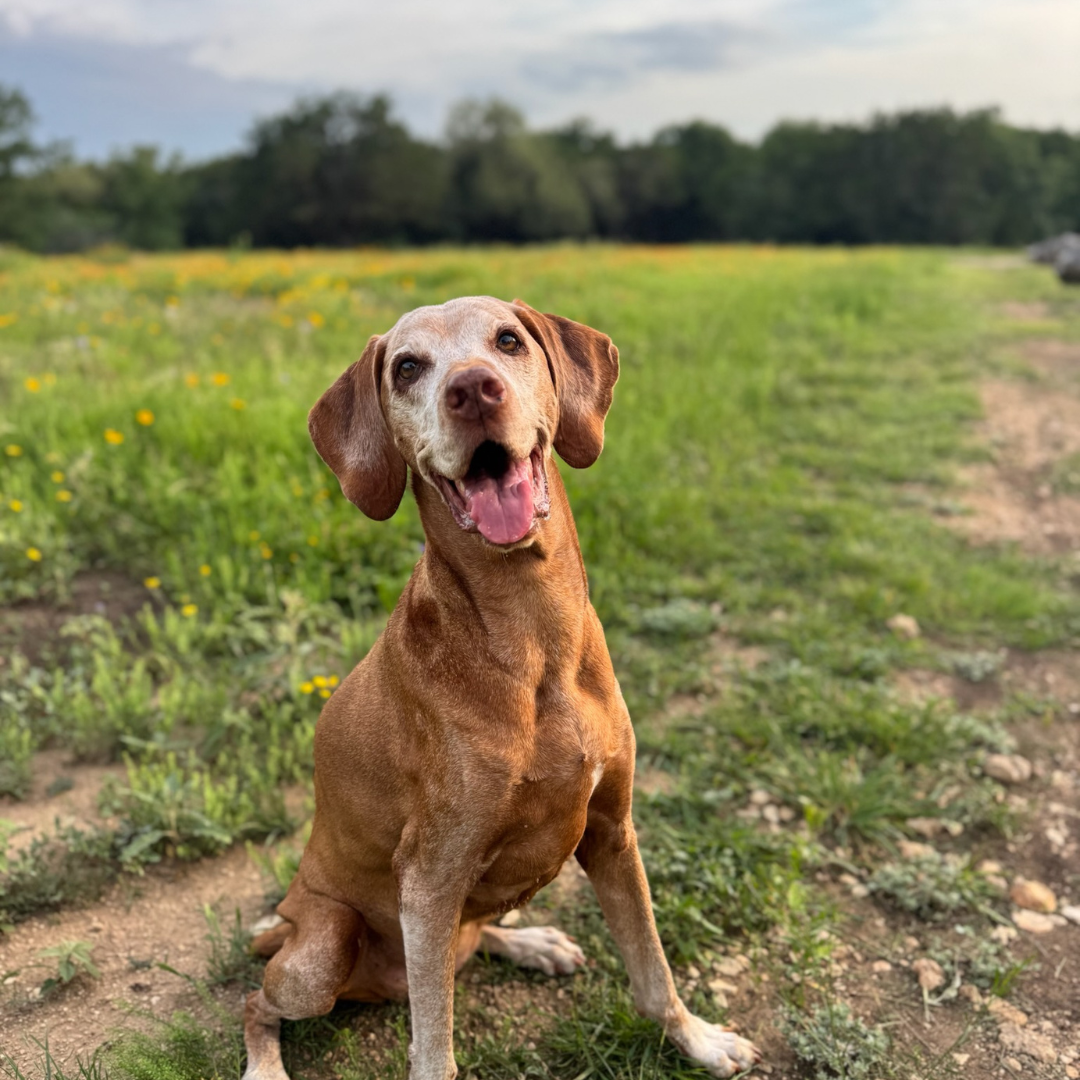
The health conditions that impact your dog rarely have one neat and tidy solution. Whether it’s recovery from surgery, injury, or a chronic condition, there are often various treatments that can play a role in the process. Of course, it works best when the right treatments are selected and used in a way that is complementary to each other. The chart below outlines how this might work.
| Therapy | Primary Purpose | Common Benefits | How It Works with Rehab |
|---|---|---|---|
| Canine Rehabilitation | Restore function | Strength, mobility, coordination | Foundation of recovery |
| Acupuncture | Pain management | Comfort, relaxation | May help dogs rehab more comfortably |
| Chiropractic Care | Improve joint mobility | Range of motion, posture | May support movement freedom and quality |
| Laser Therapy | Healing support | Reduced inflammation, tissue healing | Can complement rehab goals |
| PEMF | Support recovery | Comfort and circulation support | May be incorporated into rehab plans |
Recovery After Surgery Often Includes Multiple Therapies
If your dog has to have surgery, the recovery period is incredibly important in determining the long-term outcome that is reached. Operations like TPLO and CCL repairs have excellent track records for good results, but your dog will only reach their best possible outcome if the healing process is supported by the right types of therapies.
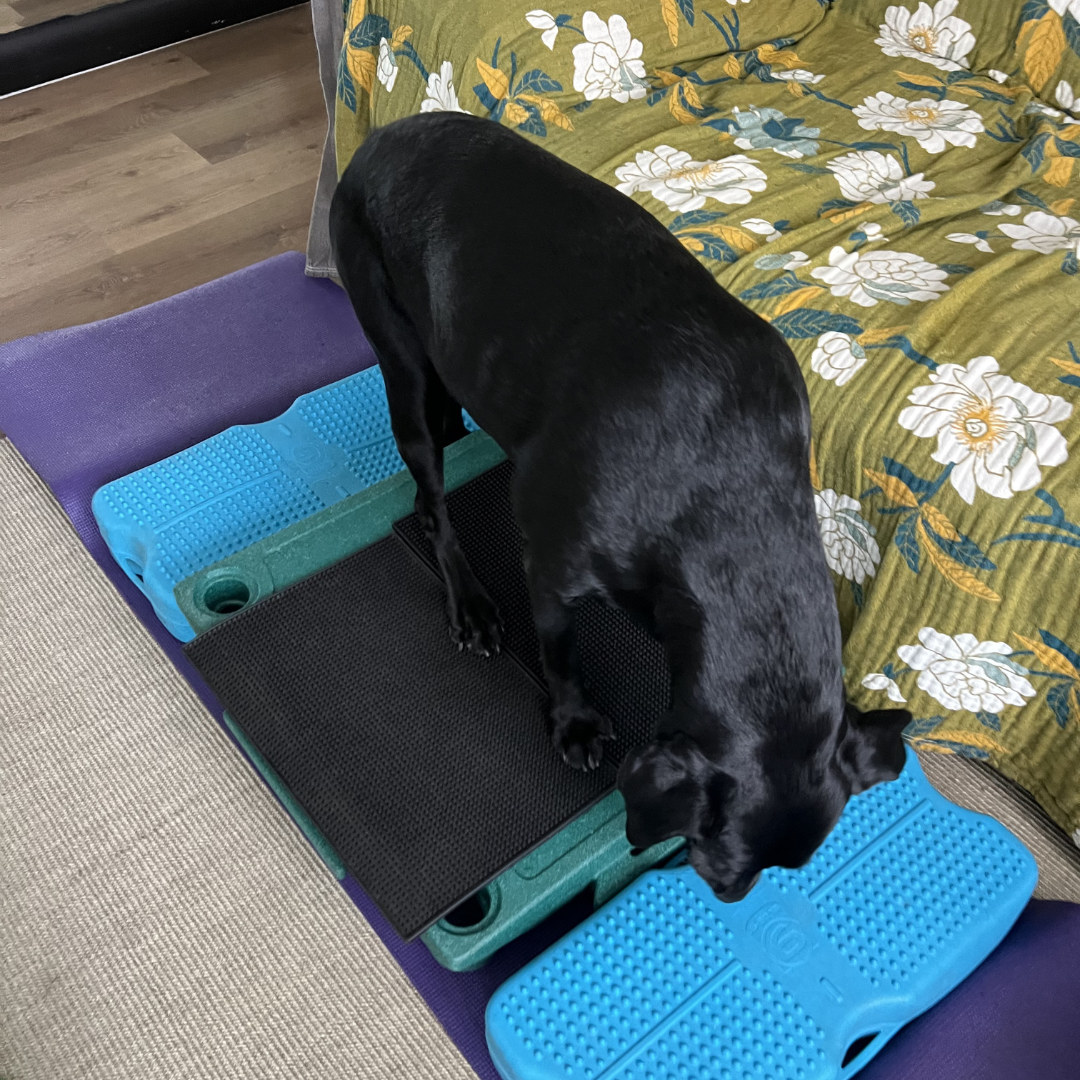
In the immediate aftermath of the surgery, rest and pain management will be at the top of the agenda. As time passes and you get into the first few weeks of recovery, the attention starts to shift toward rehab sessions that feature controlled movements and rebuilding function. Laser therapy or acupuncture may be recommended at this time, along with the rehab work. Later on, once meaningful progress has been made, your vet may recommend chiropractic work or other modalities to help make further progress.
Myth vs. Fact
We’ve already cleared up some common misconceptions on this page by providing useful information about these various treatments. This chart should help you understand a little more about the topic and help you decide on the right path for your dog.
| Myth | Fact |
|---|---|
| One therapy can solve every mobility problem | Many dogs benefit from a combination of treatments tailored to their diagnosis. |
| Acupuncture replaces canine rehab | Acupuncture may help manage pain, but it does not restore muscle strength. |
| Every dog needs chiropractic care | While chiropractic care is appropriate for some dogs, it is not suitable or necessary for all. |
| Laser therapy alone rebuilds muscle strength | The goal of laser therapy is to support tissue healing and reduce inflammation, but rehab exercises are also needed for strength gains. |
Frequently Asked Questions
-
Yes, many veterinarians recommend combining these therapies when appropriate for the dog in question. Acupuncture may help to manage pain, which could in turn make your dog more receptive to rehabilitation exercises.
-
In many cases, yes. Canine rehabilitation is a comprehensive approach to helping your dog regain mobility, function, and strength. Acupuncture may be a helpful addition in some cases, but it is not always called for or recommended.
-
No, laser therapy should not be seen as a replacement for canine rehabilitation. It’s possible that laser therapy may be used to support healing, but it does not play the role of building muscle strength, restoring balance, or retraining movement patterns. Those goals are effectively accomplished through the use of rehab under the guidance of a trained professional.
-
No. While it can be beneficial for dogs with certain conditions, chiropractic care is not always called for and not always effective. Talk to your vet about the appropriate path forward for your dog and what kinds of treatments are likely to be beneficial.
-
To get started, a Certified Canine Rehabilitation Therapist will perform an initial evaluation that is likely to include a gait observation, muscle assessment, and a review of the dog’s vet records. From there, an individualized plan can be created that will target the specific recovery goals you have in mind.
-
Many different conditions can be improved over time through the proper use of canine rehabilitation. Those include orthopedic injuries like CCL tears and hip dysplasia, arthritis, neurologic conditions, hind leg weakness, and age-related decline. While rehab is suitable for dogs of all ages, senior dogs tend to benefit significantly from this kind of care.
Glossary of Terms
-
Specialized veterinary field focused on improving a dog’s strength, mobility, coordination, and function. Individualized therapeutic exercises are used to work toward established health goals.
-
A professional who has completed a credentialing program in canine rehabilitation and has passed qualifying examinations. This designation indicates that the individual has specialized training in movement, therapeutic exercise, and recovery for dogs.
-
A therapy that involves the insertion of thin, sterile needles into specific points on the body to stimulate the nervous system. The use of acupuncture may promote pain relief, healing, and overall comfort and is performed by a licensed Veterinarian.
-
A manual therapy that applies a controlled force to specific joints to restore normal movement. Chiropractic care for dogs may help to reduce the effects of restricted mobility on the nervous system.
-
A non-invasive therapy using specific wavelengths of light to penetrate body tissue and stimulate cellular processes that have the potential to support health, reduce inflammation, and provide general pain relief.
-
This non-invasive supportive modality uses electromagnetic pulses to support circulation and comfort in healing tissues. PEMF is sometimes incorporated into an overall canine rehabilitation plan.
-
A dog’s ability to move comfortably and functionally when faced with typical daily activities such as walking, standing up, climbing stairs, and transitioning between positions.
-
A canine rehabilitation process focused on dogs with conditions that affect the nervous system. Such conditions can include IVDD, degenerative myelopathy, and hind limb weakness.
-
A form of canine rehabilitation that is provided after a surgical procedure to support healing, prevent muscle loss, and restore range of motion.
Key Takeaways
Canine rehabilitation is a process involving the use of individualized exercises and a structured recovery plan to improve movement, strength, and overall function.
Acupuncture, chiropractic care, and laser therapy each have distinct purposes but are not a substitute for rehabilitation.
Many dogs will recover more completely when a variety of therapies are used together, as recommended by a veterinarian.
Treatment plans should always be customized based on the specific needs of the dog.
Recovery after surgery or injury often benefits from more than one therapeutic approach at different stages along the timeline.