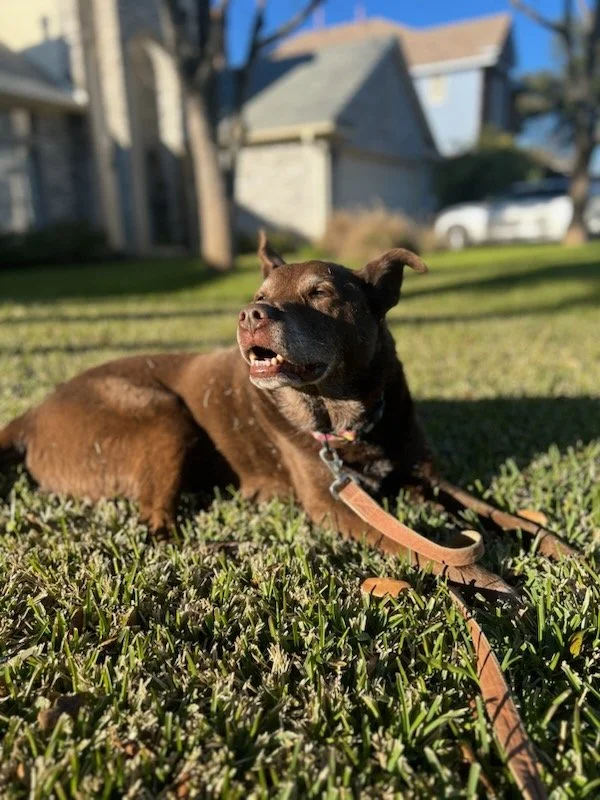
At first, you might notice your dog starting to limp slightly on one of their front legs. Then, they may seem a bit stiff after they have been resting a while. Perhaps they no longer seem willing to jump up or down from the couch as they once did.
These symptoms can all point to something temporary that will be sorted out soon enough, or they could indicate an elbow dysplasia issue that has been developing in the background for years. It’s important to determine what is at the heart of these symptoms, as the proper treatment plan will depend on the underlying cause and its severity.
Quick Answer: Elbow dysplasia is a developmental condition affecting a dog’s front-leg joints. This condition can cause pain, limping, and arthritis. There are a number of treatment options available, including surgery, medication, weight management, and rehabilitation. In many cases, mobility can be preserved through the use of professional guidance and appropriate, ongoing exercise.
What is Elbow Dysplasia and What Causes It?
Elbow dysplasia is not a single disease, but rather an umbrella term that covers a group of developmental abnormalities in how the elbow joint develops.[1] If the three bones that meet at the elbow joint don’t fit together as they should, issues like cartilage damage and progressive osteoarthritis can be the outcome.
Genetics play a big role in this condition, as large breeds such as Labrador Retrievers, Golden Retrievers, and German Shepherds are often affected. There are a few different conditions that are commonly associated with elbow dysplasia, including medial coronoid disease, ununited anconeal process, osteochondrosis, and joint incongruity. It’s possible for these conditions to coexist in the same dog, although the presence of one does not confirm the presence of others.
What Are the Symptoms of Elbow Dysplasia?
While it’s possible for symptoms to appear during puppyhood or adolescence, many dogs aren’t actually diagnosed with this condition until adulthood. At that time, chronic joint changes often become more noticeable. Some of the common signs of elbow dysplasia are listed below[2]
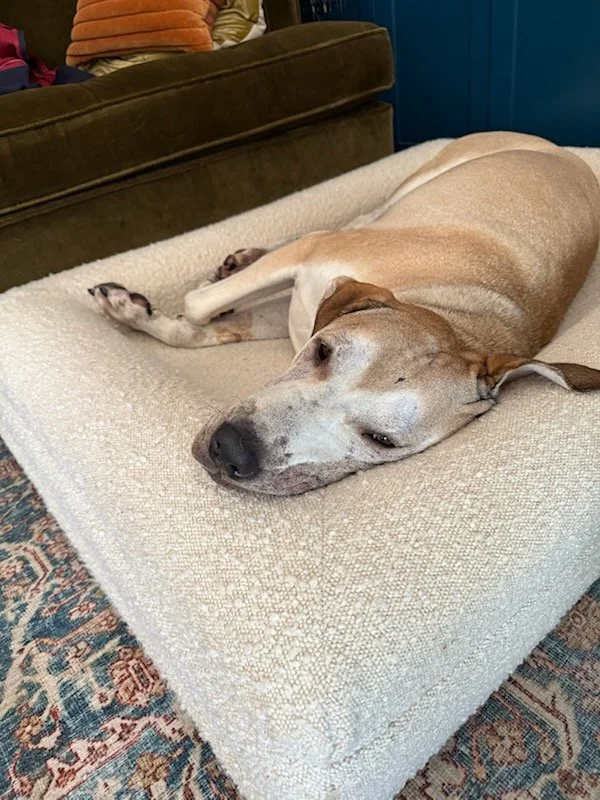
Front-leg limping, particularly after exercise or rest
Stiffness that is obvious after getting up from a resting position
Reluctance to run, jump, or play as normal
Shortened stride or altered gait
Discomfort during elbow flexion or extension
Reduced range of motion in one or both front legs
Shifting weight away from affected limb
It should be noted that both legs can be affected at the same time in some dogs. This might make the condition harder to spot because the dog won’t be able to favor one leg over the other. Also, limping does not automatically mean the dog has elbow dysplasia, as there are other conditions that can cause a limp.
How Do Veterinarians Diagnose Elbow Dysplasia?
Your vet will likely work through a systematic process to determine what is ailing your pet.
Medical history and breed review. The age of your dog, pattern of symptoms, and the breed will all help provide important context for this process.
Physical and orthopedic examination. This step usually includes a gait observation and hands-on assessment to identify pain and reduced range of motion.
X-rays. Using X-rays is a great way to evaluate bony changes and any secondary arthritis that may already be present.
CT imaging. It’s possible that your vet will want to have CT imaging completed to get a more detailed look at joint structures. CT has been used more and more recently because some conditions related to elbow dysplasia may not be clearly visible on standard X-rays.
Arthroscopy. Sometimes, using arthroscopy will be necessary to get a direct look at the joint interior.
What Are the Treatment Options for Elbow Dysplasia?
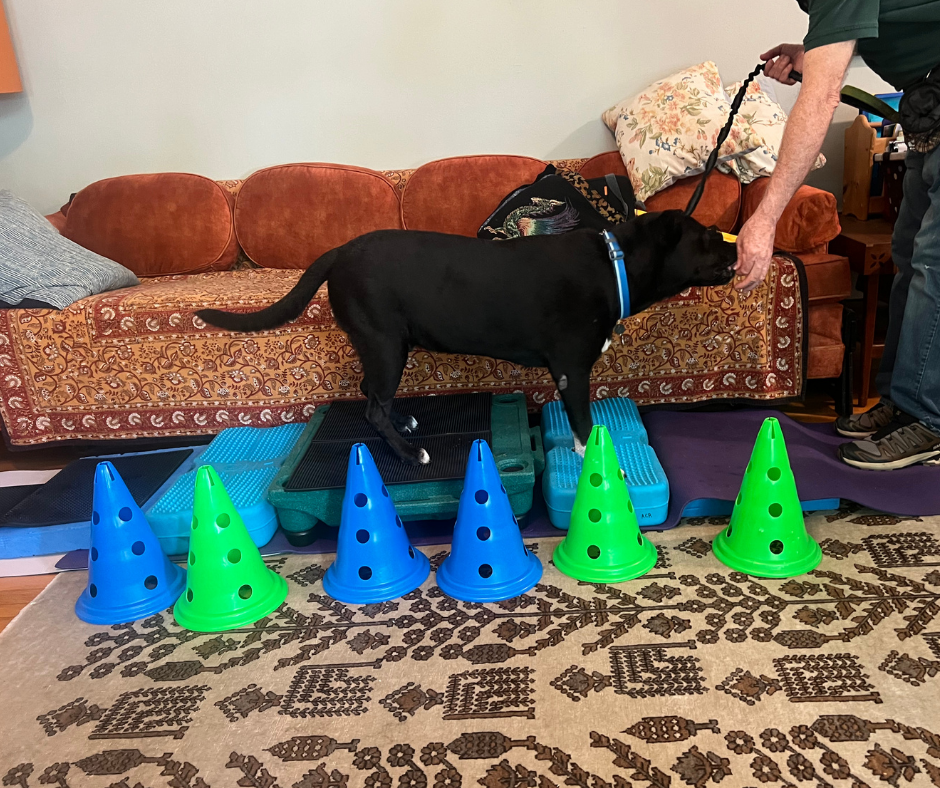
The right treatment option for this condition will depend on the age of the dog, the specifics of the underlying abnormality, the severity of the symptoms, and whether osteoarthritis is already present. There is no one universal treatment that is used in all cases, and treatment paths can generally be broken down into two categories – surgical treatment and conservative treatment.[3]
Surgical Treatment
Based on the assessment performed by your veterinarian, surgery may be considered for elbow dysplasia. There are three general surgical approaches that you might hear discussed in this process:
Arthroscopy. This type of surgery can be used both to examine the joint directly and to treat selected lesions, such as removing fragmented or damaged cartilage.
Procedures targeting coronoid disease, UAP, or OCD. The specific technique used in these cases will depend on the abnormality present.
Procedures to address joint incongruity. In some cases, surgery may be aimed at improving how the bones of the elbow align and distribute load.
It should be noted here that early intervention tends to be important in these cases. The sooner that elbow dysplasia can be diagnosed and treated, the better the long-term prognosis tends to be.
Conservative (Non-Surgical) Treatment
For relatively mild cases, or when surgery simply isn’t feasible, conservative management techniques will be recommended. The list below outlines some of the many options that are possible in this category.
Veterinary-prescribed pain and anti-inflammatory medications
Maintaining a lean, healthy body weight to reduce joint loading
Activity modification to avoid movement that provokes pain or worsens symptoms
Individually prescribed low-impact movement
Physical rehabilitation
Home environment modifications such as improved flooring traction
Comparing Surgery vs. Conservative Management
| Consideration | Surgical Treatment | Conservative Management |
|---|---|---|
| Primary Goal | Address selected structural lesions or abnormalities | Manage symptoms and support function |
| Best Suited For | Dogs with surgically treatable lesions based on veterinary assessment | Selected mild cases or dogs where surgery is not appropriate |
| Addresses Structural Abnormalities? | May correct or reduce certain mechanical problems | Does not correct the underlying deformity |
| Rehabilitation Role | Supports recovery and functional improvement after surgery | Helps maintain strength, movement, and comfort |
| Long-Term Arthritis Risk | Arthritis may still progress | Arthritis may continue to progress |
| Key Decision Factor | Lesion type, severity, age, and surgical prognosis | Severity, comfort, functional goals, and veterinary recommendations |
How Can Canine Rehabilitation Help Dogs with Elbow Dysplasia?
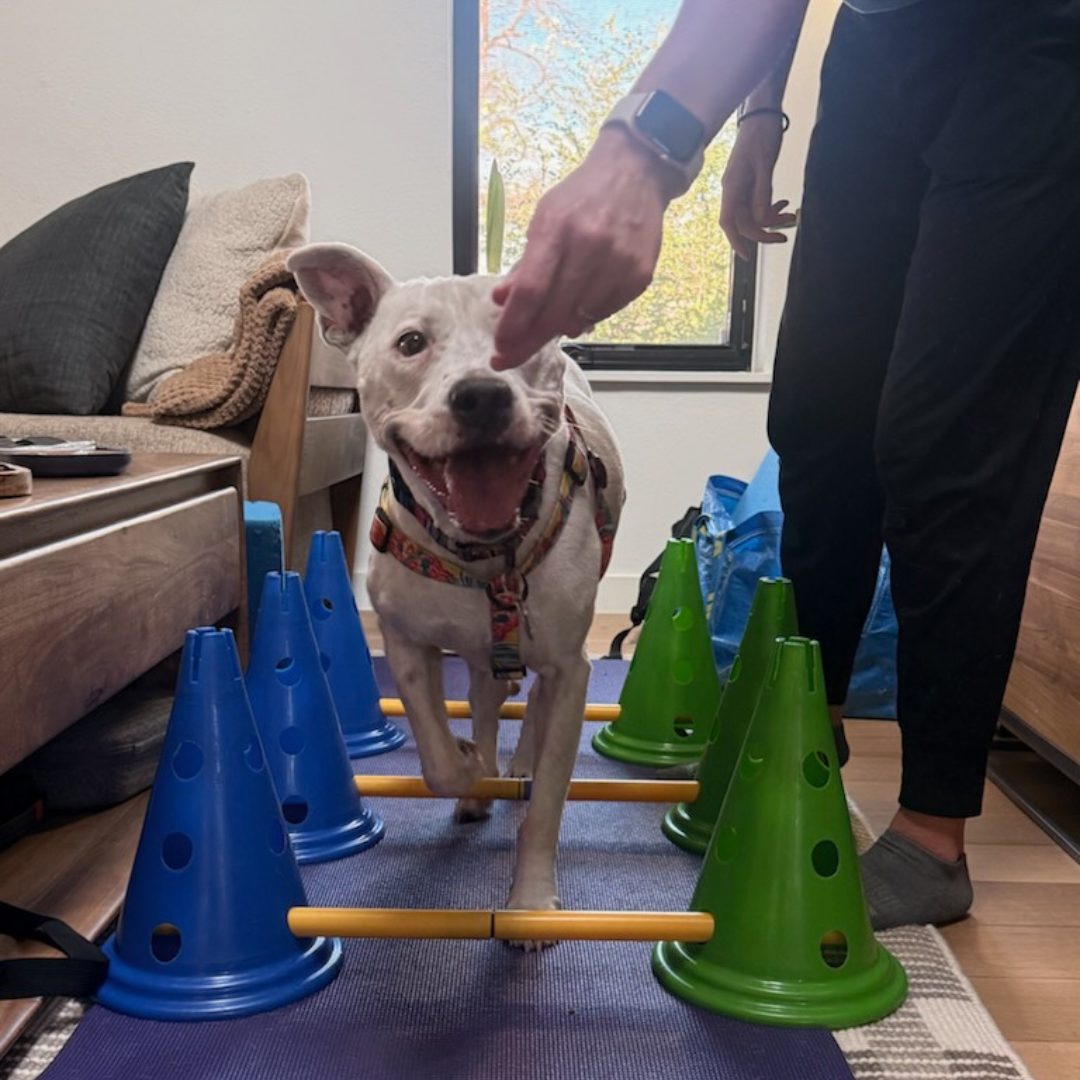
Canine rehab plays an important role in dealing with elbow dysplasia. This is true for both dogs that are using conservative management as well as those that are recovering from surgery. Working with a certified canine rehabilitation therapist is a powerful way to target the affected joint as well as the rest of the body and how the dog moves and functions more generally.
The specific goals of a rehabilitation program can include maintaining appropriate joint mobility and range of motion, building and preserving supportive musculature, and addressing compensatory movement patterns. Also, canine rehab can aim to manage discomfort, improve balance and coordination, and gradually improve overall tolerance for daily activities.
What Exercise is Safe for a Dog with Elbow Dysplasia?
As a dog owner, you need to understand what is safe for your dog to do while dealing with this condition, and what should be avoided. Let’s quickly look at some points in both of those categories.
Low-Impact Activities That May Be Appropriate
Short, controlled leash walks on even terrain
Structured rehabilitation exercises prescribed specifically for the dog’s condition
Controlled strengthening and balance work under professional guidance
Appropriate aquatic rehabilitation when both approved and available
Activities That May Need to Be Limited
Repetitive jumping onto or off of furniture, steps, or vehicles
High-impact fetch sessions involving hard stops and sudden changes of direction
Abrupt turning or rough, uncontrolled play
Excessive running on hard surfaces
Any activity that produces or noticeably worsens lameness
How to Recognize When Exercise Is Too Much
While exercising your dog, pay attention to any of the following as signs that you need to either slow down or stop entirely.
Increased limping during or after activity
More pronounced stiffness in the evening following exercise, or the next morning
Reluctance to bear weight on the affected leg
Reduced willingness to participate in activities the dog usually enjoys
Signs of fatigue or discomfort during normal daily movement
Can Elbow Dysplasia Lead to Arthritis?
Yes, and it often does.[4] Even in dogs that receive surgical treatment, it’s common for elbow dysplasia to eventually lead to secondary osteoarthritis over time. This is why long-term management is so important. Over time, goals should shift toward preserving the function that remains in the joint, managing discomfort, and slowing further deterioration. Maintaining muscle strength and appropriate movement is a part of that, along with weight management.
What’s the Difference Between Hip Dysplasia and Elbow Dysplasia?
While they do share some similarities, hip dysplasia and elbow dysplasia impact different parts of the dog’s body and present symptoms differently.
| Feature | Elbow Dysplasia | Hip Dysplasia |
|---|---|---|
| Primary Location | Front limbs | Hind limbs |
| Structural Issue | Abnormal elbow development involving one or more joint components | Abnormal hip joint development and laxity |
| Common Mobility Signs | Front-leg limping and stiffness | Hind-limb stiffness, altered gait, and difficulty rising |
| Long-Term Concern | Degenerative joint disease | Degenerative joint disease |
| Management | May involve surgery, medical treatment, and rehabilitation | May involve surgery, medical treatment, and rehabilitation |
When Should You Consider Canine Rehabilitation for Your Dog?
There are many points along the elbow dysplasia journey where you might consider reaching out to a certified canine rehabilitation therapist for assistance. This could be done right after you get a diagnosis, while thinking about conservative management options, or right after surgery to put a recovery and rehab plan in place. No matter the timing, feel free to call the team here at Austin Canine Rehab right away to discuss your situation and schedule an appointment. We would be proud to serve you.
Frequently Asked Questions
-
Yes, in some cases, it is possible to handle elbow dysplasia through conservative management techniques. That can include pain medication, weight control, and activity modification, among other options. However, conservative care doesn’t correct the underlying structural issue, so surgery will be needed for some dogs.
-
Walking can be better than complete rest in some cases, but the walking should be controlled and low-impact. Taking short leash walks on even ground can help dogs with this condition maintain mobility and muscle condition while avoiding excessive stress on the affected joint. It’s important to pay attention to the dog’s condition after these walks, and if it seems to be getting worse, check in with your veterinary team right away.
-
Yes. Rehabilitation is one of the best options to explore for dogs with this condition, whether you are attempting conservative management or are starting the recovery process after surgery. Your certified canine rehabilitation therapist will evaluate the dog’s condition as a whole and develop a customized treatment program to maintain joint mobility and strengthen supportive muscles.
-
It can, as the abnormal joint development that defines this condition can promote osteoarthritis over time. The outcomes are highly individualized, however, so each dog will be a unique case that must be managed based on the realities of the situation. Some things that can help the dog stay as healthy as possible while aging include maintaining a lean body weight, following an individualized exercise plan, and closely monitoring symptoms.
-
There isn’t a single best treatment for all dogs with this condition. The right approach is always the one that is customized to match the specifics of the case. Some dogs will benefit most from surgical intervention, but that’s not always the case. A thorough evaluation by a veterinarian is the best starting point in this process.
-
Yes, many dogs with elbow dysplasia are able to go on to live comfortable, active lives. Quality of life will depend on the severity of the condition, how well it is managed, and the dog’s individual response to treatment. It may be necessary to occasionally modify activity levels, such as after surgery or during a flare-up, but dogs are often able to stay comfortable and active for many years.
-
When elbow dysplasia is untreated, a number of ongoing issues can result, including ongoing joint inflammation and cartilage damage. Your dog may experience worsening pain and increased lameness as a result, and dogs that continue to go untreated will often develop more significant functional limitations. Early evaluation and intervention are likely to lead to better long-term outcomes.