It’s hard to see your dog lose mobility. If your pet’s back legs have started to weaken, you might quickly think about a wheelchair as a suitable option to keep them moving around comfortably. That might end up being a good option to maintain quality of life, but you don’t want to rush into the decision. Working with a professional and picking out the right equipment are critical, and we’ll dive deep into this topic in the article below.
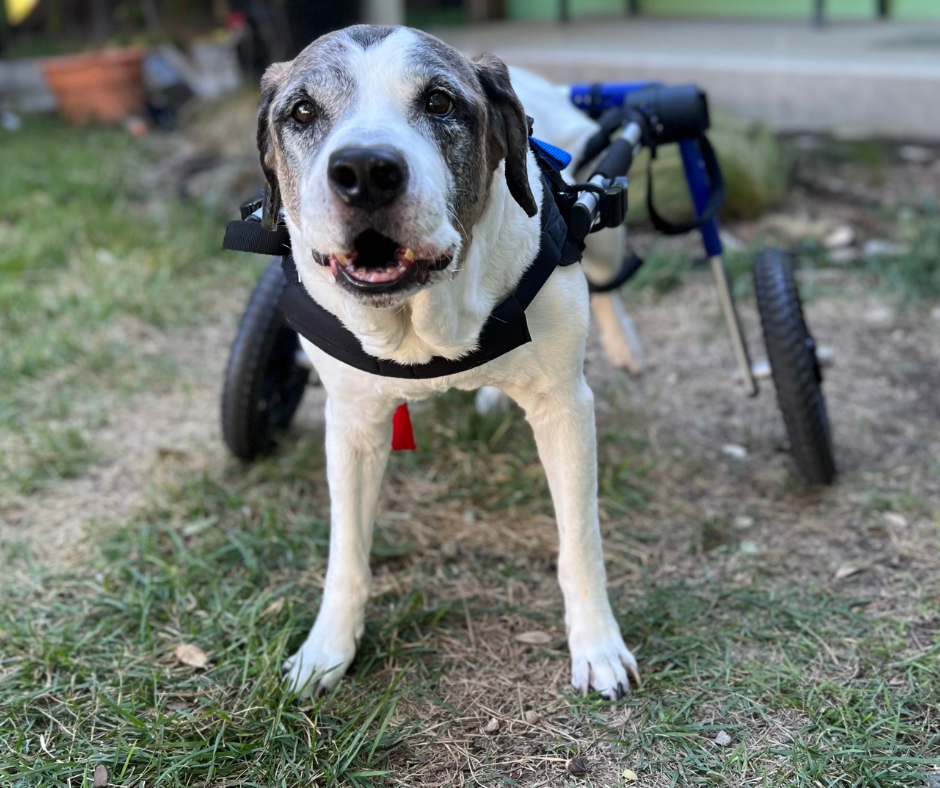
Quick Answer: A dog wheelchair can help with hind-limb weakness, but the wrong wheelchair can actually make movement harder rather than easier. The best choice for a wheelchair will depend on a number of factors, including the dog’s current strength level, neurological function, diagnosis, and long-term rehabilitation goals.
When Does a Dog Need a Wheelchair?
A dog wheelchair may be a good choice when hind-limb weakness has started to make standing or walking independently difficult or even unsafe.[1] How that looks can vary from dog to dog, so it’s important to take an individualized approach to this decision. Some of the situations where a wheelchair may be helpful include the following –
Dogs with significant hind-limb weakness who need consistent pelvic harness support to stay standing
Dogs with neurological issues and limited or absent hind-limb movement
Dogs recovering from neurological injuries, such as those related to IVDD
Tripod dogs who need additional rear support
If a dog who can still voluntarily move its hind limbs should not necessarily stop practicing supported standing or walking just because it is using a wheelchair. There are still exercises that can be performed using harness support.
Can Using a Wheelchair Make a Dog’s Legs Weaker?
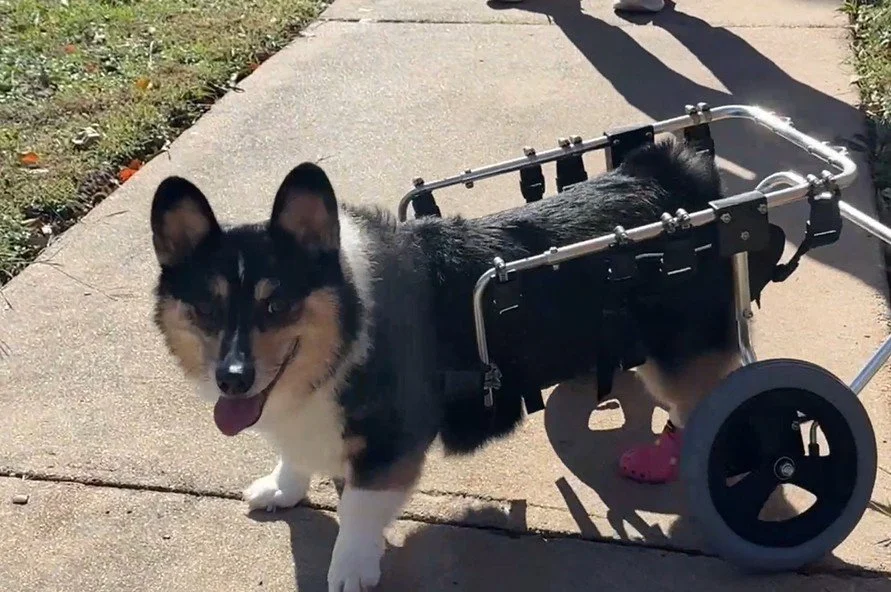
This is a common point of concern from dog owners who are considering a wheelchair for their pet. The simple answer is that using a wheelchair does not necessarily lead to weaker legs, although that is a possibility, depending on how the wheelchair is used.[2] Specifically, it’s important to pair the right wheelchair to the right dog, to make sure the dog’s remaining functional abilities are still utilized, while the wheelchair steps in and provides the necessary level of additional support.
When Can a Dog Wheelchair Do More Harm Than Good?
Quickly purchasing a wheelchair online based only on a few reviews or a recommendation from another dog owner can be a mistake. Not only could it be a waste of money, the wrong wheelchair could even be harmful for your dog. Here are some of the issues we have seen with hasty wheelchair purchases.
| Potential Problem | Why It Matters |
|---|---|
| Excessive weight or bulk | A severely weakened dog may not have the strength to move a heavy wheelchair effectively |
| Incorrect width or dimensions | A wheelchair that is too wide can make navigating hallways, doorways, and furniture difficult or impossible |
| Inappropriate pelvic support | Rigid pelvic components may restrict movement in a dog who still retains voluntary motor function; the right level of support depends on what the dog can do |
| Insufficient support | Rear-only support may not be appropriate if the front limbs are also significantly weak or postural control is poor |
| No rehabilitation plan | Without professional guidance, owners may miss opportunities to maintain strength, practice functional movements, or adapt equipment as needs change |
What Type of Wheelchair is Best for Your Dog?
To help you better understand what wheelchair options are available on the market, we’ve divided up the options into three main categories below.[3]
Rear-Support Wheelchairs
Rear-support wheelchairs are sometimes called two-wheel designs and are meant to mostly support the hindquarters of the dog. These are often the right choice for dogs who still have sufficient front-limb strength and stability but need constant assistance in the rear. If a dog has some voluntary hind-limb movement remaining, a design that allows some pelvic motion can allow the dog to still participate in active movement while getting the help they need.
Four-Wheel Support Wheelchairs
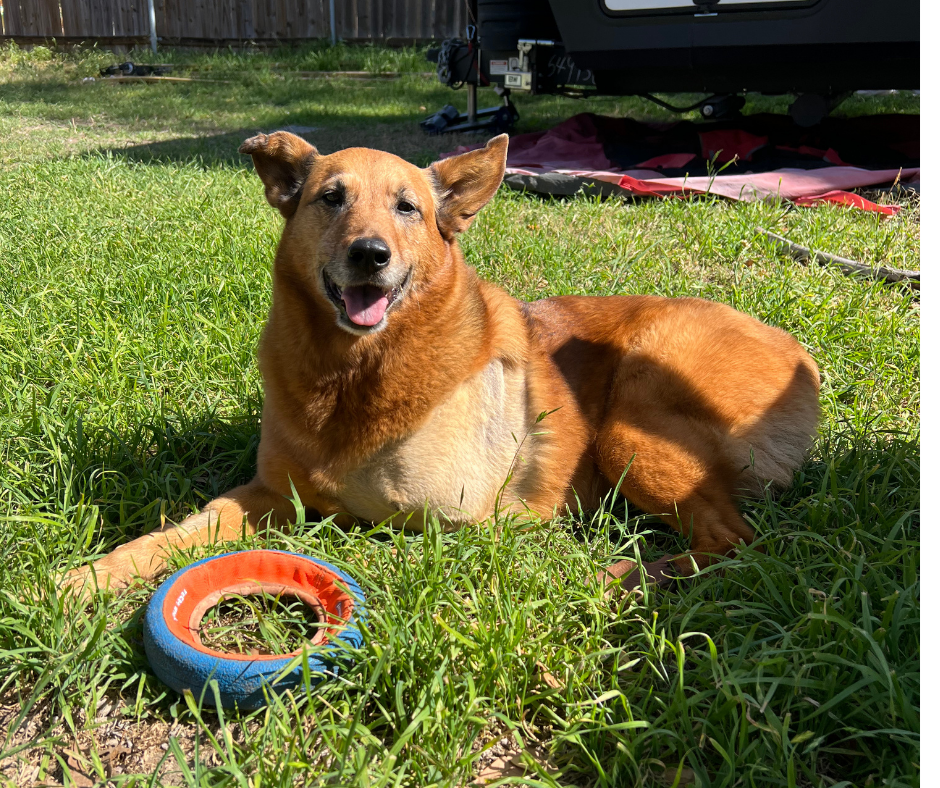
With a four-wheel design, your dog will receive more support in both the front and rear of the body. When a dog also has significant front-limb weakness and overall instability, a rear-only wheelchair likely won’t be enough to keep them stable and safe. It’s important to note that the added stability of a four-wheel design is only going to be useful if your dog has the necessary strength to use the equipment effectively.
Adjustable or Convertible Wheelchairs
Some wheelchairs are able to transition from two-wheel to four-wheel configurations as the mobility needs of your pet change. This is often a smart choice for dogs with progressive conditions like degenerative myelopathy. For such dogs, their health is sure to change over time, and buying a wheelchair that can adapt along with them may be the best investment.
How Do IVDD and Degenerative Myelopathy Affect Wheelchair Selection?
Selecting a wheelchair is far from a one-size-fits-all process. Instead, it’s important to understand what has led a dog to this point, and what they are likely to need moving forward.
| Consideration | IVDD/Recovering Neurological Injury | Degenerative Myelopathy (DM) |
|---|---|---|
| Typical Trajectory | Some dogs may regain strength and motor function | Progressive neurological decline |
| Wheelchair Duration | May be temporary or long-term depending on recovery | Support needs may increase over time |
| Equipment Priorities | Accommodate current abilities and possible recovery | Consider adaptability as function changes |
| Rehabilitation Focus | Support recovery and remaining functional abilities | Maintain function and quality of life as long as possible |
| Purchasing Consideration | Whether a custom wheelchair is worthwhile for potentially temporary use | Whether a convertible design offers longer-term value |
Wheelchairs for Dogs Recovering from IVDD
It’s possible for some dogs recovering from IVDD to regain enough motor function to eventually transition out of a wheelchair.[4] The outcomes experienced among dogs with IVDD vary widely, depending on both the severity of the injury and the timing of the treatment provided.
This reality presents owners with a difficult decision regarding a wheelchair. Is it worth investing in a custom or high-end wheelchair if the dog is only going to need it temporarily? Or is longer-term use more likely? This decision needs to be made on a case-by-case basis, and guidance should be received from professionals to make sure a reasonable, practical perspective is used when determining how to move forward.
Wheelchairs for Dogs with Degenerative Myelopathy
Unfortunately, degenerative myelopathy is a progressive neurological condition that leads to increasing hind-limb weakness and eventual paralysis.[5] The slow, progressive loss of coordination and strength that comes with this disease is hard to watch as a pet owner, but it is relatively predictable in its path.
For that reason, dogs with DM are often well-served by a wheelchair model that can transition from two-wheel to four-wheel configuration. This can allow you to get many more years of use out of a given wheelchair than if you purchased one that only offers a single setup. While shopping for a wheelchair for a dog that has DM, it’s important to think not only of what they need today, but also what they are likely to need in the future.
Why is Canine Rehabilitation Important Even After Getting a Wheelchair?
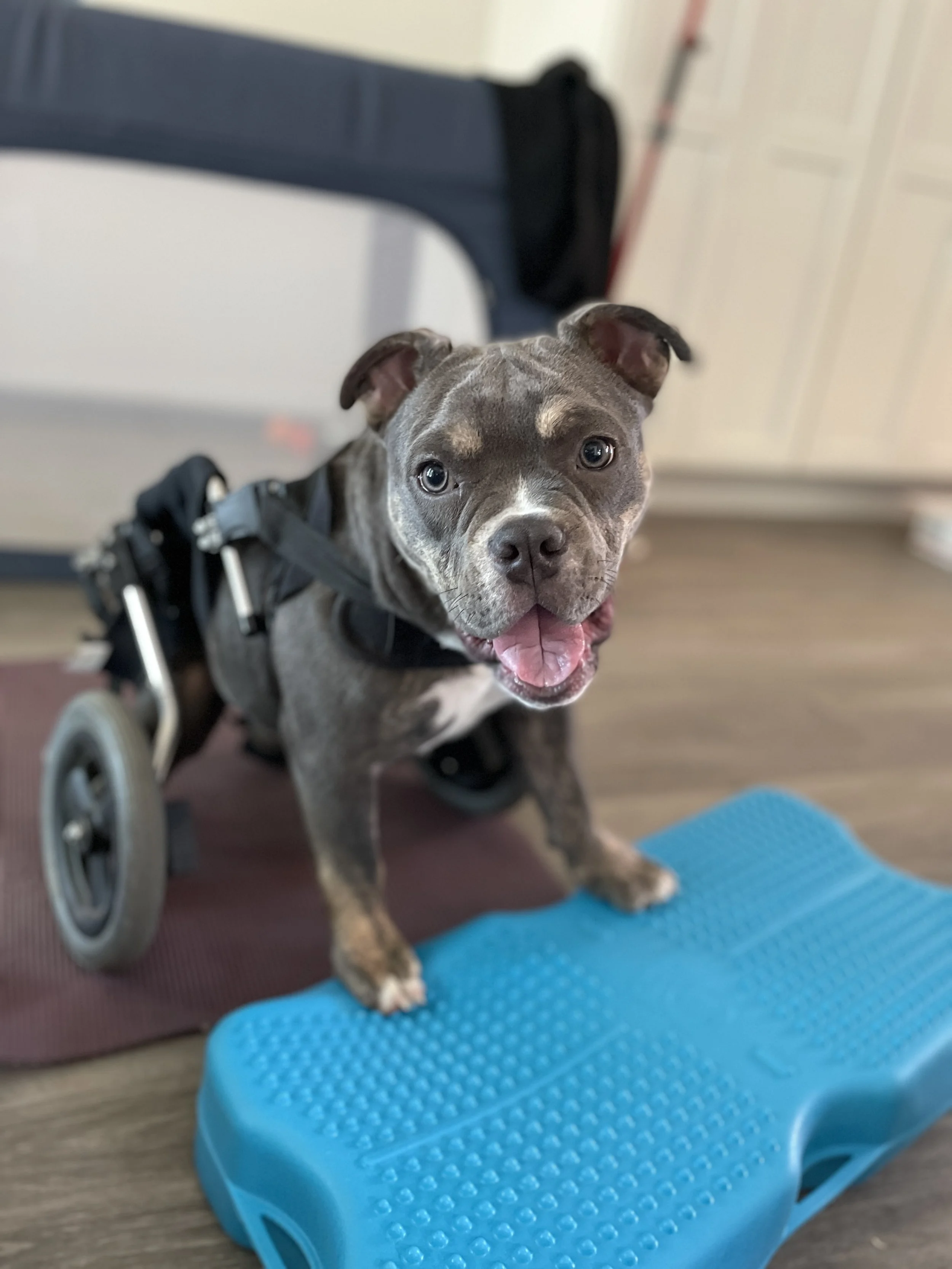
You should think of a wheelchair as just one component of a broader mobility plan. It’s important in many cases, to be sure, but it’s not the end of the story. Indeed, depending on the dog’s current abilities and your future goals for your pet, you might explore a rehab program that includes some of the following –
Supported standing and standing endurance exercises
Strengthening work targeting muscles that support the spine
Balance training and controlled weight shifting
Proprioceptive exercises that address body awareness
Therapeutic exercises performed with and without wheelchair support
Manual therapy to address mobility limitations
How Do You Choose a Wheelchair That Fits Your Dog’s Lifestyle?
Finding a wheelchair that fits your dog is about far more than just taking accurate measurements. There are many different factors to consider, starting with the list below.
Indoor vs. outdoor use. A dog who primarily moves around inside a smaller home needs a more compact wheelchair to be able to handle tight spaces effectively.
Hallway and doorway widths. Don’t just measure your dog when buying a wheelchair. Also measure important parts of your home, including doorways that might be too narrow for specific wheelchair models.
Typical walking surfaces. Will your dog be trying to walk on carpet, hardwood, concrete, grass, or a combination of those and more? Wheelchair performance can vary significantly depending on the surface in question.
The dog’s strength. A heavy wheelchair may be robust and durable, but it will also require far more effort to move. If your dog has significant weakness, only a lighter model should be considered.
How much assistance is needed. It’s not always the case that a wheelchair that offers more support is better than one that offers less. The wheelchair you choose should match your dog’s current abilities as closely as possible, while providing the assistance they need to get around.
Real Patient Example: Why the Wrong Wheelchair Can Limit Mobility
At Austin Canine Rehab, we have experience working with dogs who have been placed in wheelchairs prior to working with us. One example highlights why it’s so important to get this purchase right the first time.
Before coming to us, this dog’s owner had placed her in an over-the-counter wheelchair that had been recommended by others and is an extremely popular brand. There was nothing wrong with the product, but it wasn’t the right choice for that dog. It was too heavy, too wide, and poorly fitted. The dog had limited strength and simply wasn’t able to move the wheelchair effectively. Rather than improving the dog’s mobility, it really became nothing but another obstacle.
We did our best to work with the equipment that the owner had already purchased, but it just wasn’t the right fit. If we had the opportunity to work with this dog before the wheelchair purchase had been made, we could have been able to recommend a different approach that was based on the dog’s actual level of strength and functional needs.
Should You Consult a Canine Rehabilitation Specialist Before Buying a Wheelchair?
Yes, it’s a great idea to consult with both a veterinarian and a canine rehabilitation specialist before buying a wheelchair for your dog. Getting input from qualified and experienced professionals will allow you to make the right choice from the start, saving both frustration and money along the way. Reach out today to the team at Austin Canine Rehab to get started.
Frequently Asked Questions
-
Not necessarily. Depending on your dog’s condition, it may be possible to maintain appropriate movement to retain muscle in the hind legs while also offering the support needed to move around comfortably throughout the day. Working with a canine rehabilitation therapist is the best way to craft a plan that suits all of your dog’s needs.
-
It depends on the design of the wheelchair. Some models do allow for voluntary hind-limb movement, which can be helpful for dogs who do still have some leg function. If a dog has the ability to use their hind limbs to some degree, using a wheelchair that completely immobilizes those limbs could be a mistake. Support requirements will vary significantly from one dog to the next.
-
This depends on the severity of the injury, along with the dog’s neurological condition and their overall potential for recovery. Some dogs with IVDD can regain significant function and only need temporary support to maintain mobility. Others will have longer-term needs, however, so working with a vet and canine rehabilitation professional is best to determine the right course of action.
-
Often, the best choice in this case is a convertible wheelchair that can transition from rear-only to full four-wheel support over time. This is because degenerative myelopathy is a progressive condition, so you will want a wheelchair model that can adapt to where your dog is along that progression.
-
Neither of these styles is “better” than the other in all cases. Instead, the key is finding the right model to align with your dog’s needs at this time. For example, dogs with sufficient front-limb strength can do well with rear-support wheelchairs, while four-wheel designs should be considered when a dog has front-limb weakness or postural instability.
-
Absolutely. Canine rehabilitation does not need to stop when a dog gets a wheelchair. In fact, this is often the time when rehab becomes even more important. Using therapeutic exercises that target strength, balance, and movement quality can improve the dog’s long-term health outlook. A certified canine rehabilitation therapist like those at Austin Canine Rehab can craft a custom plan that serves the dog’s needs specifically.
-
There’s nothing wrong with ordering a wheelchair online, but you should only make that purchase after working with a qualified professional to pick out the right model. On your own, it may be hard to determine what to look for in terms of pelvic support design, weight, dimensions, and more. Get professional guidance first and then find the best place to actually make a purchase.