PRP vs. Canine Rehab vs. Shockwave Therapy for Dogs: What’s the Difference?

When your dog is first diagnosed with a joint problem, a variety of treatment options may be mentioned as possibilities. At first, all of the terms can be overwhelming, and you won’t know what they mean or what they could do for your dog. On this page, we’ll break down the basics of PRP, canine rehab, and shockwave therapy so you understand what they offer and can make an informed choice to move forward.
Quick Answer: What is the Difference Between PRP, Canine Rehab, and Shockwave Therapy?
Platelet-rich plasma, or PRP, is an injectable biologic treatment made from your dog’s own blood. Shockwave therapy is a treatment that directs acoustic energy at a specific area of the body. Canine rehabilitation is a broader category of movement-based treatments that focus on strength, mobility, and overall function. These treatments don’t have to be seen as competing options but rather can be viewed as complementary options that may all serve your pet in different ways.
| PRP | Canine Rehab | Shockwave Therapy | |
|---|---|---|---|
| What Is It? | Orthobiologic treatment made from the dog’s own blood | Customized rehabilitation program | Targeted acoustic-wave treatment |
| How Is It Delivered? | Injection into a joint or other tissue | Hands-on therapy, therapeutic exercise, movement training | Device applied to a targeted area |
| Main Objective | Influence local healing | Restore or maintain function, strength, mobility, and movement | Target a localized musculoskeletal problem |
| Invasive? | Yes, it requires an injection | Generally non-invasive | Generally non-invasive |
| One-Time or Ongoing? | Can be either | Typically progresses over multiple sessions | Typically delivered as a treatment series |
| Who Performs It? | Veterinary professional | Qualified canine rehab professional | Appropriately qualified veterinarian |
| Can It Replace Rehab? | Not necessarily | N/A | Not necessarily |
| Can They Be Combined? | Yes, depending on the case | Often part of multimodal care | Yes, depending on the case |
What is PRP Therapy for Dogs?
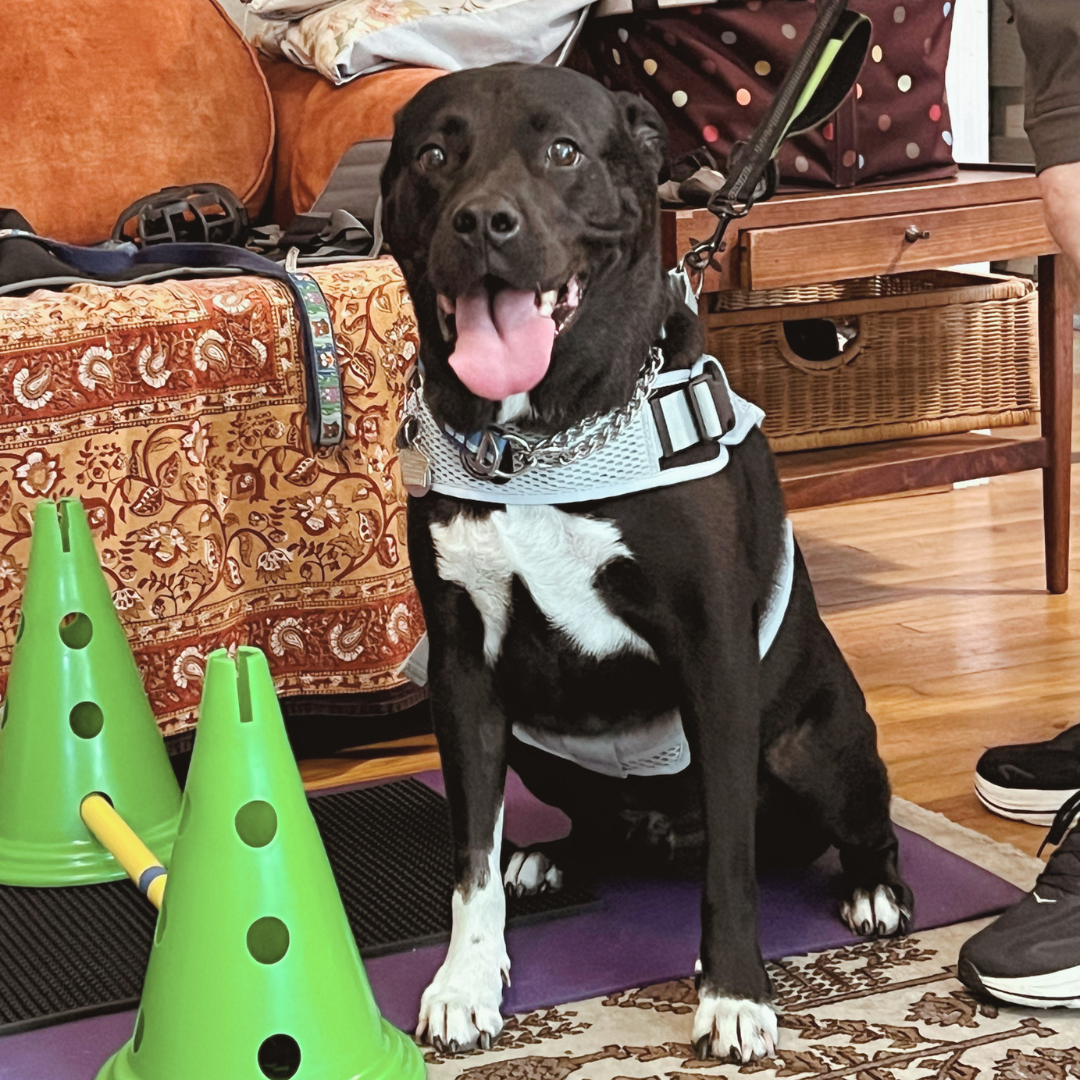
Platelet-rich plasma therapy is a type of orthobiologic treatment. That means it uses a biological substance that is derived from the patient’s own body, which in this case, is your dog. A small amount of the dog’s blood is drawn and then processed to concentrate the platelets. The result is then injected into a targeted area such as a joint, tendon, or injured soft tissue.1
How Does PRP Work?
This treatment can be effective because platelets contain growth factors and signaling proteins that can help modulate the inflammation locally. This supports the healing process for injured areas that are targeted during the procedure. Research in this area is ongoing, and the outcomes will depend on the condition being treated as well as the individual dog.
When Might a Veterinarian Consider PRP?
You might hear your vet suggest PRP when your dog is dealing with particularly troublesome arthritis in the hips, elbows, or stifles. Or, this treatment may be suggested for tendon or ligament injuries, or when joint degeneration following surgery is present. It’s important to understand that this decision is made by a vet based on the dog’s history, diagnosis, and overall condition, and is not something a dog owner just selects on their own.
What are the Limitations of PRP?
The way PRP is designed allows it to serve a very specific location in the body. So, it may be able to help reduce local inflammation in that area and support nearby healing, but it isn’t going to rebuild lost muscle strength, restore range of motion, or address movement compensations that have developed. A dog may have successful PRP treatments at the site of an injury while still needing rehabilitation to make progress in the bigger picture.
What is Canine Rehabilitation?
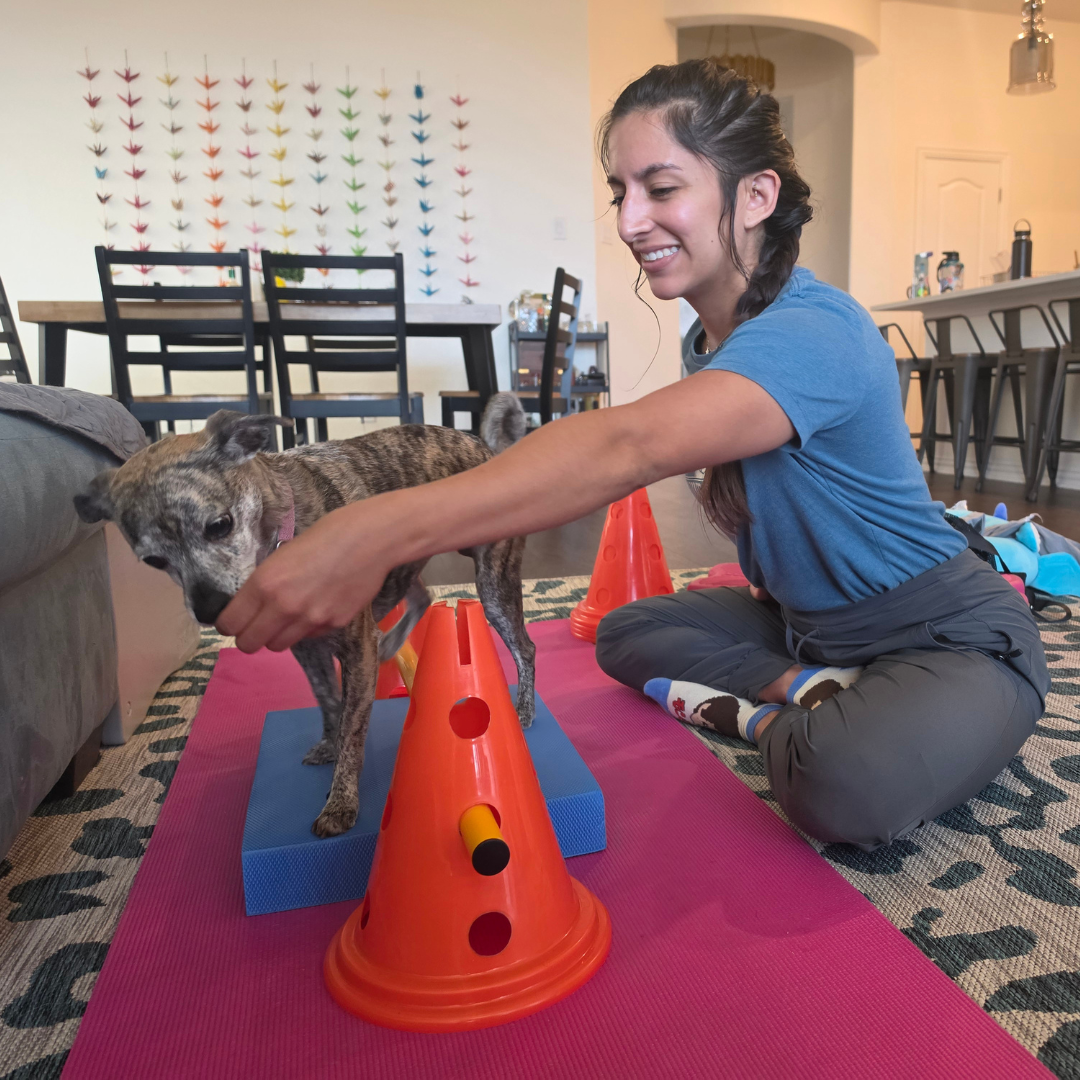
Canine rehabilitation is a structured, individualized approach to restoring or maintaining a dog’s movement and function. While it might look from the outside like just exercising a dog who has experienced an injury or gone through a surgery, it’s far more than that.
A certified canine rehabilitation therapist will evaluate how the dog moves, where weakness or stiffness exists, and what functional limitations are present. A detailed, progressive plan can then be built based on that evaluation.2
What Does Canine Rehab Actually Treat?
Canine rehab can treat a long list of conditions, including the following –
Recovery from orthopedic surgery
Arthritis and chronic joint conditions
Ligament and tendon injuries
Neurological conditions affecting movement and coordination
Muscle loss or weakness following injury
Mobility changes for senior dogs
Return to activity for working or sporting dogs
What Can Be Included in a Canine Rehabilitation Program?
A big part of why canine rehab tends to be so successful is the fact that each program is tailored to the needs of the specific dog. So, no two programs will look exactly alike, although similar components may be present. Those components can include therapeutic exercises targeting specific muscle groups, balance and coordination training, hands-on manual therapy, gait and movement exercises, and a home exercise program to use between sessions. Programs are designed to be progressive, meaning they will get more and more difficult as the dog continues to get stronger and move more effectively.
What is Shockwave Therapy for Dogs?
Extracorporeal shockwave therapy (ESWT) uses a handheld device to deliver high-energy acoustic waves to a targeted area of the dog’s body. Despite the somewhat intimidating name, this treatment is actually non-invasive and a comfortable experience for your pet. The sound waves produced by the device travel through soft tissue and can help to reduce pain, improve circulation, and support healing.3
How is Shockwave Different from Rehab?
This treatment is a specifically targeted modality, meaning it aims to address one specific area of the body. Canine rehab works differently, as it is a comprehensive approach that addresses how the whole dog moves, compensates, and functions. While shockwave therapy may help reduce discomfort, it can’t accomplish goals like building muscle, improving flexibility, and correcting an altered gait. Those objectives all remain in the realm of canine rehab rather than shockwave therapy.
Which is Better: PRP, Shockwave Therapy, or Canine Rehab?
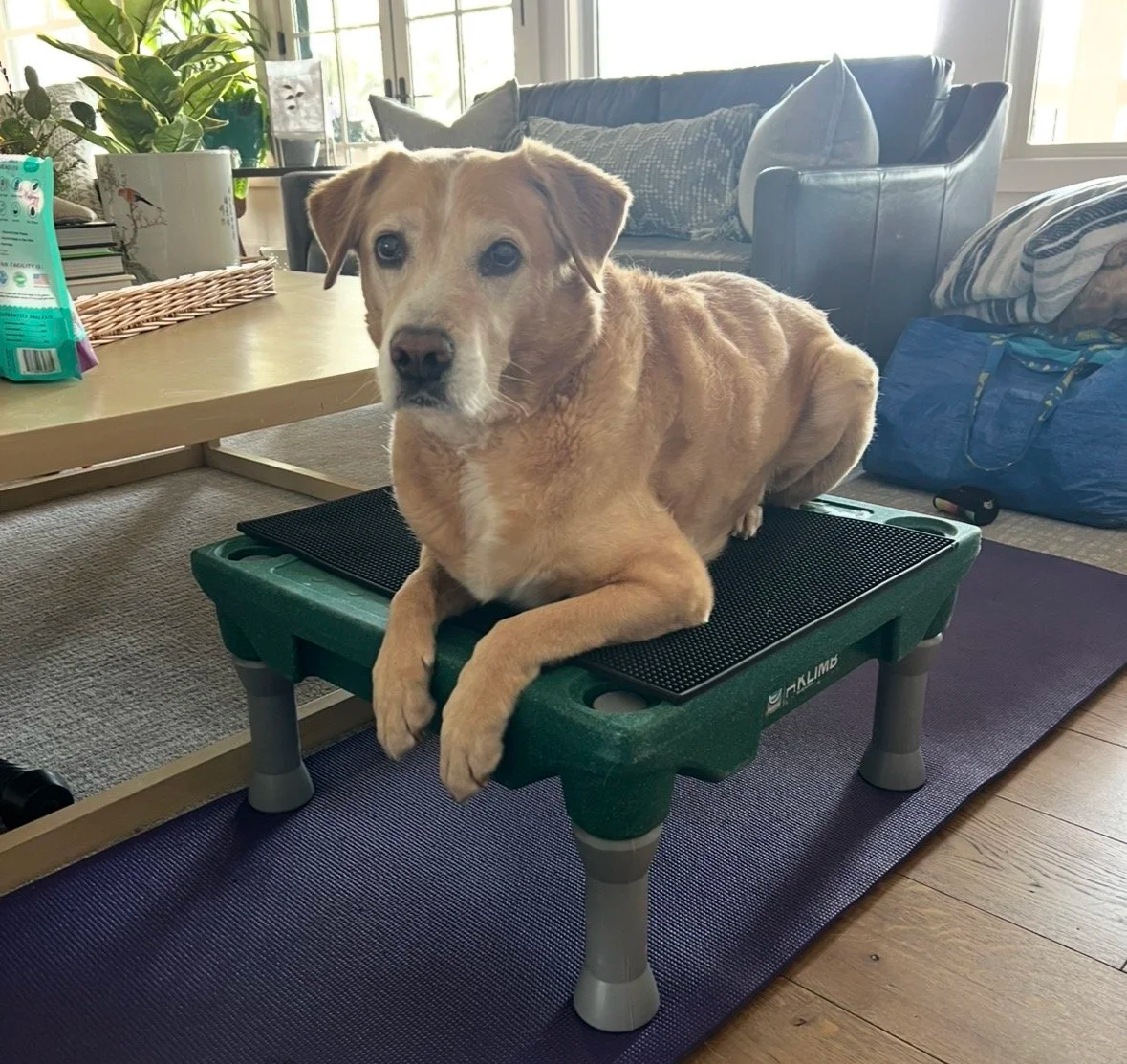
Asking which of these three is “better” is really the wrong question entirely. It’s not about a comparison, because they aren’t trying to do the same things. Instead, you should be thinking about which of these may serve your dog right now, as they all have the potential to play a meaningful role in the recovery process.
When PRP May Be Considered
PRP is primarily going to be used when a dog has a localized joint or soft tissue problem. Your vet may determine that using PRP could be an effective component of an overall treatment plan in this case.
When Shockwave May Be Considered
Localized musculoskeletal conditions are a good candidate for shockwave therapy. Examples include joint degeneration, soft tissue injuries, or tendinopathy. It’s more common to use shockwave therapy as part of a treatment plan rather than as a standalone solution.
When Canine Rehab May Be Considered
Canine rehabilitation is called for in many situations and is often a great choice as the main treatment plan along with some of the other available modalities. Your vet may suggest canine rehab when your dog has lost strength or endurance, undergone surgery, has a reduced range of motion, or is walking and running with an altered gait. Using rehab that is guided by an experienced professional may be the best way back to full health over time.
When More Than One May Be Appropriate
It’s common for more than one treatment approach to be used in veterinary care. No single treatment addresses all sides of a mobility issue, so a vet will commonly suggest a blend of tactics to achieve the best possible results. For example, if your dog is recovering from a CCL surgery, they might benefit from shockwave therapy at the surgery site along with a canine rehabilitation plan.
Can PRP, Shockwave Therapy, and Canine Rehab Be Used Together?
Yes, in many cases it is suitable to use two or even all three of these treatments. If you would like to consider such an approach, that process starts by talking to your veterinarian. Work with your vet to establish what your goals look like for your dog’s health and how these various options can play into reaching those goals.
What Does Austin Canine Rehab Focus On?
Our role in this picture is focused on canine physical rehabilitation. That’s what we offer, and our team is fully focused on creating and executing detailed, personalized treatment plans for every dog we serve. We carefully evaluate the way a dog moves and functions to identify strength, mobility, balance, and coordination issues that can be addressed with a rehab plan. If you’d like to learn more about how we can serve you and your pet, please reach out today.
Frequently Asked Questions
-
No. PRP is an injectable biologic treatment intended to promote local healing, while canine rehabilitation is a movement-based program designed to restore strength, mobility, and balance.
-
No. Shockwave therapy is a targeted treatment that aims acoustic energy at a specific area of the body. That’s different than canine rehabilitation, which uses therapeutic exercise, manual therapy, movement training, and home programs to support long-term recovery.
-
Absolutely. PRP may help to deal with inflammation and promote healing, but it should not be seen as a replacement for physical rehab.
-
In many cases, yes. The shockwave therapy may be used to address a musculoskeletal condition while canine rehab helps with the functional consequences of the condition, such as weakness, stiffness, and altered gait.
-
Canine rehabilitation is used in a range of situations, including recovery from orthopedic surgery, managing arthritis, healing from ligament or muscle injuries, dealing with neurological conditions, and more.
-
There has been research done that shows promise for what PRP can offer dogs suffering from osteoarthritis. It has been seen that this treatment may successfully reduce pain and improve limb function in some dogs, however outcomes appear to vary based on a number of factors.
-
Using shockwave therapy may help to reduce pain and improve mobility in dogs with osteoarthritis. As is true with most treatments, results vary, and this should likely be used as part of a broader treatment plan.
-
The right treatment is going to depend on factors like your dog’s specific diagnosis, age, and overall health. It’s best to work closely with your vet to discuss health goals and compare the options that are available. If your vet recommends looking into canine rehab, reaching out to a provider like Austin Canine Rehab is the logical next step.