What is Septic Arthritis?
The term septic arthritis refers to an infection inside a joint. This infection can lead to inflammation, intense pain, and rapid joint degeneration. Septic arthritis works very differently from osteoarthritis, which is a gradual condition that worsens slowly over a long period of time. Septic arthritis can strike suddenly and aggressively, leading to signs of illness almost immediately.
On this page, we’ll take a closer look at this topic and highlight what dog owners should know. If you are facing this situation with your pet, getting treatment quickly is essential. Once the immediate health concerns have been confronted, you may want to consider canine physical rehab to restore strength and mobility in your furry friend. For that, reach out directly to Austin Canine Rehab to learn more about our services.
How Septic Arthritis Develops
Septic arthritis occurs when bacteria, fungi, or viruses reach the joint space and trigger inflammation. Most often, it’s bacterial organisms that are to blame. Culprits can include Streptococcus and coliform bacteria, but those are just two of the possibilities. (1) Once inside the synovial fluid of the joint, microbes can multiply quickly because of the nutrient-rich nature of that environment. Increased fluid production will occur, along with bringing immune cells into the joint, leading to damaged cartilage and joint tissue.
Infection Inside the Joint
So, how does an infection occur inside a joint in the first place? There are a few possibilities –
Direct penetration through a wound or bite near the joint
Complication as a result of orthopedic surgery or joint injection
Spread through the bloodstream from a distant infection site
It’s not particularly common for an infection to find its way into a joint, but the damage can be serious when it does occur. The harm that can be caused to your dog means this condition should be taken seriously and help from a vet should be a top priority.
Risk Factors

There are certain dogs that are more susceptible to developing septic arthritis than others. (2) The first risk factor is a history of joint trauma or wounds near a joint. Those wounds don’t need to be large to become a threat for infection. Also, dogs that have recently had surgery on a knee or hip should be monitored carefully for signs of septic arthritis.
It should also be noted that senior dogs are at higher risk simply because their weakened immune systems may have a harder time fighting off an infection. Anytime a senior dog starts to show signs of pain or stiffness in the joints, it’s important to address that issue and find the appropriate treatment option.
Symptoms of Septic Arthritis in Dogs
How do you know that your dog is dealing with septic arthritis? Well, you won’t be able to make that determination on your own, but you can watch for signs that something is wrong. Those signs include the following –
Rapid onset of lameness or inability to bear weight
Heat and swelling around the joint
Fever, lethargy, or decreased appetite
Reluctance to jump or move
Since this type of arthritis affects the joint from the inside, the symptoms can move quickly and often will worsen more rapidly than with degenerative conditions.
Diagnosing Septic Arthritis
Once you’ve suspected that something is wrong with your dog, whether you think it’s septic arthritis or something else, getting in to see the vet is important.
Physical Examination
The first step is always going to be a physical examination. Your vet will check on the affected joint, watching for signs of swelling, limited mobility, or a pain response. Gait analysis can also be used to spot signs of resistance to bearing weight on a given limb. While this physical examination is a starting point, further testing will be needed before a solid diagnosis can be delivered.
Joint Fluid Analysis (Synovial Tap)
This is considered the gold standard for diagnosing this condition. By drawing joint fluid, your vet will be able to order tests to see exactly what is going on. (3) When a positive test is returned, that information can help your vet select the right antibiotics for your dog, and the recovery process can begin.
Imaging
It’s also possible that imaging tools like ultrasound or X-rays may be used to assess fluid build-up in the joints. In the early stages, there might not be enough joint damage from septic arthritis for imaging to show anything other than normal bone structures. However, these images can rule out fractures or other structural issues, which will then allow your vet to zoom in on the possibility that septic arthritis is to blame.
Treatment Options for Septic Arthritis
If your dog has been diagnosed with septic arthritis, there are a few different treatment options available.
Medication (Antibiotics + Pain Control)
It’s likely that the first step will be a prescription for a prolonged course of antibiotic therapy. These antibiotics may be provided for anywhere from four to twelve weeks, which is usually long enough to ensure that any infection is completely cleared out of the joint. Your vet may also prescribe pain medication to go along with the antibiotics to help keep your dog more comfortable during this process.
Joint Flushing or Arthroscopic Lavage
More severe causes of septic arthritis may call for joint flushing. This is a physical cleaning out of the joint space, removing pus, bacteria, and any inflammatory debris in the process. When the procedure is completed, pressure in the joint will be reduced and the infection can be resolved faster than it would be otherwise.
Surgery in Advanced Cases
Some dogs will need surgery as a result of the damage that has been done by their septic arthritis. There are different types of surgery that can be used, and that determination will be made by your vet depending on the specifics of what your dog has experienced. Surgery is not always required, but it can be an excellent way to preserve joint function and relieve pain for dogs who are suffering.
How Canine Rehabilitation Helps With Recovery
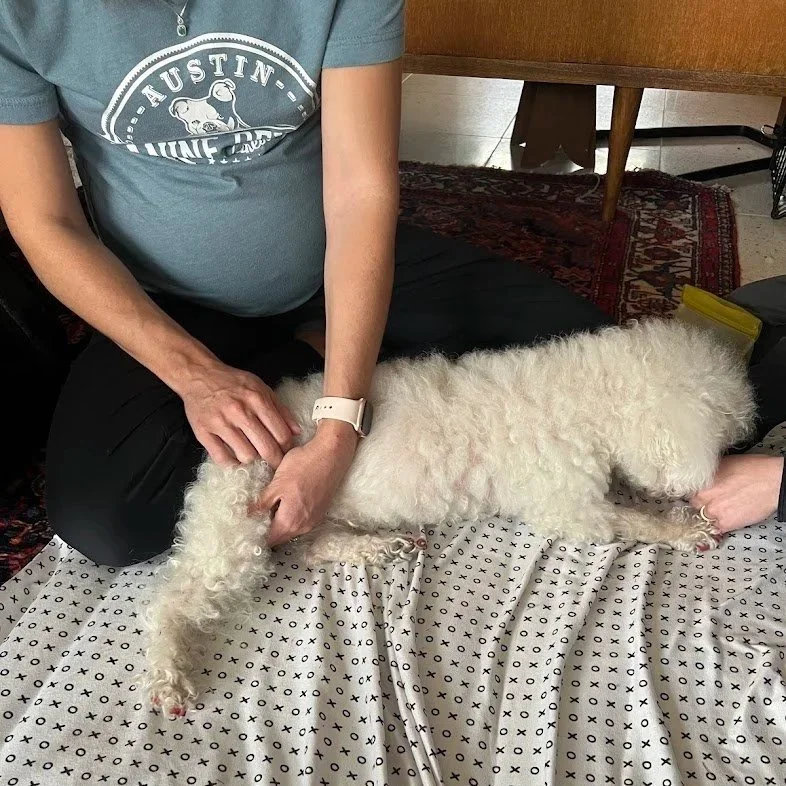
There are two general stages in dealing with septic arthritis. The first involves getting a diagnosis from your vet and having the condition treated through antibiotics, joint flushing, or surgery.
From there, you’ll need to shift your attention to the long-term future for your dog and how you can support a healthy and active lifestyle.
Why Rehab Matters After Septic Arthritis
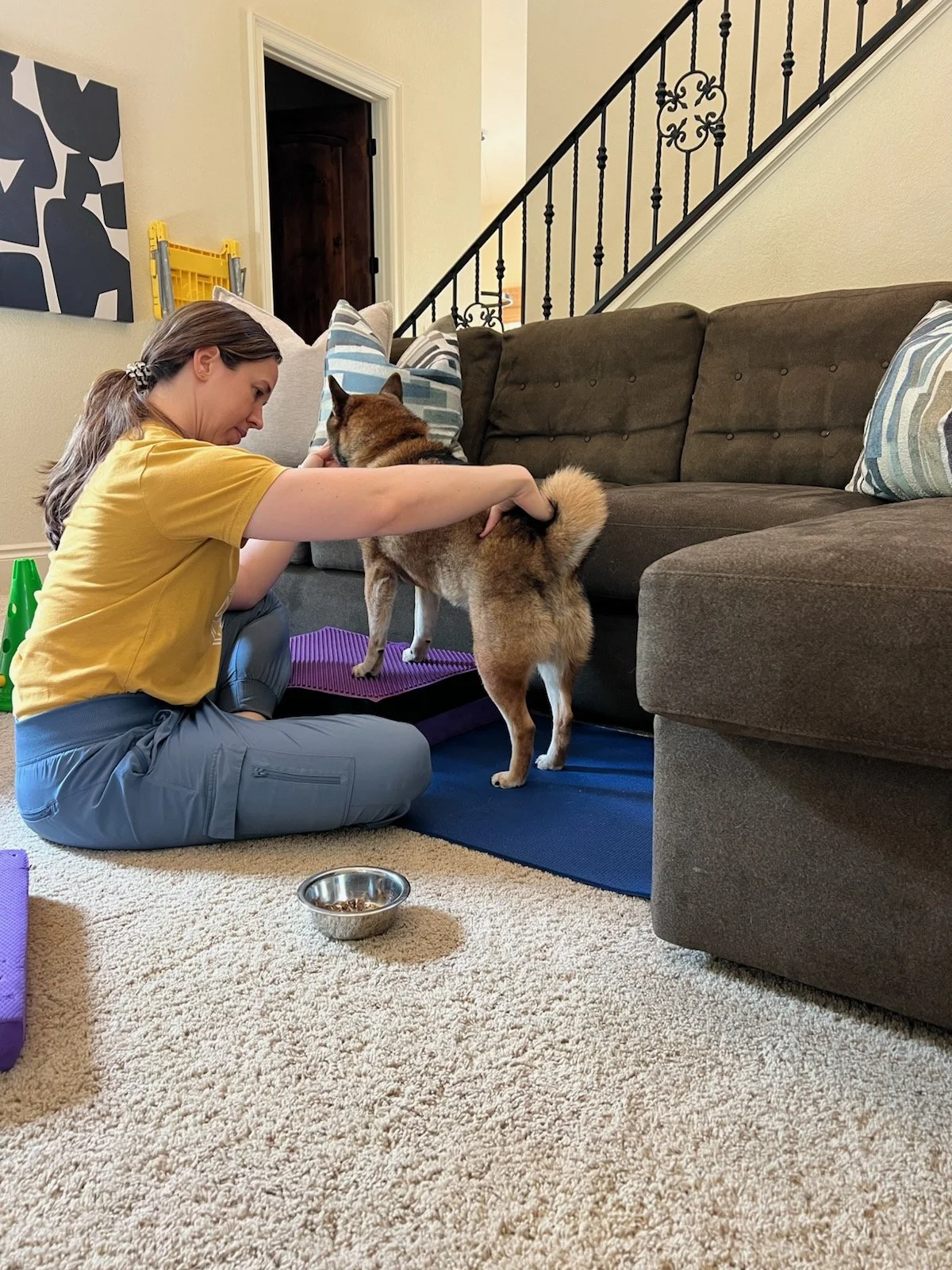
Many dogs lose muscle mass quickly while dealing with an infected joint. They are in pain and probably not moving much. That’s a good thing while trying to recover, but it means that rehab is necessary later on to regain normal function. By working with a qualified canine rehab provider like Austin Canine Rehab, your dog can preserve muscle, restore balance, and avoid injury along the way.
What to Expect from a Rehab Plan
The details of your rehab plan will vary depending on the needs of your dog. We make it a point to always customize our rehab programs to make sure the work we do is leading directly to the best possible results. Elements often included in a rehab plan include –
Range-of-motion exercises to improve joint flexibility
Controlled strengthening of the affected limb, along with supportive work for the other limbs
Balance exercise to restore your dog’s coordination and gait patterns
Gait retraining to help your dog move evenly again without favoring one side
Benefits of Rehabilitation
There are many benefits associated with a proper rehab program. In the aftermath of septic arthritis, many dogs are able to enjoy the following –
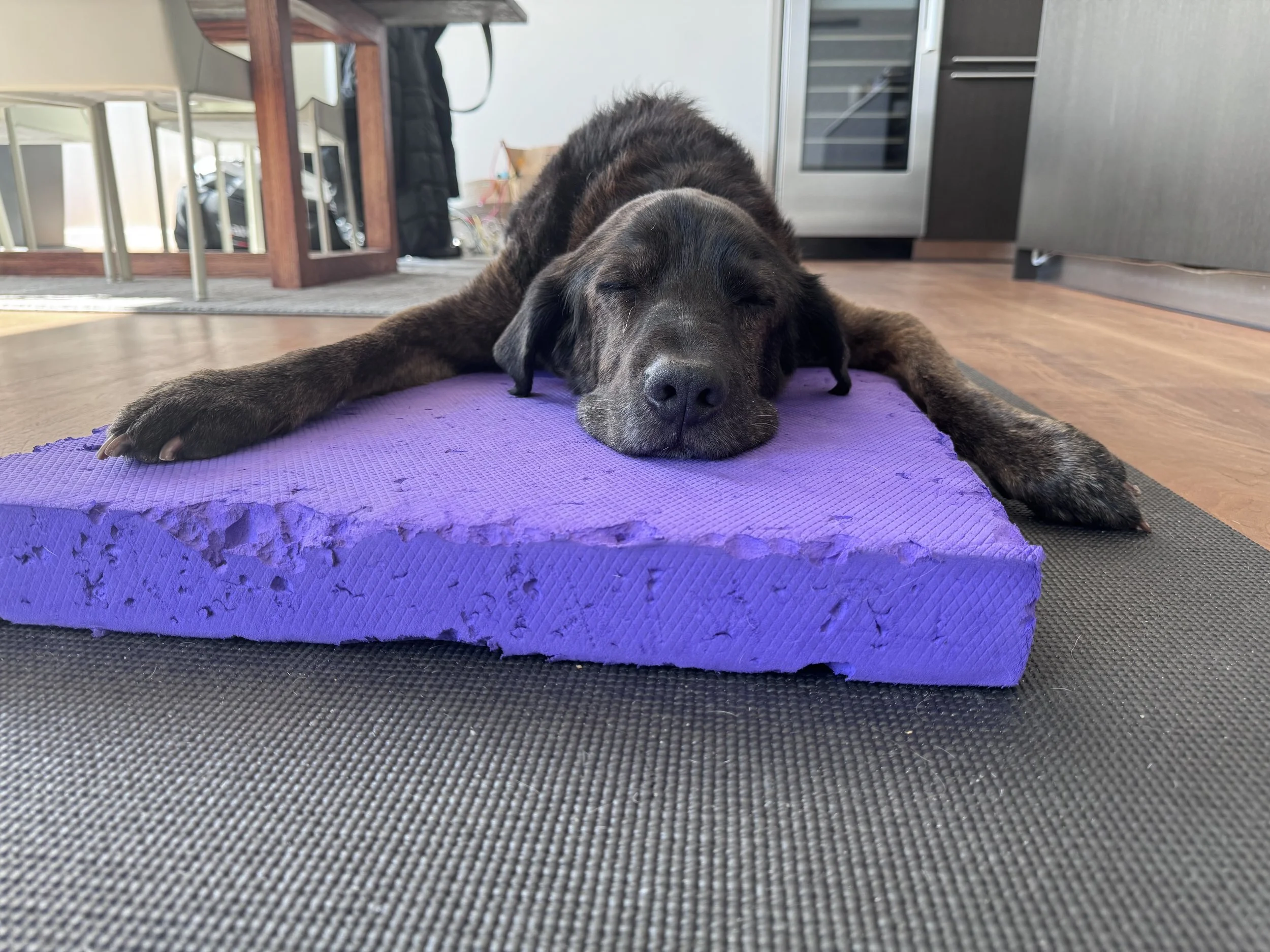
Improved mobility and comfort
Reduced stiffness and improved joint flexibility
Better weight distribution across limbs
Rebuilt muscle mass, helping to support the stability of the joints in the long run
Improved overall quality of life with less pain and more confidence
Recovery Timeline: What Pet Owners Should Expect
Realistically, recovery from septic arthritis is not going to be a quick process. The dog needs to fight the infection first and foremost, and then there will be time needed to heal. After starting antibiotics, most dogs will start to respond well within a few days. To reach a point that could be considered full recovery, it’s more likely going to take weeks or months, depending on the severity of the initial infection.
Early Intervention Matters
The speed with which septic arthritis can advance is scary. All types of arthritis can do damage eventually, but this form can do damage quickly. With that said, early diagnosis and proper treatment are critical to arrive at a positive outcome.
Your first step is to call your veterinarian to explain the situation and make an appointment. Once an exam has been completed and a treatment plan has been made, you can contact us to discuss the next steps in the long-term recovery journey. We have worked with many dogs facing arthritis challenges and would be happy to help your dog enjoy many happy and healthy years ahead.