What is Immune-Mediated Polyarthritis?
Immune-Mediated Polyarthritis, or IMPA, is a condition where a dog’s immune system attacks its own joints. The result is damage to the joints that can lead to pain and stiffness, although it plays out differently than with osteoarthritis. It’s also different than septic arthritis, which stems from an infection in the joint.
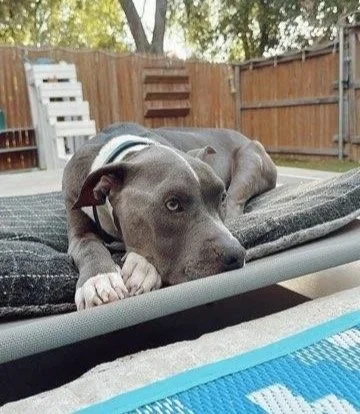
IMPA can be difficult for dog owners to understand, and it can be scary to know that your pet is facing such a condition. On this page, we’ll aim to calm your fears a bit by helping you wrap your head around this disease and what treatment options are available.
If you reach a point in this journey where you would like to work with a canine rehab partner to restore your dog’s health for the long run, be sure to call Austin Canine Rehab at your convenience.
Understanding Immune-Mediated Polyarthritis (IMPA) in Dogs
You don’t need to be an expert in canine arthritis to care for your dog properly, but it is helpful to understand the basics. Here’s a quick breakdown of what you need to know as it relates to IMPA.
What Happens Inside the Joint
IMPA is marked by the production of “immune complexes” that accumulate in joint spaces. When this happens, inflammatory cells are brought into the synovial fluid, and swelling is the result. That swelling, or inflammation, can irritate the joint and make it painful or difficult to move. If they aren’t treated, these episodes can accumulate over time and chronic joint problems will be the result.
Types of IMPA in Dogs
There are two general categories of IMPA. The most common type is non-erosive IMPA, which typically doesn’t have an obvious underlying cause. Fortunately, this type of IMPA usually responds nicely to immunosuppressive therapy, especially if it is started early.
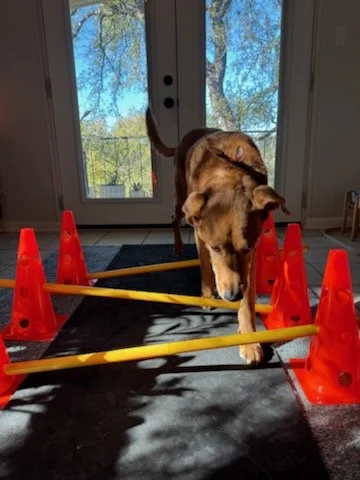
There is also erosive IMPA to consider in these cases, although that form is less common. With this version, the inflammation leads to destruction of cartilage in the joint, and bone can even be lost. Dogs with this condition are likely to experience joint damage and deformities over time.
What Causes Immune-Mediated Polyarthritis in Dogs?
It’s hard to pinpoint any specific cause for cases of IMPA. With that said, there are some known factors that seem to contribute to this condition, including the following –
Genetic predisposition among certain breeds
Immune reactions triggered by chronic inflammation in other body parts
Infections that alter immune function
Adverse reactions to certain medications
Since many cases of IMPA don’t have a clear cause, diagnosing the condition can be tricky. The process often involves ruling out many other things, including cancers, infections, and other triggers of pain and stiffness in the joints.
Symptoms of IMPA in Dogs
The primary symptom of IMPA is stiffness or limping. A dog with this condition will often shift back and forth from one leg to another. Their gait looks awkward and uncomfortable, and as a dog owner, you’ll easily be able to notice that something is wrong.
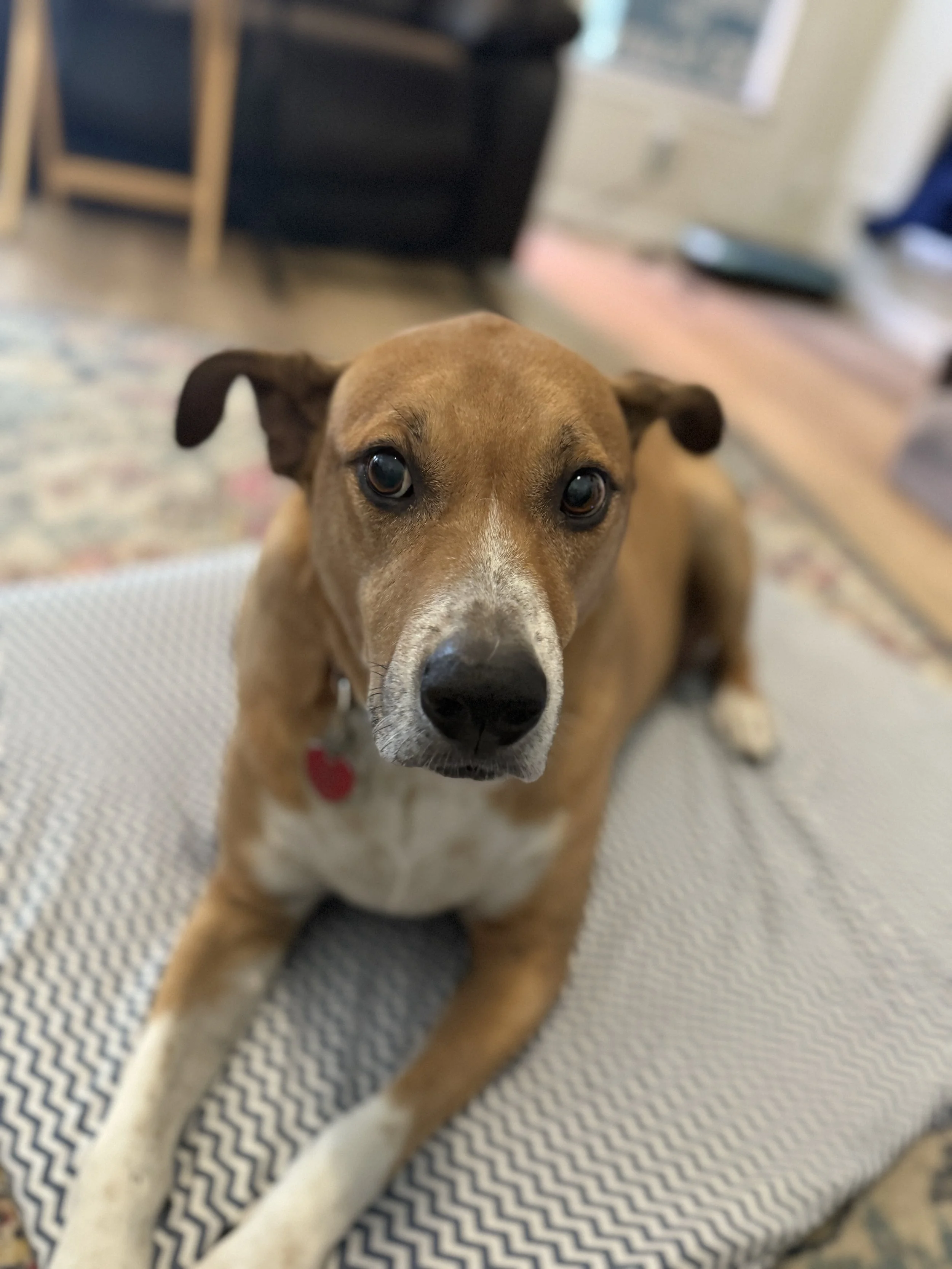
You may also find that your dog’s joints are swollen and even warm to the touch. Some dog owners report that their pet simply seems “off”, and they might have low energy or a reduced appetite.
How IMPA Is Diagnosed in Dogs
As mentioned above, diagnosing IMPA is often a matter of eliminating other possibilities first. (1) Once inflammation inside multiple joints is confirmed, and other causes of joint pain can be eliminated (like an injury or infection), your vet may land on IMPA as the appropriate diagnosis.
A thorough physical examination will likely be completed to evaluate the condition of the joints and see how much range of motion has been lost. Your vet may also order bloodwork, urinalysis, or infectious disease screening to better determine what the dog is facing.
Treatment Options for Immune-Mediated Polyarthritis
There are a few different ways that IMPA can be treated once a diagnosis has been issued. Let’s take a look at some of those options below.
Immunosuppressive Medications
This is the mainstay treatment that most dogs will receive after their diagnosis. Immunosuppressive medications like prednisone aim to suppress the immune response in the dog, and as a result, limit the damage that is done to the joints. (2) Using these medications can allow healing and recovery to occur. Some dogs will require long-term maintenance therapy while others will achieve remission and gradually work toward stopping the medication.
Pain Management & Anti-Inflammatories
It may also be necessary to use supportive care along with the immunosuppressive medications. (3) This could mean using anti-inflammatories, but only by following a vet’s directions. Your vet will carefully monitor the pain level that the dog seems to be experiencing and make adjustments, as necessary.
Addressing Underlying Causes
If it is determined that the dog is experiencing IMPA as a result of another condition, like a tick-borne disease, that primary cause must be addressed, as well. This is why the thorough physical examination we discussed earlier is so important. By figuring out exactly what the dog is dealing with, and why, the right treatments can be provided for lasting recovery that minimizes or eliminates relapses.
Lifestyle Adjustments During Treatment
Your dog might not be able to maintain his or her normal lifestyle while being treated for this condition. High-impact exercise should be limited or stopped in favor of short, slow walks. Also, make sure your dog is avoiding jumping and going over rough terrain as much as possible. You want to make life easy on your pet during this time to encourage rest and recovery. Hopefully, as the treatments progress, your dog’s health will improve and more vigorous activity can be explored.
The Role of Canine Rehabilitation in Supporting Dogs with IMPA
Canine rehabilitation can be extremely helpful for dogs with IMPA. This is not the starting point, however. First, you want to work with your vet to determine the treatments that are needed to confront this condition, then explore a rehab program to help your dog rebuild their physical capacity.
Why Rehabilitation Helps Dogs with Autoimmune Joint Disease
A carefully-structured rehab plan helps preserve muscle, restore function, and promote joint stability. When done under the watchful eye of a qualified professional like those at Austin Canine Rehab, this work can be done carefully to avoid overloading the healing joints. Many dogs with IMPA fall into a pattern of not moving, and they lose muscle mass as a result. You can avoid that outcome with a rehab therapist while keeping your dog safe throughout the process.
What a Rehab Plan May Include
Every rehab plan that we use at Austin Canine Rehab is customized to the needs of the pet. With that said, there are some elements seen over and over again, including the following –
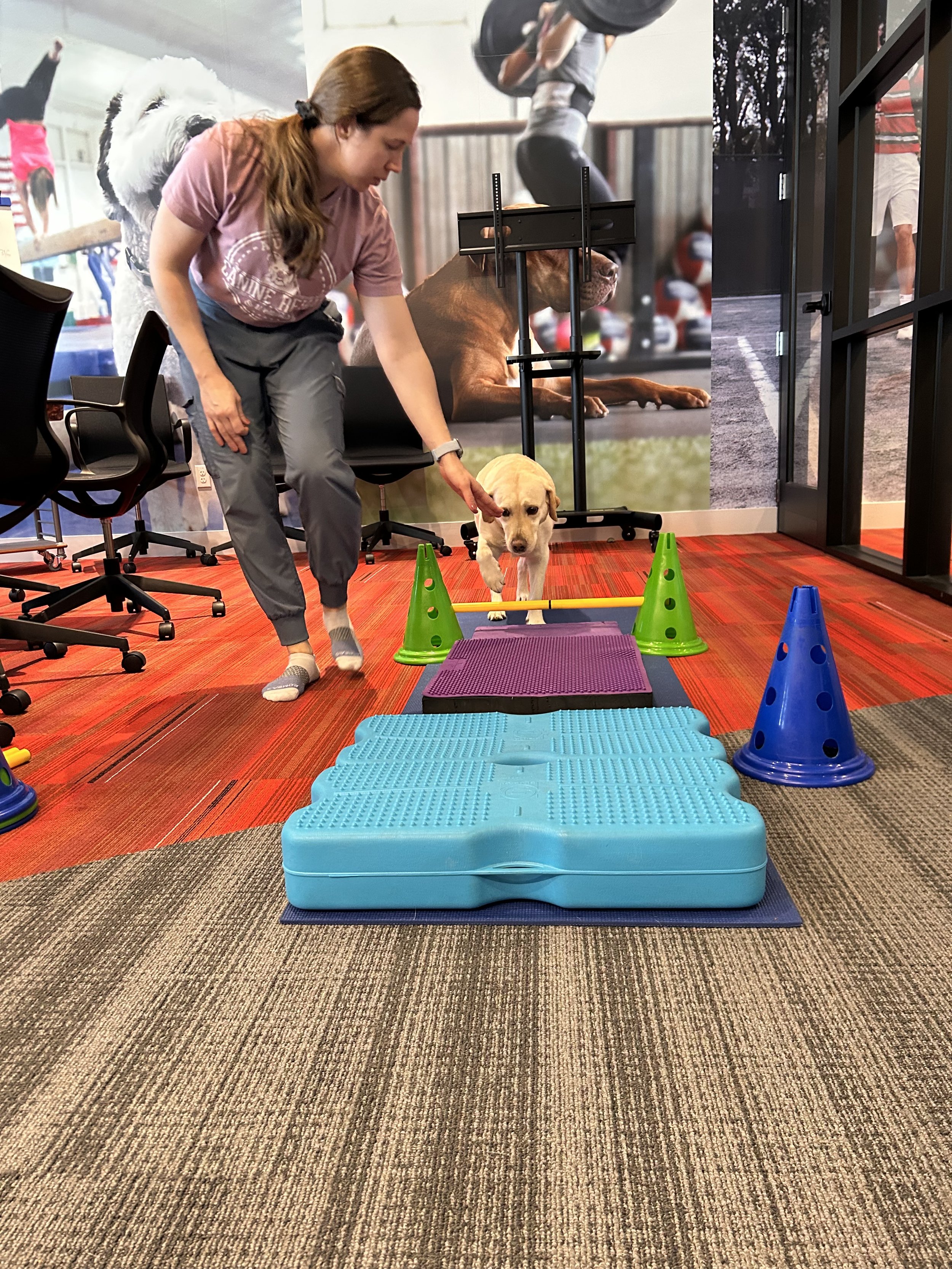
Gentle range-of-motion exercises
Low-impact strengthening exercises
Balance and proprioception work
Personalized home exercise program
Early Intervention Helps Dogs Stay Mobile
The symptoms of IMPA can come on swiftly. Where things will seem fine one day, soon after you may find that your dog is dealing with stiffness, limping, swollen joints, and more. Don’t wait when you notice these issues. Get help from your vet right away to limit the damage and start your dog on a path toward recovery.
At Austin Canine Rehab, we’d love to play a role in that recovery journey. We are able to design custom rehab plans for dogs with this condition, and we’ll work closely with you to make sure the specific challenges that your dog is facing are addressed. Drop us a line or give us a call now to learn more.